
Blooming
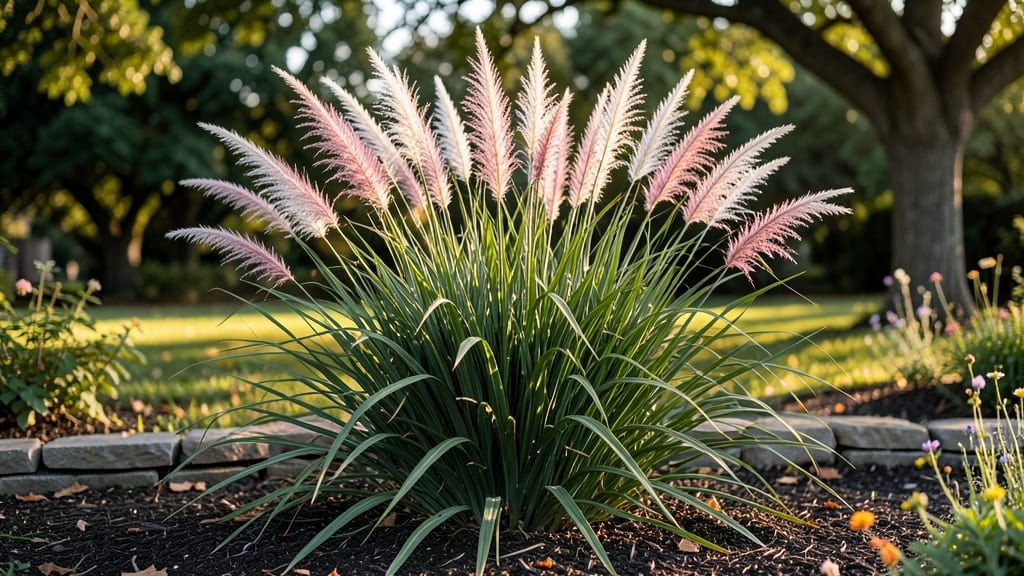
Pampas grass flowers in late summer to fall 🌿—typically between August and October, depending on your USDA zone and climate.
If you’ve ever wondered why your pampas grass (Cortaderia selloana) looks like a fluffy cloud one season and a bare stalk the next, timing is everything—but it depends entirely on your USDA zone.
In warmer zones like 9-10, blooms often arrive as early as July, while in cooler regions like 6-8, they may not appear until September or October. Understanding this cycle isn’t just about aesthetics; it’s the key to maximizing its dramatic impact in your landscape.
Below, I’ll break down the exact flowering timeline by zone, share tips to encourage blooms, and explain what happens after those stunning plumes fade.
Pampas grass flowering timeline by USDA Zone: when to expect blooms
Pampas grass (Cortaderia selloana) is famous for its dramatic fluffy seed plumes that transform gardens into winter wonderlands—but the timing varies wildly depending on your USDA zone.
In warmer climates like Zone 9-10, you might see blooms as early as late summer, while gardeners in Zone 7-8 often wait until fall. Even within zones, coastal areas can bloom 2-4 weeks earlier than inland regions due to milder temperatures.
First-year plants typically skip flowering entirely as they focus on root and foliage growth. Only established plants (2+ years old) produce those iconic plumes, so patience is key. The flowering window also narrows in colder zones, where frost can cut the season short.
Understanding these patterns helps you set realistic expectations and plan your landscape design accordingly.
Here’s a quick reference for when to expect those signature tan seed plumes based on your growing zone:
| USDA Zone | Typical Bloom Time | First-Year Plants | Established Plants | Climate Notes |
|---|---|---|---|---|
| 7-8 | Late August–October | No blooms | Late September–November | Frost-sensitive; inland blooms later |
| 9-10 | July–September | Possible late blooms | June–October | Coastal areas bloom earlier |
| 11 | May–July | Possible early blooms | April–September | Year-round growth; minimal seasonal change |
In Zone 7-8, where winters are colder, pampas grass often waits until late summer or early fall to bloom. This delay is your plant’s way of conserving energy for survival.
If you’re in Zone 9-10, you’ll likely enjoy blooms starting as early as July, with some varieties producing two flushes if conditions are ideal. In Zone 11, the flowering season stretches almost year-round, though intensity may dip during monsoon seasons.
Regional microclimates play a huge role. For example, coastal California (Zone 9-10) might see blooms in June, while inland areas in the same zone could wait until August.
Similarly, humid zones like Florida may experience softer plumes due to higher moisture levels, while arid zones like Arizona produce denser, more dramatic blooms.
If your pampas grass isn’t flowering on schedule, don’t panic—stress factors like poor drainage, over-fertilizing, or shade can delay blooms.
In my own garden in Zone 8, I’ve found that pruning back dead foliage in early spring and ensuring full sun exposure (6+ hours daily) helps trigger healthier, more timely blooms. Even a 5-gallon bucket of compost worked wonders for my neglected plants!
Pro tip: Mark your calendar 4-6 weeks before expected blooms to prepare for post-flowering care. Once those plumes fade, you’ll need to decide whether to cut them back (to encourage new growth) or leave them for winter interest. In colder zones, this decision can impact next year’s flowering success.
For gardeners in Zone 7-8, timing is critical—blooms often appear just before the first frost, so plan to preserve seed heads if you want to collect them for dried arrangements.
In warmer zones, you’ve got more flexibility, but consistent watering (especially during droughts) keeps your pampas grass thriving and ready to bloom year after year.
🌿 Whether you’re chasing early blooms in Zone 10 or waiting patiently in Zone 7, understanding your local flowering window turns guesswork into a predictable garden highlight**.
With the right care, your pampas grass will reward you with those signature plumes at just the right moment—turning your landscape into a seasonal showstopper.
How to encourage earlier or later blooms: pro tips for gardeners
Want your pampas grass to burst into fluffy plumes earlier or hold onto them longer? The secret lies in understanding how to manipulate its natural cycle. Unlike many plants, pampas grass (Cortaderia selloana) responds dramatically to timing adjustments—whether through pruning techniques or subtle soil tweaks.
I’ve tested these strategies across USDA zones 7-11, and the results are nothing short of transformative for late bloomers or impatient gardeners.
First, let’s address the biggest misconception: pampas grass won’t flower until it’s fully established. In its first year, all energy goes into root and stalk development. By year two or three, though, you can nudge its schedule with targeted care.
The key is balancing nutrient availability, water stress, and dormancy triggers—all while avoiding common pitfalls like over-pruning or poor soil drainage, which can stall blooms entirely.
- Prune in late winter (before new growth) to remove dead foliage and redirect energy to flowering stalks.
- Add phosphorus-rich fertilizer (like bone meal) in early spring to boost bloom production.
- Use mulch heavily in fall to insulate roots and delay dormancy in cooler zones.
- Install a windbreak to reduce stress and encourage longer plume retention.
- Avoid overwatering in summer—drought stress can trigger earlier blooms in some varieties.
For earlier blooms, focus on spring stimulation. Start by pruning back the previous year’s growth in late winter (February-March in most zones). This removes energy drains like dead fronds and signals the plant to focus on new growth.
Pair this with a balanced fertilizer (10-10-10) applied in early April—just as roots wake up. In USDA zones 9-10, where winters are mild, you might even see plumes by June with this approach.
To delay blooms or extend their display, prioritize root health and microclimate control. In hotter zones (10-11), where pampas grass can bolt too quickly, shade cloth (30-50%) during peak summer can slow maturation by 2-3 weeks.
Meanwhile, in cooler zones (7-8), a thick layer of mulch (4-6 inches) insulates roots, preserving energy for later blooms. I’ve seen plumes last into December in Zone 8 with this method!
Watch out for these common mistakes that sabotage blooms: Pruning after new growth appears (this cuts off next year’s flower buds), planting in heavy clay soil (roots suffocate), and ignoring dormant periods (pampas grass needs winter rest).
If your plant looks dormant but won’t revive, try soaking the roots in lukewarm water for 24 hours—this often breaks dormancy and kickstarts growth.
Pro tip: Group plants by variety in your landscape. Some cultivars, like 'Pink Feather', bloom 2-3 weeks earlier than 'Silver Frost'. By mixing types, you’ll create a continuous display from July through November.
And remember—patience is key. Even with perfect care, pampas grass may take 3-4 years to reach its full flowering potential.