
Flowers
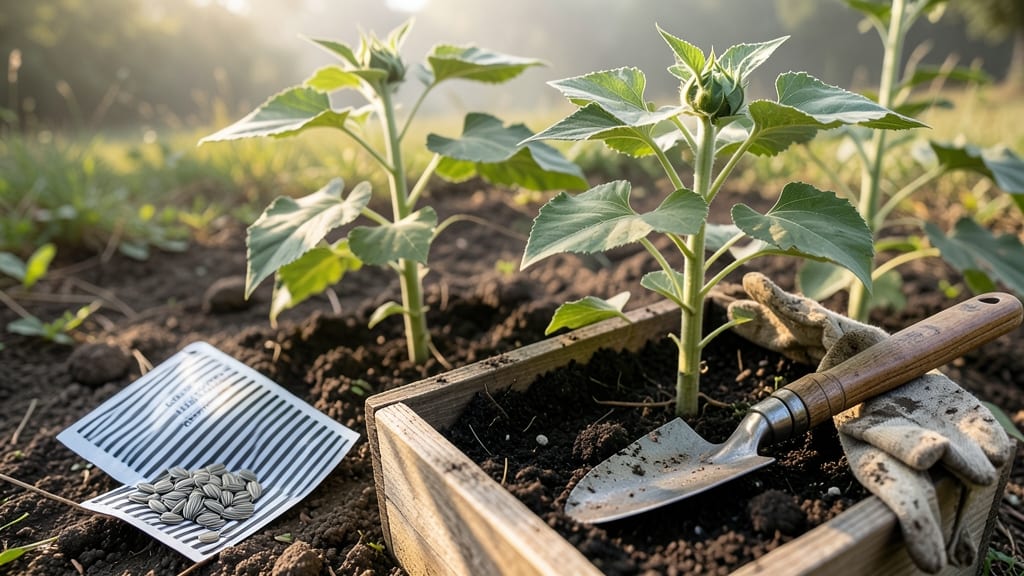
The best time to plant sunflowers in Florida is between March and May or August to September—timing that avoids frost in the north and scorching heat in the south. 🌻
Sunflowers thrive in Florida’s warm climate—but planting them at the wrong time can leave you with wilted blooms or stunted growth. Discover the exact months to plant sunflowers in Florida while avoiding frost damage and scorching heat stress.
North Florida’s 8a-11 zones mean waiting until after the last frost (usually mid-March), while South Florida’s frost-free winters allow year-round planting with peak blooms in spring and fall.
Below, I’ll break down the ideal planting windows by region, soil prep tips, and how to choose sunflower varieties that handle Florida’s heat—so you get tall, vibrant blooms all season long.
Florida sunflower planting calendar: exact months by region (north vs. Central vs. south)
Florida’s diverse climate zones create three distinct planting windows for sunflowers. In the Panhandle (North Florida), you’ll need to time your planting to avoid late-winter frosts, while South Florida gardeners enjoy nearly year-round growing conditions.
Even within these zones, soil temperature and heat tolerance play critical roles in germination success. Let’s break down the exact months to plant for each region, including frost-free dates and ideal soil temps.
For North Florida (USDA Zones 8a-9a), the last average frost date typically falls between January 15 and February 15, depending on the exact location. This means your primary planting window opens in early March and closes by mid-May to ensure blooms before summer heat peaks.
In Central Florida (Zones 9a-9b), you’ve got a slightly longer window—planting from late February through June—while South Florida (Zones 10a-11) allows for year-round planting with peak performance in spring (March-May) and fall (August-September).
Here’s the key difference: North Florida sunflowers must race against time to mature before summer’s intense heat (above 90°F), while South Florida varieties can handle consistent humidity and tropical heat without stress.
The optimal soil temperature for germination across all regions is 50-60°F (10-15°C), but Central and South Florida often see these temps as early as February, while North Florida may wait until March or April.
| Region | Primary Planting Window | Last Frost Date | Soil Temp for Germination | Heat Tolerance Threshold | Notes |
|---|---|---|---|---|---|
| North Florida (Panhandle) | March 1 - May 15 | Jan 15 - Feb 15 | 50-60°F (10-15°C) | Up to 90°F (32°C) | Plant dwarf varieties for heat tolerance; avoid late summer planting. |
| Central Florida | Feb 15 - June 15 | Dec 15 - Jan 15 | 55-65°F (13-18°C) | Up to 95°F (35°C) | Ideal for second crop in late summer; use mulch for moisture. |
| South Florida | Year-round (peak: Mar-May, Aug-Sep) | Rare (Dec 25 - Jan 5) | 60-70°F (15-21°C) | Up to 100°F (38°C) | Choose heat-tolerant varieties like 'Moulin Rouge' for summer blooms. |
If you’re in North Florida, focus on early March planting to ensure your sunflowers reach maturity before July’s scorching heat. For Central Florida, you can push planting into June, but be prepared to provide extra shade for seedlings if temperatures exceed 95°F (35°C).
In South Florida, where frost is rare, you can plant year-round, but spring and fall yield the most vibrant blooms due to moderate humidity levels.
Pro tip: Use a soil thermometer to check temps before planting—below 50°F (10°C) slows germination, while above 85°F (29°C) can stress seedlings. In North Florida, aim for March 15 as your sweet spot, while Central Florida gardeners can start as early as February 20 in protected beds.
For South Florida, August 1 marks the start of your fall planting window, perfect for avoiding summer’s peak humidity.
Don’t forget about second crops! In Central and South Florida, you can plant a late-summer crop (August-September) for fall blooms. This works because day lengths shorten in late summer, triggering faster maturation.
Just ensure your soil stays moist during this transition period, as drought stress can stunt growth. For North Florida, a second crop isn’t recommended due to limited time before frost.
Regional microclimates also matter. Coastal areas in South Florida stay warmer longer than inland zones, while North Florida’s Panhandle can experience colder pockets near
How to time sunflower planting for maximum blooms: avoiding frost and heat stress
Florida’s long growing season makes sunflowers a fantastic choice, but timing is everything. Plant too early, and seedlings face frost damage in North Florida. Plant too late, and your blooms may wilt under summer’s scorching heat.
The key is understanding your local microclimate and choosing the right variety for your area.
In most of Florida, the optimal planting window spans from mid-March to early May for spring blooms and mid-August to early September for fall harvests. South Florida gardeners enjoy year-round planting, but even there, extreme heat can stress young plants.
Let’s break down how to adjust your schedule for maximum blooms.
North Florida (Zones 8a-9a) faces last frost dates as late as January 15, while Central Florida (Zone 9b) typically sees frost by December 15. South Florida (Zones 10a-11) rarely experiences frost. Wait until soil temperatures reach 50°F (10°C)—use a soil thermometer—before planting to ensure germination.
Pro Tip: If planting in late summer for fall blooms, choose heat-tolerant varieties like ‘Autumn Beauty’ and provide afternoon shade for seedlings.
For a second crop, Florida gardeners can experiment with late summer plantings (August-September). This works best in Central and South Florida where frost isn’t a concern. However, be prepared for heat stress—young sunflowers struggle when daytime temperatures exceed 90°F (32°C).
Use lightweight row covers or plant in partial shade until seedlings establish roots.
Mulching is your best defense against Florida’s extreme weather swings. Apply 2-3 inches of organic mulch (straw or wood chips) around plants to retain moisture during dry spells and protect roots from heat.
In North Florida, add a lightweight frost blanket if an unexpected cold snap occurs after planting. This simple step can save your seedlings from chilling injury.
Not all sunflower varieties thrive equally in Florida’s heat. Dwarf varieties like ‘Teddy Bear’ (1-3 feet tall) handle humidity better than giant types like ‘Russian Giant’ (10+ feet).
For maximum blooms, opt for mid-height varieties (3-6 feet) such as ‘Moulin Rouge’ or ‘Autumn Beauty’—they balance heat tolerance with vibrant color.
Remember, sunflowers are fast growers—some varieties reach maturity in just 60 days. Plan your planting schedule so blooms appear when daytime highs are 80-85°F (27-29°C), the ideal temperature range for pollination.
With the right timing and care, your Florida garden can enjoy sunflowers blooming from spring to fall!