
Plants
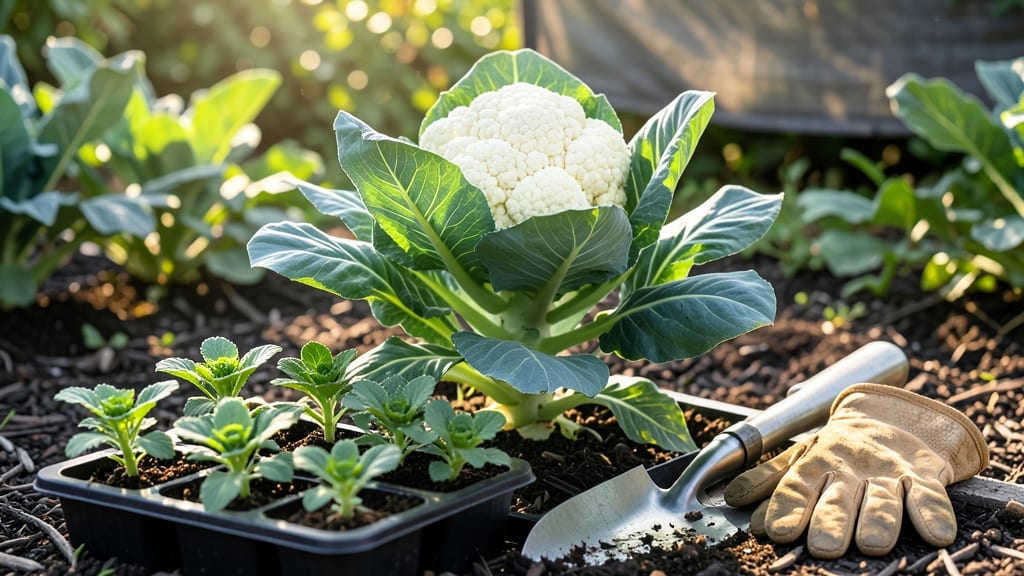
Planting cauliflower in Florida requires precise timing to beat the heat and humidity—aim for September through October for fall harvests or January to February for spring crops.
Florida’s warm climate can trick even experienced gardeners into planting cauliflower at the wrong time—but timing is everything for this cool-season crop. Plant too early or too late, and you’ll end up with bitter heads or no harvest at all.
Unlike northern states, Florida gardeners don’t have to worry about frost, but the 9a-11 zones still demand careful planning. The key is starting seeds indoors 6-8 weeks before transplanting to ensure they mature before the summer heat sets in.
Below, I’ll break down the exact months for your region, soil prep tips to prevent bolting, and how to stretch your growing season with shade and succession planting for year-round harvests.
Best months to plant cauliflower in Florida’s climate zones
Florida’s climate presents unique challenges for growing cauliflower, a cool-season crop that thrives in temperatures between 50°F and 75°F.
Unlike northern states, Florida’s frost-free zones and year-round warmth mean you can grow cauliflower in both fall and spring, but timing is critical to avoid bolting or poor yields.
The key is planting when daytime highs stay below 80°F and nights dip into the 50s—conditions that vary dramatically across Florida’s North, Central, and South regions.
In North Florida (Zones 8a-9a), where rare frosts can occur around December 15, your planting window is slightly more flexible. Meanwhile, Central Florida (Zone 9b) and South Florida (Zones 10a-11) face year-round heat, so summer planting is a no-go unless you use shade cloth.
Below, I’ll break down the exact months for each zone, including how to handle Florida’s humidity and heat stress to ensure your cauliflower thrives.
| Climate Zone | Ideal Planting Months | Temperature Thresholds | Key Considerations |
|---|---|---|---|
| North Florida (Zones 8a-9a) | September 15–October 15 (fall) & January 15–February 15 (spring) | Daytime: 60–75°F | Nighttime: 50–60°F | Watch for rare frost after December 15; use row covers if needed. |
| Central Florida (Zone 9b) | August 20–September 30 (fall) & January 1–February 10 (spring) | Daytime: 65–78°F | Nighttime: 55–65°F | Avoid summer planting; use shade cloth (30–50%) for fall starts. |
| South Florida (Zones 10a-11) | September 1–October 15 (fall only; spring risky) | Daytime: 70–80°F | Nighttime: 60–70°F | Spring planting often fails due to heat; prioritize fall with heavy mulch. |
| All Zones (Succession) | Every 3–4 weeks (fall) or 2–3 weeks (spring) | Soil temp: 60–70°F | Stagger plantings for continuous harvest; avoid overcrowding. |
For North Florida, the fall planting window (September–October) is your best bet, as daytime temperatures stay ideal while nights cool down. If you’re in Zone 8a, plant by October 15 to avoid the rare frost risk in December.
In Central Florida, you can push planting slightly earlier (late August), but be prepared to provide afternoon shade with shade cloth to prevent bolting. South Florida gardeners should focus solely on fall planting—spring attempts often result in bitter, small heads due to creeping heat.
One of my biggest mistakes early on was planting cauliflower in June or July in South Florida, thinking the heat would break. Spoiler: it didn’t. The plants bolted within weeks, sending up flower stalks instead of heads.
Instead, I now use heat-tolerant varieties like ‘Snowball Y Improved’ or ‘Purple of Sicily’ and plant only in September, with 50% shade cloth for the first 4 weeks to ease them into cooler weather. This small adjustment made all the difference in my harvest size!
If you’re growing in containers or raised beds, you have a slight advantage: you can move them to shadier spots during heatwaves or cover them with row fabric if temperatures spike above 85°F.
For in-ground plantings, focus on well-draining soil amended with compost and aged manure to retain moisture without overheating. In my experience, North Florida soils benefit from a thick mulch layer (3–4 inches) to moderate temperature swings between day and night.
For spring planting, aim for January–February across all zones, but be ready to harvest by April before the heat sets in. In South Florida, spring cauliflower is a gamble—only attempt it if you’re using drip irrigation and shade cloth.
I’ve had success with ‘Graffiti’ cauliflower, which tolerates slightly warmer conditions than white varieties, but even this needs morning sun and afternoon shade to perform well.
Pro tip: Use a soil thermometer to monitor temperatures before planting. Cauliflower roots thrive in soil between 60°F and 70°F. If your soil is warmer than this, wait a few weeks or use black plastic mulch to cool it down.
I once planted in 80°F soil in Central Florida and lost half my seedlings to root rot—don’t make that mistake!
Finally, don’t overlook succession planting. In Florida’s short cool seasons, planting every 3–4 weeks ensures a steady supply of fresh cauliflower. For example, if you plant September 1, September 22, and October 15 in North Florida, you’ll have harvests spanning December through March. This strategy works in
How to extend cauliflower’s growing season in Florida heat
Florida’s summer heat can turn your cauliflower plants into bitter, bolted messes if you don’t act fast. The key to success? Strategic shade and cool-season extensions that trick your plants into thinking they’re in a milder climate.
With the right techniques, you can grow cauliflower even in South Florida’s 90°F+ days and still enjoy a harvest.
Start by choosing the right varieties—heat-tolerant types like ‘Snowball Y Improved’ or ‘Purple of Sicily’ handle Florida’s humidity better than standard varieties. These heat-resistant cauliflower types won’t bolt as quickly when temperatures dip into the 80s°F during the day.
Pair them with shade cloth (30-50% coverage) to lower soil and air temperatures by 10-15°F, which is often enough to keep plants happy.
🌱 Pro Tip for Florida Gardeners
Plant cauliflower in September-October for a fall-winter harvest, but if you want a spring crop, start seeds indoors in January and transplant after March 1 when soil temps drop below 80°F. Use black plastic mulch to warm soil in spring or straw mulch to cool it in summer.
For soil temperature management, aim to keep roots between 60-70°F. In Florida’s heat, this means avoiding direct sun exposure and watering deeply in the early morning to prevent soil from overheating.
A 5-gallon bucket of water applied to the base of each plant can drop soil temps by 5°F within hours—critical for preventing bolting (when plants flower prematurely).
Succession planting is your best friend in Florida. Instead of planting all your cauliflower seeds at once, stagger them every 2-3 weeks from September through November. This ensures a steady supply of young plants that can handle Florida’s cooling trends without bolting.
For example, plant one batch in early September, another in mid-September, and a final batch in October—this spreads out your harvest window from December through March.
Don’t forget about container growing if your yard gets too hot. Raised beds or large pots (at least 12 inches deep) let you control soil conditions better.
Fill containers with a mix of peat moss, compost, and perlite to improve drainage, and move them to a shadier spot during the hottest afternoons. This method works surprisingly well even in South Florida’s Zone 11, where traditional in-ground planting often fails.
Finally, monitor your plants for heat stress signs like yellowing leaves or small, loose heads. If you see these, immediately provide afternoon shade and increase watering frequency. With these heat-beating strategies, you’ll enjoy homegrown cauliflower even when your neighbors are sweating through summer. 🌿