
Flowers
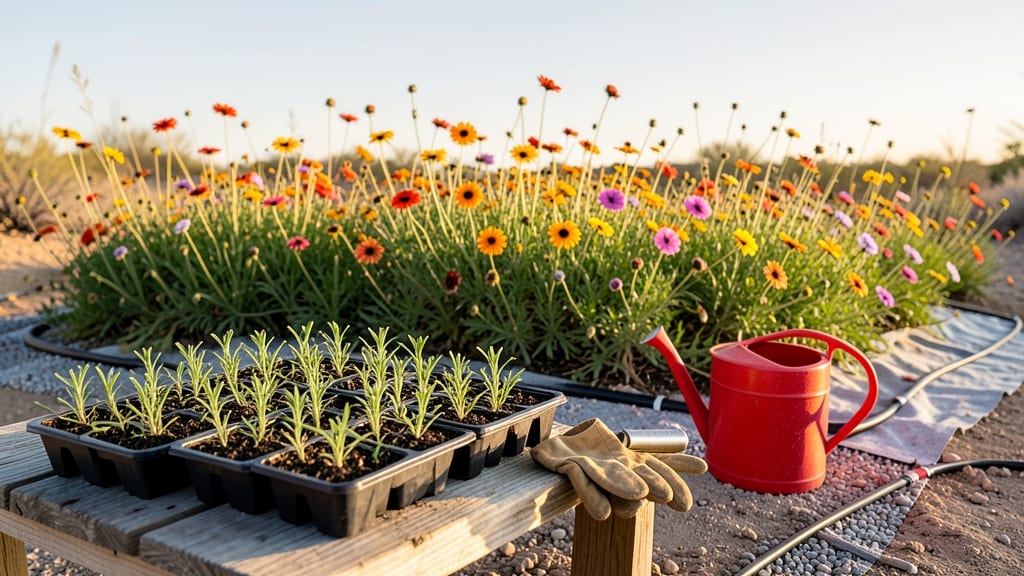
Planting flowers in Arizona at the right time means the difference between a thriving desert garden and a sad investment in wilting petals.
Here’s the catch: Arizona’s climate is brutal for new plants, with 120-degree summers that fry seedlings and unpredictable winter frosts that can sneak in even in Zone 9b. But timing it right—fall for most annuals, winter for cool-season bloomers—lets you beat the heat and enjoy year-round color.
Whether you’re in Phoenix’s Low Desert or Flagstaff’s High Desert, the key is working with the seasons, not against them. I’ll walk you through the best months to plant by region, plus heat-proofing tips to keep your flowers blooming even when the thermometer climbs.
From drought-resistant desert marigolds to winter-blooming pansies, you’ll learn exactly when to get your flowers in the ground—and how to give them the care they need to thrive in Arizona’s extreme conditions.
Best flower planting schedule by Arizona climate zones
Arizona’s diverse climate zones create unique opportunities for gardeners. The Low Desert (Phoenix/Scottsdale) thrives with fall planting, while High Desert (Flagstaff) benefits from early spring starts.
Each region demands different timing to avoid heat stress or frost damage. Understanding these windows ensures your flowers establish strong roots before extreme temperatures hit.
In the Sonoran Desert, where summer temps can exceed 110°F, planting during September-October lets flowers like desert marigolds and blanket flowers establish before winter rains.
Meanwhile, High Desert gardeners should wait until mid-April to avoid late frosts that can kill tender seedlings. These schedules align with Arizona’s USDA Zones 7b-10a.
Key difference: Low Desert flowers bloom year-round, while High Desert gardens focus on spring and fall color. The table below breaks down exact planting windows for each zone, including cool-season vs. warm-season flowers. Use this as your guide to avoid common mistakes like planting heat-sensitive annuals too early.
🌱
| Zone | Best Planting Window | Season Type | Example Flowers | Key Consideration |
|---|---|---|---|---|
| Low Desert (Phoenix) | September 15 - November 15 | Cool-season | Pansies, Snapdragons, Sweet Alyssum | Avoid summer heat; use shade cloth |
| Low Desert (Tucson) | March 1 - April 15 | Warm-season | Zinnias, Desert Marigold, Lantana | Soil temps must be 65°F+ |
| High Desert (Flagstaff) | April 15 - May 15 | Cool-season | Petunias, Calendula, Native Wildflowers | Wait for last frost (typically May 1) |
| High Desert (Prescott) | August 1 - September 15 | Warm-season | Cosmos, Sunflowers, Blanket Flower | Establish before fall rains |
| Sonoran (Saguaro National Park) | October 1 - November 30 | Cool-season | Purple Coneflower, Gaillardia, Penstemon | Use well-draining soil to prevent rot |
For Low Desert gardeners, September is prime time for cool-season annuals like pansies and snapdragons. These flowers thrive in 50-70°F temperatures and bloom until March. I always plant mine 6-8 weeks before first frost—typically by November 1—to ensure they establish before winter chill sets in.
Use mulch to protect roots from freeze-thaw cycles.
In contrast, High Desert regions like Flagstaff should focus on late spring planting (after May 1) for heat-tolerant perennials such as blanket flowers or Russian sage.
These plants handle 100°F+ days once established but need 6-8 weeks of cool weather to germinate properly. I recommend starting seeds indoors in March for a head start.
Native Sonoran Desert wildflowers like desert marigold and prickly poppy have adapted to Arizona’s extremes. Plant these September-October to take advantage of fall rains, which trigger germination. These flowers naturally dormant in summer and rebound with spring rains, creating a self-sustaining garden with minimal water.
One critical tip for all Arizona zones: amend soil with compost before planting. Our native soils are often alkaline and rocky, which can stress seedlings. Mix in 2-3 inches of compost and perlite to improve drainage.
For container gardens, use a cactus/succulent mix with 50% perlite to prevent root rot during monsoon season.
🌿
If you’re planting bul
Top heat-resistant flowers for Arizona’s harsh seasons
Arizona’s desert climate demands flowers that thrive under intense sun and minimal water. The key is choosing native or adapted species that flourish in USDA Zones 9b-11. These varieties not only survive but bloom prolifically with the right care, turning your garden into a vibrant oasis.
Let’s explore the top 5 heat-resistant flowers that will keep your landscape colorful year-round.
When selecting flowers for Arizona, prioritize drought tolerance and low-maintenance varieties. Many traditional garden flowers wilt under 110°F+ temperatures, but these desert natives and hybrids are bred to thrive in extreme heat.
Each option offers unique color, texture, and bloom duration, ensuring your garden stays dynamic from spring through fall.
🌵 Desert Marigold (Baileya multiradiata)
- Extreme drought tolerance
- Bright yellow blooms year-round
- Pollinator magnet (bees, butterflies)
- Slow growth initially
- Limited color options (mostly yellow)
The blanket flower (Gaillardia) is another standout performer in Arizona gardens. Its red-and-yellow daisy-like blooms last from spring through fall, making it perfect for border plantings or wildflower meadows.
This perennial thrives in poor, rocky soil and requires almost no maintenance once established. Plant in late summer (August-September) for fall blooms or early spring (February-March) for summer color.
For bold, tropical vibes, bougainvillea is a must-have. This semi-evergreen vine produces vibrant pink, purple, or orange bracts that last all year in Low Desert regions. While it needs more water than native flowers, its drought tolerance once established makes it worth the effort.
Plant in spring (March-April) after the last frost risk, and provide trellis or fence support for climbing.
Desert penstemon (Penstemon spp.) offers elegant tubular flowers in shades of blue, pink, or white. Native to Arizona, it requires almost no water once rooted and attracts hummingbirds relentlessly. Plant in fall (October-November) for spring blooms or early spring (February) for summer color. Its vertical growth habit makes it ideal for rock gardens or border edges.
Finally, zinnia (Zinnia elegans) varieties like 'Benary’s Giant' or 'Profusion' thrive in Arizona’s heat when planted in fall (September-October). These annuals produce large, showy blooms in every color and last until frost.
Water deeply 2-3 times per week until established, then reduce to once weekly. Deadhead spent blooms to encourage continuous flowering.
With these heat-resistant flowers, your Arizona garden will stay lush and colorful even during the hottest months. Combine them with mulch and drip irrigation for maximum efficiency, and enjoy a low-maintenance, high-impact landscape. 🌻