
Flowers
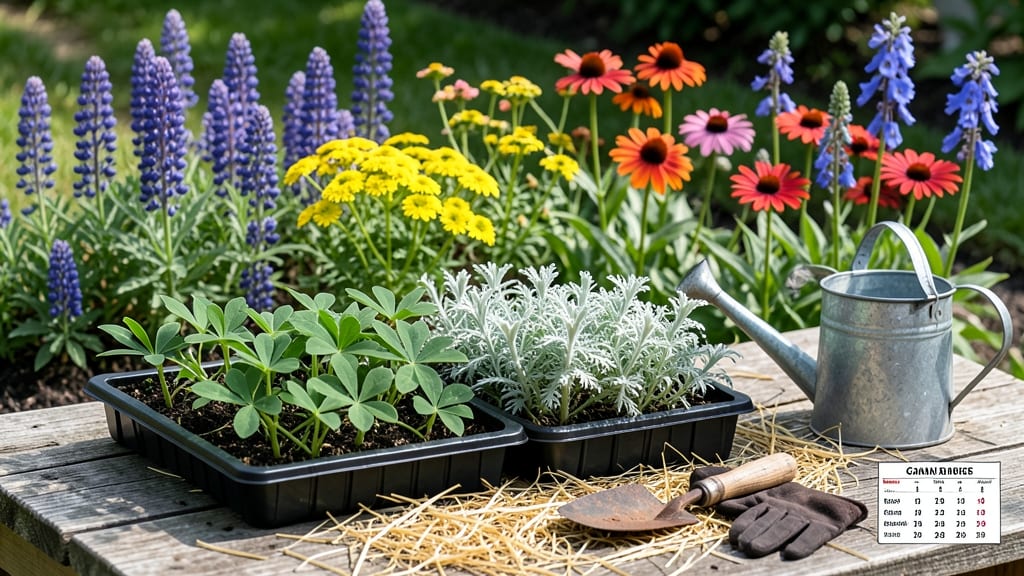
To plant flowers in Boise, Idaho, aim for March through May for spring blooms and September to October for fall varieties—timing that avoids the average last frost on May 15 and first frost on October 15.
Boise’s unpredictable frost dates and short growing season mean timing your flower planting perfectly can mean the difference between a vibrant garden and a sad, wilted disappointment.
In Zone 6b, where summers can be dry and winters harsh, the right planting window ensures your 🌸 flowers thrive. Whether you’re sowing annuals, perennials, or bulbs, getting the timing right maximizes blooms and minimizes stress on your plants.
Below, I’ll break down the exact frost-free deadlines by flower type, plus tips for adjusting schedules based on Boise’s microclimates—so you can enjoy a garden bursting with color all season long.
Boise Idaho frost dates and last safe planting deadlines by flower type
Boise’s USDA Zone 6b-7a climate means your planting schedule hinges on avoiding late spring frosts (average last frost: May 15) and preparing for early fall frosts (average first frost: October 15).
These dates create a 165-day frost-free window, so timing is everything for vibrant blooms. Annuals, perennials, and bulbs each have unique windows to maximize your garden’s potential.
For annual flowers, the last safe planting deadline is typically June 1, but cold-hardy varieties like pansies can handle late-May plantings. Perennials should be planted in early spring (March-April) or early fall (September) to establish roots before winter. Bulbs like tulips and daffodils need fall planting (September-October) to bloom the following spring.
Here’s your Boise-specific planting timeline broken down by flower type, including soil temperature and frost risk considerations:
| Flower Type | Planting Window | Soil Temp Requirement | Frost Risk | Boise Notes |
|---|---|---|---|---|
| Cold-Hardy Annuals (Pansies, Snapdragons, Sweet Peas) | March 15 - May 1 | 40°F+ | Low (after May 15) | Start seeds indoors in Feb; transplant after last frost. |
| Tender Annuals (Marigolds, Petunias, Geraniums) | May 15 - June 1 | 55°F+ | High (before May 15) | Wait until soil warms; use row covers for early starts. |
| Perennials (Coneflowers, Lavender, Black-Eyed Susans) | March 15 - April 30 OR September 1-15 | 45°F+ | Low (spring) / Moderate (fall) | Fall planting gives roots time to establish before winter. |
| Spring-Blooming Bulbs (Tulips, Daffodils, Hyacinths) | September 15 - October 15 | 50°F+ | None (winter dormancy) | Plant 6-8 weeks before first frost for best blooms. |
| Fall-Blooming Bulbs (Crocuses, Alliums, Fall Daffodils) | August 15 - September 15 | 60°F+ | Low (after Sept 15) | Early planting avoids heat stress; mulch after planting. |
Boise’s high-desert climate creates unique challenges like rapid temperature swings and dry winds, which can stress young plants. Always check your microclimate—urban areas may warm up faster than rural zones, while high-elevation spots stay cooler longer. For extra protection, use row covers
How to adjust planting times for Boise’s microclimates and soil conditions
Boise’s diverse microclimates and soil variations can throw off even the most careful planting schedule. Urban areas like downtown experience heat islands that delay frost, while higher elevations near the foothills can have earlier frosts by weeks. Understanding these differences helps you protect tender plants and extend your growing season.
Your garden’s soil type also plays a critical role. Boise’s clay-heavy soils drain poorly, while loamy areas in older neighborhoods offer better aeration. Amending clay with compost or sand can improve drainage, but overworking it may create compaction issues. Always test your soil before adjusting planting times.
🌱
For high-desert elevations (above 4,000 feet), shift your planting window 2 weeks earlier than Boise’s average. Areas like Kuna or Star often see frosts by May 1, so opt for cold-hardy flowers like lupines or columbines in early April.
In contrast, urban heat islands in downtown Boise may allow tomatoes or marigolds to survive direct planting by May 10.
Clay soils retain moisture but suffocate roots, while loam drains well but dries out faster. If your soil is clay-heavy, plant water-loving flowers like iris or daylilies in early spring to capitalize on spring moisture.
For loamy soils, prioritize drought-tolerant varieties like lavender or yarrow and space them farther apart to reduce competition.
Extend your season by using seasonal adjustments. In fall, plant bulbs like tulips in October (6-8 weeks before frost) to ensure roots establish before winter. For spring, start cool-season flowers like pansies indoors in February and transplant after April 15 when soil warms to 50°F.
Protect vulnerable plants with mulch or cloches during late spring frosts (common until May 20 in some areas). A 2-inch layer of straw mulch can raise soil temps by 3-5°F, giving tender annuals a fighting chance.
Monitor your garden’s microclimate with a minimum-maximum thermometer to fine-tune your schedule each year.
🌿