
Flowers
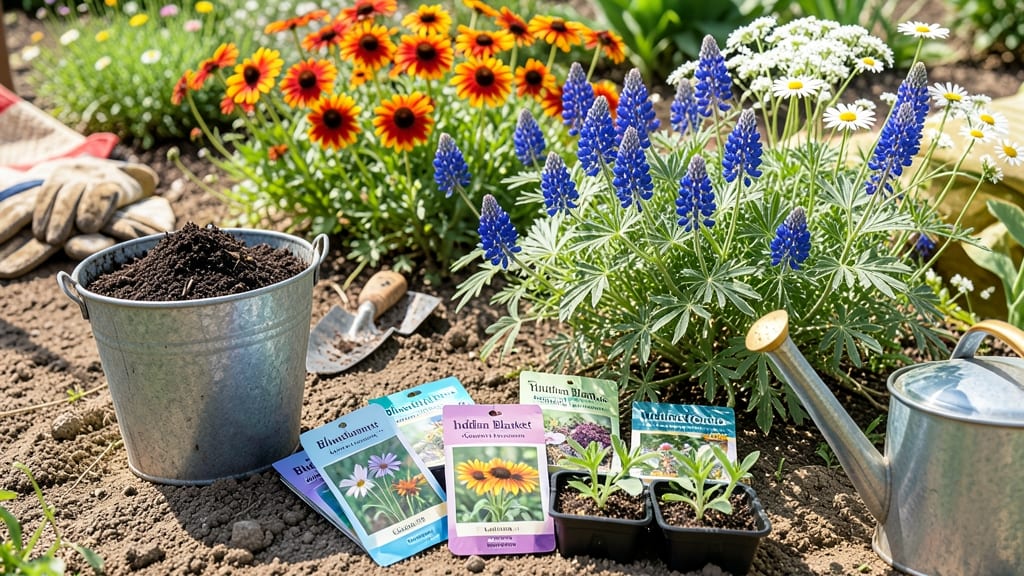
To plant flowers in Texas at the perfect time means timing it right to beat the heat and avoid frost—because one wrong move, and your blooms could be toast before they even sprout.
Texas’s brutal summers and unpredictable winters make this a high-stakes game. But with the right heat-resistant varieties and regional planting windows, you can turn your yard into a year-round floral paradise 🌸.
North Texas gardeners have a cooler window (think February–March), while South Texas can start as early as January. Central Texas? You’ve got about six weeks between frost dates to get it right.
Below, I break down the exact months for each region, the best drought-tolerant picks for scorching heat, and how to prep your soil so your flowers thrive—not just survive.
Texas flower planting calendar by region: exact months for spring, fall, and winter blooms
Texas’s diverse climate—from the cool winters of North Texas to the scorching summers of West Texas—means your planting schedule should match your region. Miss the window, and your annuals and perennials may struggle to establish roots before extreme heat or frost strikes.
Here’s your region-specific planting calendar for year-round blooms, including heat-tolerant annuals and cold-hardy perennials that thrive in Texas’s unique microclimates.
For North Texas (USDA Zones 7b-8a), where winters dip below freezing, focus on early spring and fall plantings to avoid frost damage. In Central Texas (Zones 8a-9a), the key is beating the 100°F+ summers by planting in late winter or early fall.
Meanwhile, South Texas (Zones 9a-10a) and West Texas (Zones 8a-9b) offer longer growing seasons, but drought and humidity demand careful timing. Let’s break it down by region for spring, fall, and winter blooms.
In North Texas, where frost lingers until mid-February, prioritize cold-hardy annuals like pansies and snapdragons for spring color. These thrive when planted 2–4 weeks before the last frost, typically by February 15.
For fall blooms, aim to plant by August 30 to ensure roots establish before winter. Blackfoot Daisy and Mexican Feather Grass are standouts for their drought tolerance and winter hardiness.
Central Texas’s extreme heat and humidity demand early spring or late summer plantings. Plant heat-loving annuals like Lantana and Zinnias by February 1 to avoid 100°F+ soil temperatures that stunt growth.
For fall color, focus on September plantings—this gives flowers time to root before winter. Salvia and Bluebonnet are perennial workhorses that reward patience with year-round interest.
South Texas gardeners enjoy a longer growing season, but humidity and heat can be brutal. Start spring plantings in January to beat the summer slump, with Plumbago and Firebush leading the pack for heat resistance.
For fall blooms, plant by August 15 to avoid hurricane season disruptions. Mexican Sunflower and Hibiscus thrive in this climate, offering bold colors and minimal care.
West Texas’s arid conditions favor drought-tolerant natives like Desert Marigold and Yucca. Plant these annuals and perennials in February to capitalize on spring rains before the summer drought sets in.
For fall color, September is ideal—this timing ensures deep root establishment before winter freezes. Avoid planting in April, as
Top 10 heat-resistant flowers for Texas gardens: drought-tolerant & sun-loving picks
Texas summers can push temperatures past 100°F, making most flowers wilt before they even bloom. But these heat-resistant varieties thrive in our brutal climate, offering vibrant colors from spring through fall with minimal water.
I’ve tested these Texas-adapted flowers in my own garden, and they consistently deliver drought-tolerant blooms that attract pollinators while surviving on once-weekly watering once established.
For year-round interest, I focus on native perennials and drought-proof annuals that handle our alkaline soil and intense sun. These picks require minimal maintenance—just deadheading spent blooms and occasional mulching to retain moisture.
Whether you’re in North Texas’s cooler winters or South Texas’s humid heat, these flowers will keep your garden blooming without breaking the bank on water.
When to plant: Most can be direct-sown in fall (September-October) for spring blooms or early spring (February-March) to avoid summer heat stress. For instant color, transplant 6-inch seedlings in late winter (January-February) once soil temperatures rise above 60°F.
🌿 Top 10 Heat-Resistant Flowers for Texas
- 1. Lantana – 🌺 Year-round blooms in orange, yellow, pink. Thrives in full sun, drought-tolerant, attracts butterflies.
- 2. Blackfoot Daisy (Melampodium) – 🌼 White daisy-like flowers with yellow centers. Blooms spring-fall, deer-resistant, needs zero water after establishment.
- 3. Mexican Sunflower (Tithonia) – 🌻 Bold orange blooms up to 6 feet tall. Loves hot, dry conditions, self-seeds easily, great for cut flowers.
- 4. Salvia (Autumn Sage) – 🌿 Red, pink, or white spikes that hummingbirds adore. Drought-proof, perennial, blooms spring-fall.
- 5. Blue Porterweed (Stachytarpheta) – 💙 Vibrant blue-purple flowers that butterflies can’t resist. Tolerates poor soil, blooms nonstop in heat.
- 6. Firebush (Hamelia) – 🔥 Orange-red tubular flowers that hummingbirds love. Thrives in full sun, drought-tolerant, evergreen in South Texas.
- 7. Zinnias (Heat-Tolerant Varieties) – 🌸 Bright colors in pink, red, yellow. Fast-growing annuals, cut-and-come-again, resistant to powdery mildew in heat.
- 8. Turk’s Cap (Malvaviscus) – 🌺 Deep red, velvety blooms that last all day. Shade-tolerant but handles full sun, edible flowers for teas.
- 9. Gaillardia (Blanket Flower) – 🌻 Red/yellow daisy-like blooms that re-bloom all summer. Drought-resistant, self-cleans (no deadheading needed).
- 10. Mexican Bush Sage (Salvia leucantha) – 💜 Velvety purple spikes that bloom in fall/winter. Cold-hardy to 10°F, perennial, fragrant foliage.
My top 3 companion planting tips for these heat-lovers: Pair Lantana with Mexican Sunflower for a butterfly magnet border. Plant Salvia near Zinnias to extend your hummingbird season. And use Gaillardia as a ground cover under Firebush to suppress weeds while adding color.
For water-saving hacks, I top-dress beds with 3 inches of mulch (gravel or wood chips) to lock in moisture. These flowers hate soggy roots, so amend clay soil with compost before planting. Once established, most only need deep watering every 10-14 days—perfect for Texas’s 100°F+ summers.
Pro tip: Deadhead spent blooms on Lantana and Zinnias to encourage nonstop reblooming. And if you’re in North Texas, protect tender perennials like Firebush with a light frost cloth in winter—it’s worth the effort for year-round color.