
Flowers
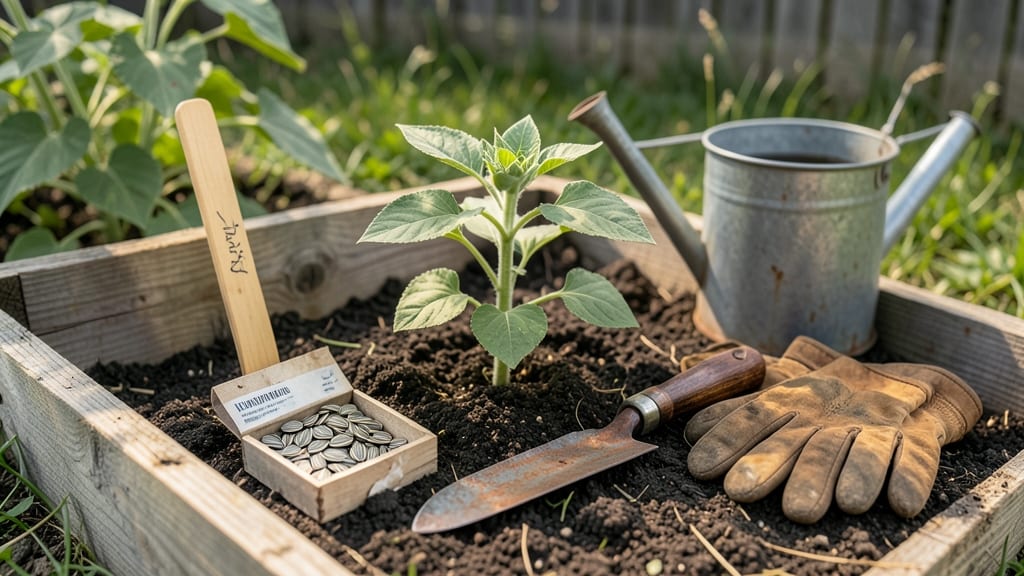
Plant sunflowers for doves in Texas between mid-March and early May to align with dove migration and seed production needs.
If you're a Texas dove hunter, timing is everything—plant too early, and the heat zaps your crop before doves arrive. Too late, and you miss the peak migration window. The right schedule ensures a steady supply of seeds when doves are most active.
Texas’ diverse climate zones mean your planting window shifts from North to South. In cooler USDA Zone 7b, like Dallas, you can start as early as late February, while South Texas’ Zone 9a waits until April.
The key is warm soil and avoiding late frosts that can stunt young plants.
Below, I break down the best months by region, sunflower varieties that thrive in Texas heat, and how to stagger plantings for continuous seed production through fall. No more guessing—just reliable dove food when you need it most.
Optimal sunflower planting months in Texas by region for dove hunting
Texas' diverse climate means sunflower planting timing varies dramatically from North Texas to South Texas. As a dove hunter, you need seeds available during peak migration (August–November), so aligning planting with frost dates and soil warmth is critical.
Each region has its own ideal planting window—get it wrong, and you'll miss the dove season entirely.
In North Texas (USDA Zones 7b–8a), last frost typically occurs around March 15–April 1, making April 1–May 15 the sweet spot for planting.
This ensures seeds mature by September, when early doves arrive. Central Texas (Zones 8a–8b) can plant slightly earlier (March 15–April 30) thanks to warmer soils, while South Texas (Zones 9a–9b) enjoys a February 15–March 30 window.
Here’s the region-by-region breakdown of when to plant sunflowers to maximize seed production for dove hunting:
For West Texas, the rules mirror North Texas due to similar frost patterns, but soil dryness demands extra watering. Plant April 1–May 1 to avoid summer drought stress before seeds mature. Soil temperature is non-negotiable—sunflowers need 60°F+ to germinate, so wait until soil warms post-frost.
If you’re in South Texas, you can even squeeze in a second planting around June 15–July 15 for late-season doves, but prioritize drought-resistant varieties like Russian Mammoth. These mature faster in the heat, ensuring seeds are ready by October when doves peak.
Soil prep is just as critical as timing. Work in 2–3 inches of compost before planting to improve drainage—Texas soils can be clay-heavy, and sunflowers hate soggy roots. Test your soil’s pH (6.0–7.0 ideal) and add lime if needed. Mulch after germination to retain moisture during Texas’ brutal summers.
For dove hunting success, aim for 10–12 sunflower plants per acre to ensure seed abundance. ProCut varieties are top picks—they produce high-yield, bird-friendly seeds with minimal waste. Plant in full sun (6+ hours daily) and space seeds 12–18 inches apart to prevent overcrowding.
Watch for bird predation early on—young sunflowers are vulnerable to squirrels and jays. Use row covers until plants reach 12 inches tall, then let nature take its course. By aligning your planting with dove migration patterns, you’ll have a reliable seed source from August through November.
Remember: Texas heat accelerates growth, so monitor plants closely. If you see wilting despite watering, it’s a sign of root stress—adjust your irrigation immediately. With the right timing and care, your sunflower patch will become a dove magnet every hunting season.
How to adjust planting timing for early, mid-season, and late dove flights in Texas
Dove migration in Texas peaks from August to November, but doves don't arrive all at once. They trickle in during early, mid-season, and late flights, and your sunflower planting strategy must match this pattern.
By staggering your plantings, you'll ensure a steady supply of ripe sunflower seeds throughout the entire hunting season.
In Texas, early flights typically begin in late August in North Texas, while South Texas may see doves arriving as early as mid-August. Mid-season flights dominate September and October, and late flights stretch into November.
Each flight requires a different planting schedule to keep seeds available when doves need them most.
3 Key Planting Strategies for Texas Dove Hunters
-
Early Flight Prep (Plant in May)
For late August arrivals, plant fast-maturing varieties like 'ProCut' in early May. These seeds will be ready by mid-to-late August, just as doves begin filtering through. -
Mid-Season Boost (Plant in June)
To feed September-October doves, sow medium-maturity sunflowers in late June. Varieties like 'Russian Giant' thrive with this timing, producing seeds when doves are most abundant. -
Late Flight Backup (Plant in July)
For November hunters, plant heat-tolerant varieties in early July. These late plantings extend your seed supply into early November, when late flights still occur.
Pro Tip: Use succession planting every 2-3 weeks between May and July for continuous harvests.
Texas' USDA Zones 7b-9a create microclimates where planting dates can shift by 2-3 weeks between regions. For example, North Texas (Zone 7b-8a) can plant later than South Texas (Zone 8b-9a) because cooler nights slow seed maturation. Always check your last frost date and adjust accordingly.
Another critical factor is soil temperature. Sunflower seeds germinate best when soil reaches 60°F (15°C). In West Texas, this often happens by mid-April, while East Texas may wait until late April. Use a soil thermometer to confirm readiness before planting.
Don't forget to thin seedlings to 12-18 inches apart once they're 4-6 inches tall. This prevents overcrowding, which can delay seed ripening by 1-2 weeks—critical timing when doves are passing through. Proper spacing also makes seeds easier for doves to access.
By aligning your three planting windows with Texas' dove migration patterns, you'll create a continuous seed buffet that keeps doves lingering longer in your fields. The key is consistency—plant early, mid-season, and late to match the doves' arrival schedule.
With this approach, you'll maximize your hunting success while giving Texas' dove populations a reliable food source.