
Plants
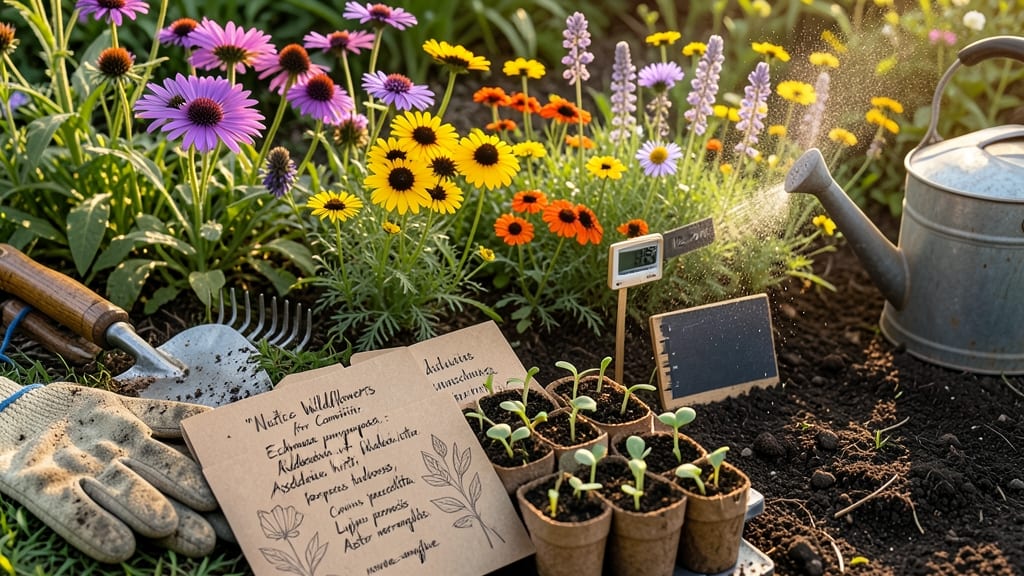
Planting wildflower seeds in Connecticut at the right time means the difference between a meadow bursting with color and a season of disappointment.
Timing is everything — get it wrong, and frost or drought will steal your blooms before they even sprout. In Zones 5b-6b, the best windows are early spring or late summer, but knowing the exact frost-free dates for your region is the key to success.
Whether you're restoring a pollinator-friendly garden or simply adding beauty to your landscape, the right planting strategy ensures your wildflowers thrive. Below, I’ll break down the ideal months for each variety and how to prep your soil for maximum impact.
You’ll learn how to outsmart late frosts, choose the best native species for your microclimate, and keep your wildflowers blooming for years to come.
Optimal planting windows for CT wildflowers by hardiness Zones
Connecticut's USDA Zones 5b-6a create unique challenges and opportunities for wildflower planting. Unlike warmer climates, our cool springs and early frosts demand precise timing. I've planted wildflowers in Hartford, New Haven, and coastal areas—here's what I've learned about the perfect windows to ensure vibrant blooms every season.
For most annual wildflowers, the ideal planting window is late March to early May, right after the last frost date. However, perennials often thrive when sown in late summer (August), giving them time to establish roots before winter.
Coastal areas like Groton or New London may have slightly later frost dates, allowing for a 2-3 week extension in your planting schedule.
| Zone & Location | Best Planting Window | Key Considerations |
|---|---|---|
| Zone 5b (Hartford) | Early Spring: March 20-April 15 Fall: August 15-Sept 15 |
Last frost April 10-20. Use row covers for early spring plantings. |
| Zone 6a (New Haven) | Early Spring: March 25-April 30 Fall: August 20-Sept 20 |
Last frost April 5-15. Warmer microclimates allow earlier coastal plantings. |
| Coastal Areas (Zone 6a) | Early Spring: April 1-April 25 Fall: August 25-Oct 5 |
Salt spray tolerance needed. First frost delayed until Oct 20. |
| All Zones (Annuals) | Late Summer: July 15-August 15 | Ensures fall blooms before first frost. Water daily for 2 weeks after planting. |
| All Zones (Perennials) | Early Fall: September 1-October 1 | Allows 6-8 weeks root establishment before winter dormancy. |
I recommend late summer plantings (August) for perennial wildflowers like Black-Eyed Susans and Coneflowers. These varieties establish roots before winter, giving them a 2-year head start on blooming.
For annuals, I've found that early spring plantings (March-April) yield the most vibrant displays, provided you use seedling protection for the first two weeks.
Coastal gardeners should take advantage of warmer microclimates by planting 2-3 weeks later than inland areas. The Long Island Sound creates a buffer against early frosts, allowing for extended fall plantings up to October 5.
However, be mindful of salt spray—choose salt-tolerant species like Sea Lavender for coastal plantings.
For Hartford gardeners in Zone 5b, I suggest focusing on early spring plantings with row covers for protection. The average last frost date is April 15, but I've seen late frosts as late as May 5.
To mitigate risks, I plant half my annual seeds in March and cover them with frost cloth until April 15, then plant the remaining seeds in early May.
One critical mistake I see often is planting too late in fall. While September is ideal for perennials, October plantings rarely establish before winter. If you must plant later, choose fast-growing varieties like Sweet Alyssum or Cosmos, which can establish roots in just 3-4 weeks.
Always mulch heavily (3-4 inches) to protect new roots from freeze-thaw cycles.
For maximum biodiversity, I stagger my plantings: 25% in March, 50% in April, and 25% in August. This ensures
Best wildflower varieties for CT’s climate and their ideal planting months
Connecticut’s variable climate demands wildflowers that thrive in USDA Zones 5b-6a, balancing drought tolerance with frost resilience. Native species like Black-Eyed Susans and Purple Coneflowers dominate meadows, while Lupines and Goldenrods add height and pollinator appeal.
Choosing the right variety—and planting at the perfect time—ensures vibrant blooms from late spring to early fall.
For maximum success, align planting with Connecticut’s frost-free window (typically April through September). Early spring sowing (March-April) lets seeds germinate before summer heat, while fall planting (September) leverages natural moisture for strong root establishment.
Below, I’ve ranked the top 5 wildflowers for CT, including their ideal planting months and soil preferences.
🌱 Native Favorites: Black-Eyed Susans (Rudbeckia hirta) and Purple Coneflowers (Echinacea purpurea) are drought-tolerant and low-maintenance, perfect for full sun gardens. Lupines (Lupinus spp.) fix nitrogen in the soil, improving long-term fertility.
🌻 Non-Native Stars: Cosmos (Cosmos bipinnatus) and Zinnias (Zinnia elegans) offer bright colors and long bloom seasons, thriving in well-draining soil. These annuals are ideal for cut flower gardens or pollinator-friendly borders.
| Wildflower Variety | Ideal Planting Month | Bloom Season | Sun Needs | Soil Preference |
|---|---|---|---|---|
| Black-Eyed Susan | March-April or September | July-October | Full sun (6+ hrs) | Well-draining, average |
| Purple Coneflower | April-May or August | June-September | Full sun to part shade | Adapts to most soils |
| Lupine | March-April | May-July | Full sun | Well-draining, slightly alkaline |
| Cosmos | April-May (direct sow) or June (transplant) | July-Frost | Full sun | Poor to average soil |
| Zinnia | May-June (after frost) | June-October |