
Plants
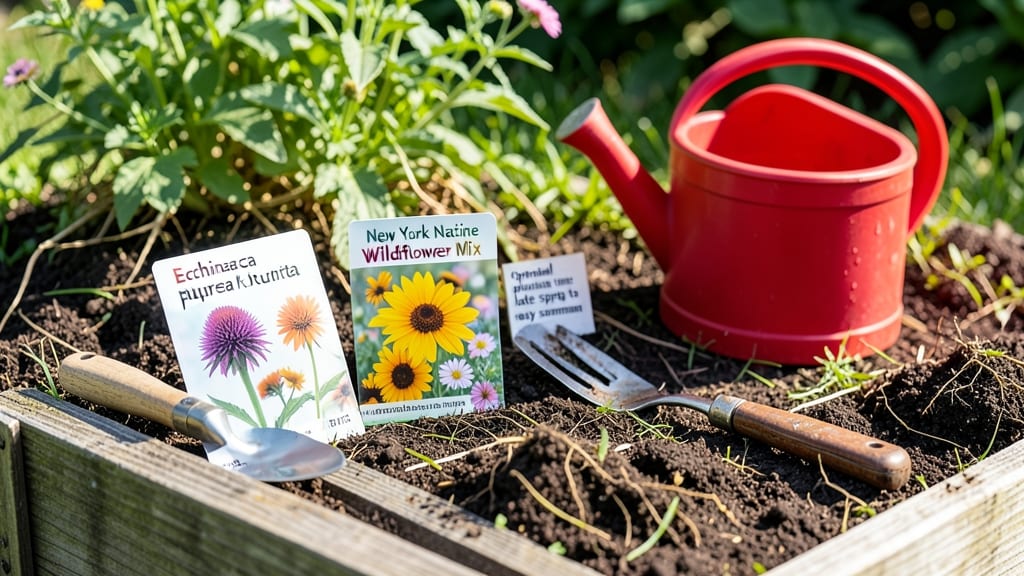
Planting wildflower seeds in New York at the right time means the difference between a vibrant meadow and a missed opportunity 🌼 — aim for early spring or late summer to align with your region’s frost dates.
Timing is everything when planting wildflower seeds in New York—plant too early, and frost will wipe them out; too late, and you’ll miss peak blooming seasons. Follow this frost-date guide to maximize your wildflower meadow’s beauty year after year.
New York’s climate varies dramatically from the cool, wet north to the warmer, drier south, so the ideal window shifts depending on whether you’re in Zone 5a (like Buffalo) or Zone 7a (like NYC).
Spring planting in March-April gives you summer blooms, while late summer/early fall (August-September) sets up next year’s show.
Below, I’ll break down the exact frost dates by region, the best seed mixes for your soil, and pro tips to ensure your wildflowers thrive—no matter where in the state you’re gardening.
New York’s frost dates and wildflower planting windows by season
New York’s frost dates create distinct windows for planting wildflower seeds, and timing directly impacts your meadow’s success. The average last frost in NYC happens around April 15, while Upstate regions like Buffalo see frost linger until May 1.
These dates mark the earliest safe planting for spring-blooming annuals like cosmos and zinnia.
For perennial wildflowers like black-eyed Susan or coneflower, late summer to early fall (August-September) offers the best chance to establish roots before winter. This timing aligns with New York’s first frost dates, which arrive as early as October 15 in Upstate areas and October 31 in NYC.
Regional variations matter—Upstate’s cooler climate (USDA zones 5a-6a) favors earlier spring planting, while NYC’s warmer microclimate (zone 7a-7b) extends fall windows. Always check your local USDA zone for precision, as even a 10-mile difference can shift frost dates by a week.
Annual wildflowers thrive when sown 2-4 weeks before last frost, giving seeds time to germinate before heat stress. In NYC, this means March planting; in Buffalo, wait until mid-April. Perennials, however, benefit from fall sowing to avoid summer drought competition.
| Season | NYC Metro | Upstate NY | Best For |
|---|---|---|---|
| Spring | March 15-April 15 | April 1-May 1 | Annuals (cosmos, marigolds) |
| Summer | June-August | June-August | Scatter sowing (clover, milkweed) |
| Fall | August 15-Sept 30 | August 1-Sept 15 | Perennials (coneflower, goldenrod) |
| Winter | None | None | Dormant season (prep soil) |
Spring planting requires soil temperatures above 50°F—use a soil thermometer to confirm readiness. In NYC, this typically occurs by mid-April, while Upstate gardeners should wait until late April. For fall planting, aim to sow 6-8 weeks before first frost to allow germination before winter sets in.
Summer sowing (June-August) works best for self-seeding wildflowers like black-eyed Susan or butterfly weed. These species thrive when scattered directly into mowed lawns or disturbed soil, taking advantage of summer rains. However, avoid planting in peak heat (July-August in NYC), as seeds may dry out before germinating.
New York’s microclimates create opportunities for extended blooming seasons. In urban heat islands like Brooklyn, some annuals (e.g., sunflowers) can bloom until November if planted in late summer. Conversely, Upstate gardens may see earlier spring blooms from perennials like bee balm when planted in fall.
Pro tip: Mark your calendar for local frost dates using the NYS DEC’s frost charts or Almanac.com. These resources adjust yearly based on climate shifts, ensuring your planting aligns with real-time conditions. For example, 2023’s late frost in Syracuse delayed spring planting by 2 weeks.
To maximize full-season color, combine spring annuals (e.g., lupine) with fall perennials (e.g., astors). This layered approach ensures blooms from May through October, regardless of your USDA zone. Always choose native species—they’re adapted to New York’s variable frost patterns.
Remember, wildflowers need patience. Perennials may take 2-3 years to reach full bloom, but their low-maintenance nature makes them worth the wait. Start small with a 10x10-foot patch, and expand as you master your local frost windows.
Best wildflower seed mixes for New York’s climate and soil types
New York’s diverse USDA zones 5-7 offer perfect conditions for wildflowers, but choosing the right seed mixes depends on your soil type and sunlight exposure. Native species like black-eyed Susan and eastern coneflower thrive in our climate, while low-maintenance blends attract pollinators and resist drought.
Let’s explore the best options for your garden.
Soil prep is key—most wildflowers prefer well-draining soil with a pH between 6.0-7.5. Test your soil before planting and amend with compost if needed. Clay-heavy soils in Upstate NY benefit from sand or peat moss, while sandy soils in Long Island hold moisture better with organic matter.
Aim for 6+ hours of sun daily for optimal blooms.
Native wildflower mixes like Prairie Sun or Eastern Meadow blends include coneflower, goldenrod, and butterfly weed, perfect for pollinator gardens. For drought-resistant options, wild bergamot and partridge pea thrive with minimal water once established. Always check seed packets for New York-specific recommendations.
| Seed Mix Type | Best For | Sun Needs | Soil Prep |
|---|---|---|---|
| Native Pollinator Mix | Bees & Butterflies | Full Sun (6+ hrs) | Loose, compost-amended |
| Drought-Tolerant Blend | Low Water Areas | Full Sun to Partial Shade | Well-draining, minimal organic matter |
| Shade-Loving Wildflowers | Woodland Gardens | Partial Shade (3-6 hrs) | Moist, leafy mulch |
| Easy-Grow Annual Mix | Quick Color (Year 1) | Full Sun | Any soil, no prep needed |
For pollinator-friendly gardens, prioritize native species like purple coneflower and bee balm. These plants support local ecosystems and require minimal care. If you’re in NYC or Long Island, opt for salt-tolerant mixes like sea lavender near coastal areas.
Always avoid invasive species like Japanese knotweed or garlic mustard.
Low-maintenance mixes like Wildflower Wonder or Sunny Meadow combine annuals and perennials for multi-year blooms. These blends often include coreopsis and black-eyed Susan, which self-seed easily. After planting, keep soil lightly moist until germination (about 2-4 weeks) and avoid fertilizing—wildflowers thrive in poor soil.
My top recommendation? Start with a 50/50 mix of native perennials and easy annuals for immediate color and long-term beauty. Pair your wildflowers with native grasses like little bluestem for texture and deer resistance.
With the right seeds and care, your New York meadow will burst with color from early summer to frost.