
Plants
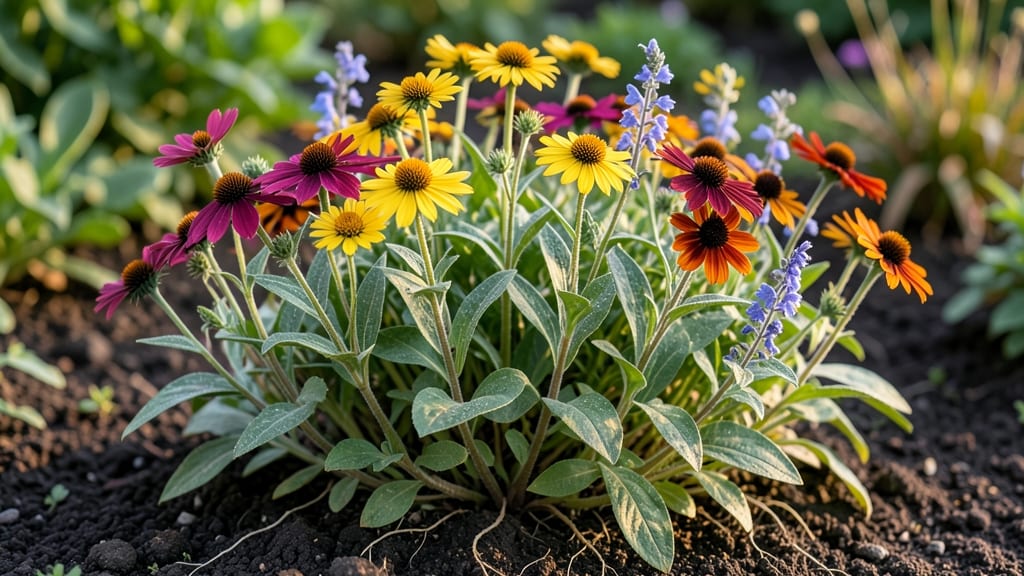
Planting wildflower seeds in Tennessee at the right time can transform your yard into a vibrant 🌼 haven, but timing is everything for success.
Picture this: you’ve scattered your seeds, dreaming of a meadow bursting with color—only to watch them wither before they even sprout. That’s what happens when you plant too late in fall or too early in spring, missing the 60-day window before Tennessee’s first frost hits.
In USDA Zones 6a-8a, the best months to plant are late winter to early spring (February to April) or late summer to early fall (August to September).
These windows give seeds time to germinate before summer heat or winter cold sets in, ensuring a thriving display from spring to fall.
Below, I’ll break down the exact timing for your region, the best native wildflowers to choose, and how to prep your soil for maximum success—so you can skip the guesswork and enjoy a blooming garden all season long.
Best planting windows for Tennessee wildflowers by season (USDA Zone 7B)
Tennessee’s USDA Zone 7B climate offers two prime windows for planting wildflower seeds: early spring and late summer. These periods align with soil temperatures and rainfall patterns that encourage strong germination and root establishment. Planting outside these windows risks seeds drying out or being washed away before they sprout.
For spring planting, aim for March to early April—just after the last average frost date (typically mid-April in most of Tennessee). This gives seeds time to germinate before summer heat arrives.
In late summer, plant between August and early September to allow seedlings to develop roots before winter dormancy.
| Season | Best Planting Month | Soil Temp (°F) | Rainfall (in/month) | Key Considerations |
|---|---|---|---|---|
| Spring | March–Early April | 50–60°F | 3–4 inches | Avoid frost; keep soil moist |
| Late Summer | August–Early September | 70–80°F | 4–5 inches | Prevent weeds; mulch lightly |
| Fall (Limited) | Late September | 60–65°F | 2–3 inches | Risky; seeds may not germinate |
In spring, focus on annual wildflowers like Black-Eyed Susan and Cosmos, which thrive when planted in well-draining soil with 6+ hours of sunlight. These varieties germinate quickly in warmer soil, so avoid planting before mid-March unless you use a cold frame.
For late summer, prioritize perennial wildflowers such as Coneflower and Goldenrod. These species benefit from higher soil temperatures and increased rainfall in August, which helps them establish deep roots before winter. Water lightly after planting to avoid displacing seeds.
Tennessee’s rainfall patterns play a crucial role in seed success. Spring months often bring 3–4 inches of rain, which is ideal for germination, while summer showers (4–5 inches/month) support seedling growth. However, drought conditions in late summer can stress young plants, so monitor soil moisture closely.
Avoid planting wildflower seeds in fall unless you’re in southern Tennessee, where milder temperatures extend the growing season. Even then, seeds planted after late September may not germinate before first frost (typically mid-October), leaving them vulnerable to cold damage.
Soil temperature is another critical factor. Wildflower seeds germinate best when soil reaches 50–60°F in spring and 70–80°F in summer. Use a soil thermometer to check temperatures before planting, especially in shady or rocky areas where soil warms slower.
If you miss the ideal windows, consider fall-sown cover crops like clover to improve soil health before planting wildflowers in spring. This approach mimics natural ecosystems where wildflowers thrive in nutrient-rich, disturbed soils.
Pro tip: Scatter seeds thinly (about 1/4 pound per 1,000 sqft) and lightly rake them into the top 1/4 inch of soil. Press them gently to ensure contact with the earth, then water lightly but consistently until germination occurs (usually 10–21 days depending on the species).
🌱
How to choose wildflower seed varieties for Tennessee’s climate
Tennessee’s Zone 7B climate offers the perfect stage for native wildflowers that thrive with minimal fuss.
Whether you’re restoring a meadow or adding pollinator-friendly blooms, selecting the right species ensures vibrant displays year after year. Native wildflowers like Black-Eyed Susan and Coneflower not only adapt effortlessly but also support local ecosystems.
For low-maintenance gardens, prioritize drought-tolerant varieties that require little water once established. These plants also attract bees, butterflies, and hummingbirds, turning your yard into a thriving wildlife habitat. Let’s explore the top five native Tennessee wildflowers that will flourish with ease in your landscape.
Golden blooms with drought tolerance and full sun needs. Thrives in poor soil and attracts pollinators.
Medicinal benefits and long bloom season (June–October). Prefers well-draining soil and partial shade tolerance.
Bright yellow/orange flowers with high drought resistance. Ideal for rock gardens or borders.
Monarch butterfly magnet with deep orange blooms. Thrives in sandy soil and full sun.
Shade-tolerant with red/yellow flowers. Perfect for woodland gardens or understory planting.
When selecting seeds, check the seed packet for USDA Zone 7B compatibility to avoid mismatches. For best results, mix species to extend your bloom season—some, like Black-Eyed Susan, shine in summer, while Coneflower keeps going into fall.
Plant in late summer or early fall for spring blooms, or in spring for summer color.
These native wildflowers require minimal soil prep—just loosen the top 2 inches of soil and scatter seeds lightly. Mulch lightly to retain moisture, but avoid heavy mulch that can smother small seedlings. Once established, most need only occasional watering and no fertilizer, making them ideal for eco-friendly gardens.
For pollinator gardens, combine these with milkweed and bee balm to create a year-round food source. Watch as your Tennessee meadow transforms into a buzzing, blooming paradise with almost no effort! 🌼