
Flowers
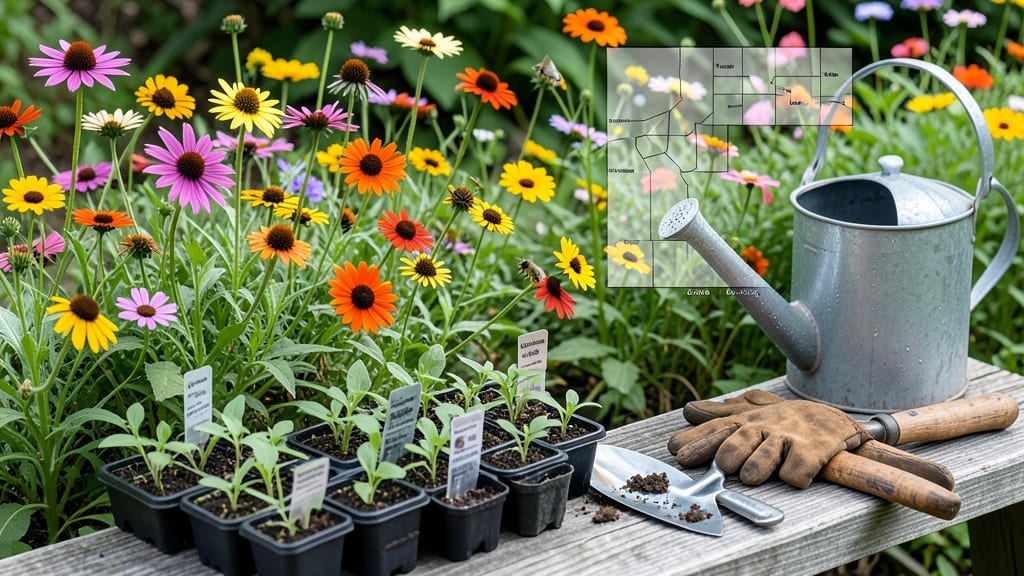
Planting wildflowers in Missouri at the right time ensures vibrant blooms 🌼 and thriving pollinator gardens year after year.
Missouri’s unpredictable frost dates and varied USDA zones (5b-6b) mean timing is everything—plant too early, and a late freeze wipes out tender seedlings; too late, and summer heat stunts growth. The ideal window? Early spring (March-April) or early fall (September-October), when soil temperatures cooperate and moisture levels are just right.
Whether you’re sowing seeds for a wildflower meadow or tucking in native perennials like purple coneflower or black-eyed Susan, the key is matching your zone’s frost-free timeline.
In northern Missouri, aim for after April 15; in the warmer Bootheel, you’ve got a few extra weeks. Fall planting, meanwhile, lets seeds establish roots before winter’s chill.
Below, I break down the exact months for each zone, soil prep secrets, and how to stretch your blooms from spring through fall—so you’re not left with patchy patches or missed opportunities. Let’s get those wildflowers growing!
Missouri wildflower planting calendar by USDA Zone (with frost deadlines)
Missouri spans USDA Zones 5a to 7a, creating dramatic differences in frost timing between the northern Ozarks (Zone 5a) and the southern Bootheel (Zone 7a).
These variations mean your wildflower planting window could shift by up to 6 weeks—critical for species like purple coneflower that need consistent soil temps to germinate. Let’s break down the exact timing for each zone, including frost risk analysis and optimal soil temperature thresholds.
Most Missouri gardeners focus on spring (March-April) or fall (September-October) planting, but the Ozarks’ cooler microclimate often delays spring planting by 2-3 weeks compared to the Bootheel.
For example, Zone 5a (northern Missouri) typically sees its last spring frost around April 20, while Zone 7a (southern Missouri) averages March 25. This difference can mean the gap between safe planting and frost damage.
Here’s the zone-specific planting calendar with frost deadlines and soil temperature guidelines to maximize germination success:
For seed vs. transplant timing, Missouri’s unpredictable spring rains make fall planting my top recommendation—especially in Zone 5a.
Seeds sown in September have time to establish roots before winter, while spring-planted seeds often struggle with erosion from March showers. Transplants, however, can handle spring planting as long as soil temps stay above 50°F consistently.
Missouri’s microclimates add another layer of complexity. The Ozarks’ rocky soils drain quickly, so I recommend light mulching after planting to retain moisture. Conversely, the Bootheel’s clay-rich soil holds water longer—ideal for drought-tolerant species like black-eyed Susan, but prone to waterlogging if not amended with compost.
Always test your soil’s drainage rate before planting.
Pro tip: Use a soil thermometer to confirm temps before planting. Most wildflower seeds need 50–60°F soil for germination, but species like coreopsis thrive at 65°F+.
In cooler zones, wait until April 15 minimum to avoid frost damage to tender seedlings. Fall planting is more forgiving—aim for 60–70°F soil by September 15 for best results.
Don’t overlook native wildflower mixes tailored to your zone. For example, Zone 5a benefits from
Best wildflower seed types for Missouri’s spring vs. fall planting
Missouri’s unpredictable spring rains and hot summers demand smart wildflower choices. Cool-season natives like purple coneflower thrive when planted in early spring (March-April), while heat-lovers such as black-eyed Susan prefer fall planting (September-October). The key? Matching species to Missouri’s USDA zones 5b-7a and soil conditions for reliable blooms.
Spring planting gives cool-season wildflowers a head start before summer heat arrives. These varieties establish roots in 50-60°F soil, perfect for Missouri’s March-April temperatures. Fall planting, however, lets seeds germinate in cool weather and avoid summer drought stress, ideal for heat-tolerant species like blanket flower and coreopsis.
🌱
Spring Planting (March-April)
Fall Planting (September-October)
- Faster spring blooms (May-June)
- Ideal for cool-season natives (e.g., purple coneflower)
- Less competition from weeds early in season
- Risk of late spring frosts damaging seedlings
- Spring rain delays germination if soil stays soggy
- Summer drought stress may reduce survival
- Seeds germinate in cool weather (avoids summer heat)
- Established roots before winter (better survival)
- Perfect for heat-loving species (e.g., black-eyed Susan)
- Blooms delay until next summer (fall-planted seeds)
- Early fall frosts may limit germination window
- Requires soil prep before first frost
Purple coneflower (Echinacea purpurea) is my top spring-planted pick—it thrives in Missouri’s clay soils and drought conditions. Sow seeds in March for blooms by June, with 80% germination in ideal conditions. For fall planting, try black-eyed Susan (Rudbeckia hirta), which germinates best in September and blooms June-August the following year.
Missouri’s unpredictable spring rains can wash away freshly planted seeds. To combat this, I lightly rake seeds into 1/4-inch soil and cover with straw mulch. For fall plantings, September’s warm days and cool nights create perfect germination conditions—just avoid planting after October 1st to prevent frost damage.
Germination timelines vary by species: coreopsis sprouts in 7-14 days, while wild bergamot may take 3-4 weeks. Always water deeply after planting and keep soil moist until seedlings appear. Once established, most Missouri wildflowers need only occasional watering.
For long-lasting meadows, mix spring and fall plantings. Start with cool-season species in March, then add heat-lovers in September for continuous blooms from May through October. This strategy ensures your pollinators have year-round nectar sources while minimizing maintenance.
🌻