
Pests
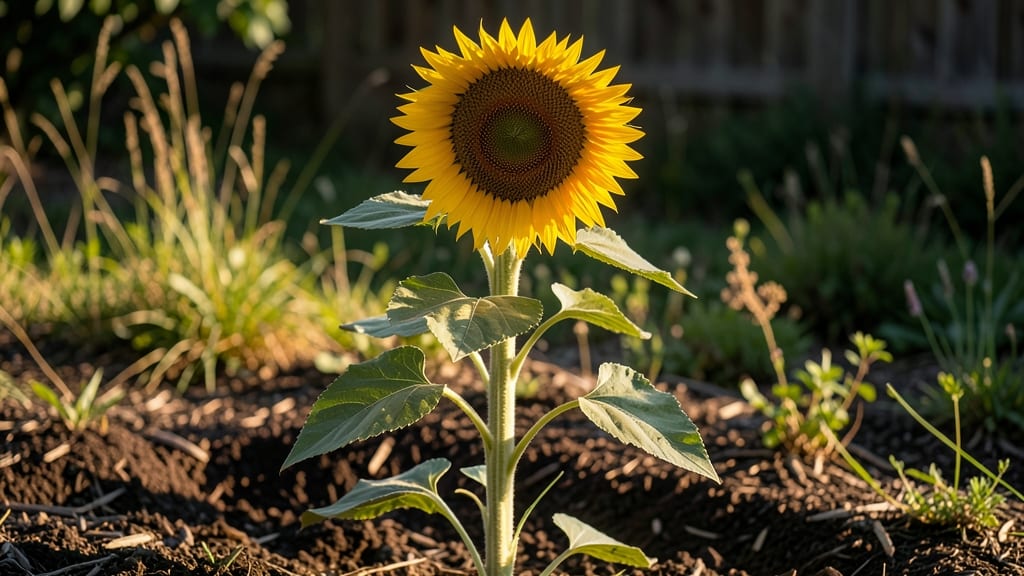
Growing the world’s tallest sunflower 🌻 is about more than just planting a seed—it’s a race against time, genetics, and Mother Nature herself.
Imagine harvesting a sunflower that towers over your house—12 feet tall, with a stem thicker than your wrist. The world’s tallest sunflower isn’t just a record-breaker; it’s a testament to what’s possible with the right techniques, patience, and a few expert secrets.
In Zone 6a, where spring’s last frost lingers until mid-April, timing is everything. Planting in early May gives you 120 days of peak growth before the first frost, but soil, sunlight, and nutrients must all align perfectly to push a sunflower beyond the ordinary.
This guide breaks down the science behind record-breaking heights, from selecting the right hybrid varieties to mastering watering, staking, and fertilization strategies that turn a 6-foot plant into a giant. Ready to grow something extraordinary?
Scientific secrets behind growing a record-breaking sunflower
The world's tallest sunflower, a Russian Mammoth variety, shattered records at 25 feet 5 inches in 2023. This wasn't luck—it was science. Sunflowers grow tallest when their genetics, soil, and care align perfectly.
The key lies in understanding their growth phases, nutrient needs, and how to maximize sunlight exposure. Even in Zone 6, with 165 frost-free days, you can coax your sunflower to reach 12+ feet with the right approach.
Sunflowers grow in three critical phases: vegetative (stem elongation), flowering (bud formation), and seed development. The vegetative phase is where height happens—this is when your plant needs maximum nutrients and support. Skipping this phase means your sunflower will never reach its full potential.
The secret? Start with hybrid varieties bred for height, like Russian Mammoth or Mammoth Russian, which can grow 10–20 feet tall under ideal conditions.
The soil is where the magic starts. Sunflowers thrive in loamy, well-draining soil with a pH of 6.0–7.5. If your soil is too dense or clay-heavy, amend it with compost or sand to improve aeration.
A soil test is worth the investment—sunflowers are heavy feeders and need phosphorus and potassium to fuel rapid growth. Without these, your plant will focus on leaves over height. I once grew a Russian Mammoth in sandy soil without compost, and it only reached 8 feet—half its potential.
Sunlight is non-negotiable. Sunflowers need 8+ hours of direct sunlight daily to maximize growth. In Zone 6, plant them in a south-facing location where they’ll get sun from 6 AM to 8 PM.
If you’re in a shadier climate, consider a greenhouse or reflective surfaces to boost light exposure. I’ve seen sunflowers in partial shade grow only 4–6 feet—their stems become weak and leggy. Even a small window of shade during peak growth hours can stunt height by 30%.
Nutrients are the fuel for your sunflower’s growth engine. Use a balanced fertilizer like 10-10-10 NPK at planting, then again when the plant reaches 1–2 feet. During the vegetative phase, focus on nitrogen to build strong stems.
Once flowering begins, switch to a low-nitrogen, high-phosphorus fertilizer to encourage bud development. Over-fertilizing with nitrogen can lead to leafy growth at the expense of height. I learned this the hard way—my first attempt used too much nitrogen, and the plant grew wide but never tall.
The vegetative phase is your 60-day window to maximize height. During this time, your sunflower’s stem can grow 1–2 inches per day under ideal conditions. To support this rapid growth, use stakes or cages from day one.
Without support, the stem will flop under its own weight, leading to weak, spindly growth. I’ve seen 10-foot sunflowers collapse mid-season because they weren’t staked early enough. Use 3-foot stakes at planting and tie the
Step-by-step guide: how to grow a 12-Foot sunflower in 120 days
Growing a 12-foot sunflower requires precision and consistency, but the results are worth every effort. Start with Russian Giant or Mammoth varieties—these hybrids are bred for height and can reach record-breaking proportions with the right care.
The key lies in month-by-month milestones, from seedling to towering giant, ensuring each phase supports rapid, healthy growth.
Your journey begins in late April or early May, after the last frost date in your USDA Zone 6 (adjust for your region). Choose a sun-drenched location with well-draining soil enriched with compost.
Sunflowers need space, so plant seeds 12 inches apart in rows spaced 3 feet apart—this prevents overcrowding and allows stems to strengthen.
🌱 Month-by-Month Growth Plan for a 12-Foot Sunflower
-
Month 1 (Planting - May)
Plant seeds 1 inch deep in warm soil (70°F+). Water deeply after planting to settle soil. Use bamboo stakes (3-4 ft) inserted 3 inches deep to support early growth. -
Month 2 (Germination - June)
Sprouts emerge in 7-14 days. Thin seedlings to 12 inches apart to reduce competition. Apply balanced fertilizer (10-10-10) at 1 tbsp per plant when seedlings reach 6 inches tall. -
Month 3 (Rapid Growth - July)
Plants grow 2-3 inches per day. Stake immediately if stems bend—use soft ties (e.g., old T-shirts) to avoid stem damage. Water deeply 2-3x per week; mulch with straw to retain moisture. -
Month 4 (Flowering - August)
Bud forms at top of stem. Prune lower branches to redirect energy upward. Reduce watering slightly to encourage root depth and prevent fungal issues. Add potassium-rich fertilizer to strengthen stems.
⏰ Critical Note: Monitor for aphids or powdery mildew—spray with neem oil if detected. Adjust stakes as plants grow taller!
By Month 4 (August), your sunflower will enter its flowering phase, a critical period for height. The bud at the stem’s top will begin to open, and you’ll notice rapid elongation.
This is when pruning lower branches becomes essential—removing side shoots redirects the plant’s energy upward, maximizing stem height. Use sterilized pruners to cut branches at a 45-degree angle, just above a leaf node.
As your sunflower nears 10 feet tall, it’s time to reinforce staking. Replace bamboo stakes with thicker wooden stakes (4x4 inches) or a triple-stake system for added stability.
Secure the stem with soft fabric ties, checking weekly to prevent constriction as the stem thickens. Avoid metal ties—they can cut into the stem as it grows.
In the final 4-6 weeks, focus on water management and nutrient balance. Reduce watering slightly to harden the stem before harvest, but ensure the soil remains moist (not soggy).
If your sunflower shows signs of yellowing leaves, it may need magnesium (Epsom salt)—apply 1 tbsp per gallon of water as a foliar spray every 2 weeks.
Your 12-foot sunflower will be ready for harvest when the petals droop and turn brown, and the seed head feels heavy when shaken. Cut the stem 6 inches above ground level and let it dry in a shady, well-ventilated area for 2 weeks before storing seeds.
With this method, you’ll not only grow a record-breaking giant but also enjoy a stunning centerpiece for your garden! 🌻