
Flowers
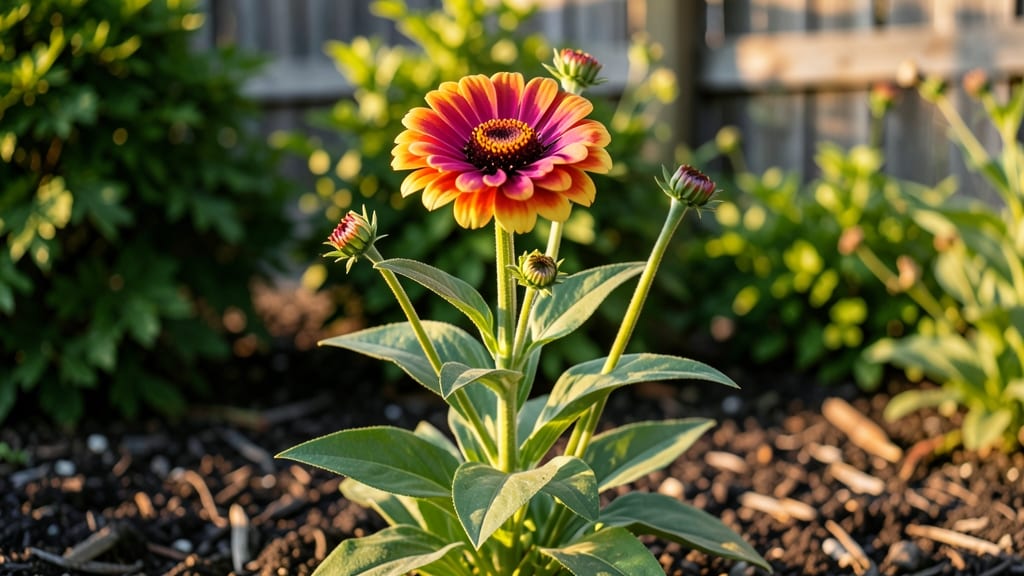
Zinnia flowers thrive best in full sun but can adapt to shade with the right variety and care 🌼—the key to long-lasting blooms lies in matching their light needs to your garden’s conditions.
Picture this: you’ve planted zinnias with high hopes, only to watch them stretch toward the sky or produce sparse, weak blooms. The culprit? Light—or the lack of it. Too much shade and you’ll get leggy stems; too little sun and your flowers may never open fully.
But don’t worry—there’s a zinnia for every spot, from blazing sun to dappled shade.
Sun-loving zinnias like ‘Benary’s Giant’ or ‘State Fair’ demand at least 6 hours of direct light daily to produce their boldest blooms, while varieties such as ‘Crystal’ or ‘Profusion’ handle partial shade with grace. The difference in growth, color intensity, and even disease resistance can be dramatic.
In this guide, I’ll break down which zinnias shine in sun, which tolerate shade, and how to tweak soil, watering, and spacing to keep them blooming all season—no matter where they’re planted.
 Best Window Placement
Sun-loving zinnia varieties for maximum blooms and heat tolerance
If you want bold, long-lasting blooms that thrive under the harshest summer sun, you need the right zinnia varieties. These sun-loving cultivars not only demand full sun (6+ hours daily) but also flourish in heat, producing vibrant flowers from early summer until frost.
The key lies in selecting heat-resistant types with thick cuticles and deep root systems—traits that prevent wilting and keep blooms vibrant even when temperatures soar above 90°F.
For maximum bloom production, prioritize varieties like 'Benary's Giant' or 'Double Hit', which are bred specifically for heat tolerance and drought resistance. These cultivars not only survive but thrive in full sun, producing larger, more abundant flowers than shade-adapted types.
However, even the hardiest zinnias can struggle if watering or soil conditions aren’t optimized—so let’s dive into the top sun-loving varieties and how to grow them successfully.
⚠️ Common Mistake: Many gardeners assume all zinnias love sun, but overwatering in heat or poor soil drainage can turn your sun-loving zinnias into sad, leggy plants. The secret? Well-draining soil and consistent but infrequent watering to encourage deep roots. Pair that with reflective mulch (like white gravel) to boost sunlight exposure, and you’ll unlock nonstop blooms all season.
Among these sun-loving zinnias, 'Benary's Giant' stands out for its massive blooms (up to 5 inches wide) and heat tolerance that keeps it flowering even when other varieties fade.
For smaller spaces, the Profusion Series offers compact, bushy plants with continuous blooms—perfect for containers or window boxes. If you’re dealing with intense heat waves, prioritize 'Double Hit' or 'Zahara Yellow', both of which resist powdery mildew and thrive in 90°F+ temperatures.
To maximize sun exposure, plant zinnias in south-facing beds where they’ll receive uninterrupted sunlight. Avoid overcrowding, as zinnias need 6-12 inches of spacing to prevent competing for sunlight.
If your garden has partial shade (e.g., near a fence or tree), consider elevated beds or reflective mulches to bounce extra light onto the plants. Even 1-2 extra hours of sun can double bloom production
Shade-tolerant zinnia varieties: best options for partial shade gardens
Not all zinnias need 6+ hours of full sun to thrive—some varieties adapt beautifully to partial shade (3–6 hours of sunlight). These shade-tolerant zinnias often produce smaller blooms with softer colors but excel in low-light spots like woodland edges or under tall trees.
The key is selecting dwarf or compact varieties with broad foliage to maximize light absorption.
Shade can reduce bloom size and intensity, but it also extends the flowering season by preventing heat stress. For example, 'Thumbelina' zinnias (6–12 inches tall) thrive with just 3–4 hours of morning sun, while 'Crystal' series varieties tolerate up to 6 hours of filtered light.
These adaptations make them ideal for containers, borders, or mixed shade gardens.
Shade-Tolerant Zinnias: Pros & Cons
Pros
- ✅ Extended blooming in low-light areas
- ✅ Dwarf varieties perfect for containers
- ✅ Less heat stress in hot climates
- ✅ Softer pastel colors add contrast to shade gardens
Cons
- ❌ Smaller blooms compared to full-sun varieties
- ❌ Paler colors in deep shade conditions
- ❌ Leggy growth if light is insufficient
- ❌ Requires frequent deadheading to encourage reblooming
To maximize success with shade-tolerant zinnias, prioritize morning sunlight exposure (3–4 hours) over afternoon light, as direct afternoon sun can scorch delicate foliage. Amend the soil with organic compost to improve drainage, and space plants 8–12 inches apart to prevent competition.
Varieties like 'Benary's Giant' (dwarf form) or 'Crystal Pink' often outperform in partial shade when given these ideal growing conditions.
Watch for pale or sparse blooms as a sign of insufficient light—this is your cue to thin nearby plants or relocate the zinnia to a sunnier spot. In containers, choose light-colored pots to reflect extra light onto the roots.
Pair shade-tolerant zinnias with hostas or ferns to create a textured, low-maintenance shade garden that thrives without full sun.
For best results in partial shade, deadhead spent blooms weekly to redirect energy into new growth. Avoid over-fertilizing, as excess nitrogen promotes leafy growth over flowers. Instead, use a balanced 5-10-10 fertilizer every 6–8 weeks to support steady blooming.
With these adjustments, your shade-tolerant zinnias will reward you with months of color—even in tricky light conditions.
Pro tip: Try 'Zahara' zinnias for a modern, compact look in partial shade. Their velvety petals and dwarf stature (12–18 inches) make them a standout choice for urban gardens or balconies with limited sunlight. Pair them with purple coneflowers for a stunning contrast in mixed shade beds.