
Blooming
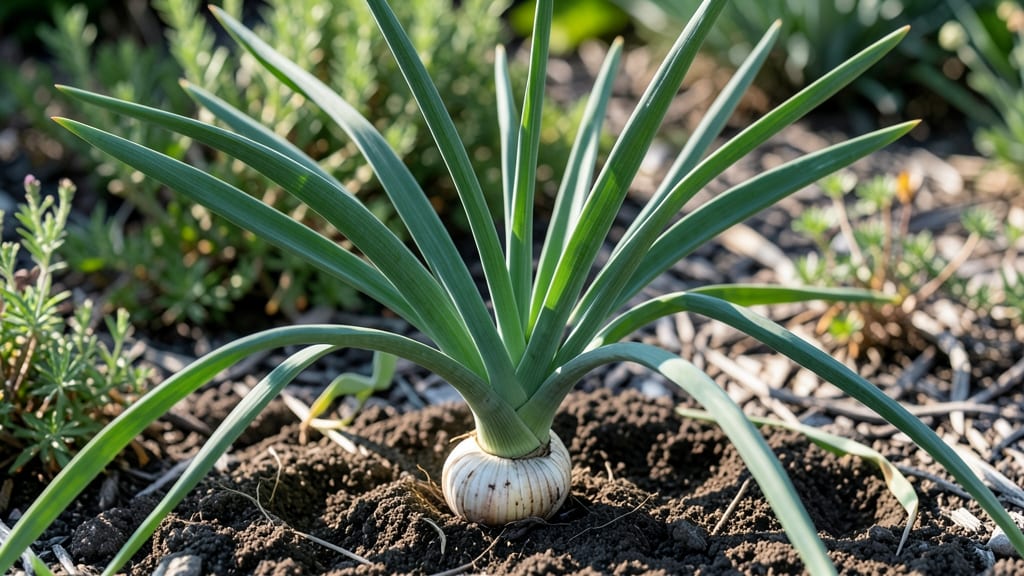
Harvesting allium greens before they flower can transform their flavor from sharp to sweet 🌷—but only if you time it right.
Picture this: you’ve spent weeks tending to your allium patch, and now the choice is critical. Cut too early, and you lose yield; wait too long, and the greens turn bitter.
The secret lies in recognizing the exact moment when the plant is still tender but the bulb is fully formed—before those iconic blooms even appear.
In USDA Zone 6a, that window opens in late spring, just as the leaves reach 12-18 inches tall and the base starts to thicken. This is when the allium’s natural sugars peak, making it prime for harvesting—whether you’re prepping for storage or fresh use.
Miss it, and you’ll be left with tougher stems and a less vibrant taste.
Below, I’ll walk you through the visual cues to spot, the best tools for the job, and how to store your harvest so it stays crisp and flavorful for weeks. No more guesswork—just maximum flavor and longer shelf life.
Optimal harvesting window for allium greens before flowering
Timing your harvest of allium greens—like scallions, chives, and garlic chives—before flowering is the secret to unlocking their mildest, sweetest flavor. This stage, called the pre-bolting phase, occurs when plants are 4-6 weeks old and before the flower stalk emerges.
Harvest too late, and you’ll get tougher, more pungent greens—or worse, miss the harvest entirely as the plant diverts energy to blooming.
Understanding the growth stages of alliums is key. The ideal harvest window begins when the leaves reach 6-12 inches tall but no flower bud is visible. At this point, the greens are tender, crisp, and packed with flavor.
Waiting too long means the plant will bolt, sending up a flower stalk and making the leaves bitter and woody. Here’s how to spot the perfect moment:
For scallions, the best time to harvest is when they’ve grown 6-10 inches tall but haven’t yet formed a bulb at the base. This usually happens 4-5 weeks after planting.
Look for bright green leaves with no signs of yellowing or flowering. If you see a small purple bud forming, you’ve missed the window—those greens will be tough and bitter.
With chives, timing is equally critical. Harvest when the clump reaches 8-12 inches tall and the leaves are straight and hollow. Unlike scallions, chives regrow quickly after cutting, so you can harvest every 3-4 weeks throughout the growing season.
The key is to avoid cutting more than one-third of the plant at once to prevent stress.
Garlic chives have a slightly longer pre-flowering window but follow the same rules. Harvest when the leaves are 10-14 inches tall and flat and grass-like. Unlike chives, garlic chives have a milder flavor and are best harvested before any purple streaks appear on the leaves. These streaks signal the start of bolting, which ruins the tender texture.
One of the biggest mistakes gardeners make is harvesting too aggressively. If you cut all the leaves at once, the plant may bolt prematurely or produce smaller regrowth. Instead, use the "cut-and-come-again" method: snip outer leaves first, leaving the inner leaves to continue growing.
This keeps the plant productive for months and ensures a steady supply of tender greens.
The time of day also matters for flavor. Harvest allium greens in the morning after dew has dried but before the midday heat. This is when the greens are crispest and most flavorful.
Avoid harvesting in the evening, as the greens may be softer and less vibrant. If you must harvest later in the day, store them in the fridge immediately to preserve freshness.
Seasonal timing plays a role too. In cooler climates (USDA Zones 3-5), allium greens are ready for harvest as early as
How to harvest allium greens without damaging future growth
Harvesting allium greens like scallions or chives before flowering ensures you get the mildest, sweetest flavor while keeping your plants healthy for future harvests. The key is using the right cutting techniques and knowing when to stop. Over-harvesting can stress plants, while proper methods encourage regrowth and maximize your yield.
Timing matters most—wait until the greens reach 6-8 inches tall but before flower stalks appear. This stage guarantees tender leaves without sacrificing the plant’s ability to rebound. Use sharp tools and cut at the base of the plant to avoid damaging the crown, where new growth emerges.
Step-by-Step Harvesting Guide for Allium Greens
- 🌱 Choose the right time: Harvest when greens are 6-8 inches tall but before flower stalks emerge. Look for tight, vibrant leaves with no yellowing.
- ✂️ Use sharp scissors or shears: Avoid tearing leaves—clean cuts prevent disease. Sterilize tools with rubbing alcohol to avoid contamination.
- 📏 Cut at the base: Snip 1-2 inches above the soil to leave the crown intact. Never pull or twist stems, which can uproot the plant.
- 🌿 Thin crowded plants: If leaves grow too close, remove outer leaves first to improve airflow and reduce pest risks.
- 💧 Water immediately after: Give plants 1 inch of water to recover. Avoid overwatering, which can cause rot.
- ⏰ Harvest every 2-3 weeks: Regular harvesting encourages continuous regrowth for up to 6-8 weeks per season.
After harvesting, let the cut ends dry for 10-15 minutes to prevent rot. Store greens in a perforated plastic bag in the fridge for up to 1 week.
For long-term storage, freeze them in ice cube trays with water or dry them in a dehydrator at 95°F for 2-3 hours.
To maximize future growth, avoid harvesting more than one-third of the plant at once. If you notice yellowing leaves after cutting, reduce watering slightly and apply a balanced fertilizer (5-10-10) to revive the plant. With proper care, your alliums can produce multiple harvests before flowering.
Pro tip: If your alliums start bolting (sending up flower stalks), it’s time to harvest everything and let the plant rest. Bolting signals the end of the leaf production phase, but you can replant seeds from the flowers for next year’s crop.