
Shrubs
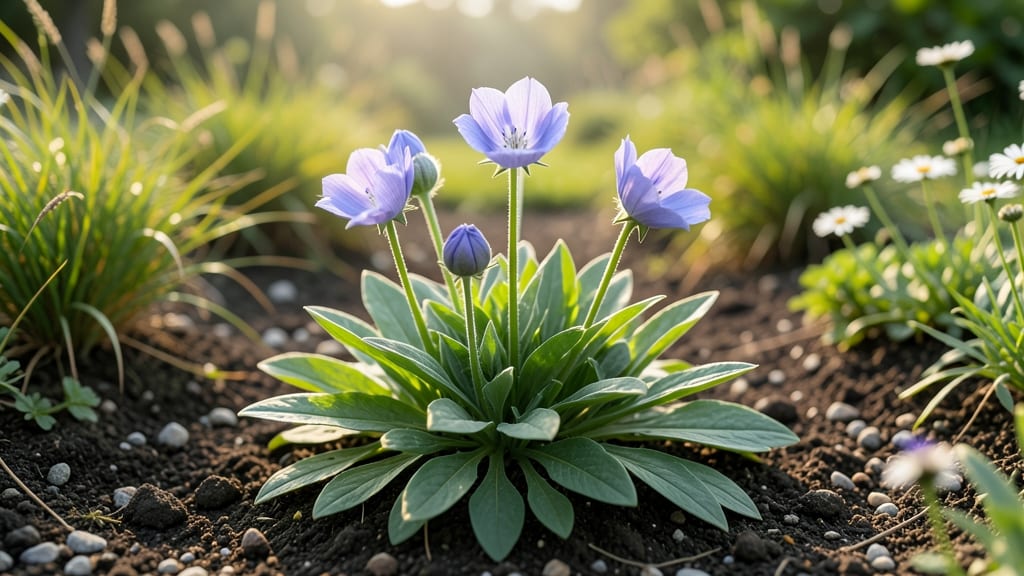
Balloon flowers 🌸 thrive in sun or shade—but nailing the light balance is the secret to those showstopping blooms you’ve been dreaming of.
Struggling to decide where to plant yours? These stunning perennials are more flexible than you think, but too much shade can leave them leggy and sparse, while scorching sun might burn their delicate petals.
Here’s the truth: most gardeners overlook how microclimates and seasonal sun shifts affect their plants. A spot that’s perfect in spring might turn harsh by summer, and that’s where the real magic happens.
In this guide, I’ll break down exactly how to read your garden’s light, which varieties handle shade best, and the simple tweaks that turn lackluster stems into a nonstop bloom machine.
 Best Window Placement
Balloon flower sun requirements: how much light for peak blooms?
If you're wondering how much sun your balloon flowers (Platycodon grandiflorus) truly need, the answer is more flexible than you might think. While they can handle partial shade, their brightest blooms and most vigorous growth happen with the right balance of sunlight.
Let's break down exactly what that means for your garden's specific conditions.
Balloon flowers are one of those versatile perennials that can adapt to different light scenarios, but their performance varies dramatically. In full sun (6+ hours daily), you'll see larger blooms and more abundant flowering.
However, in partial shade (3-6 hours), they'll still thrive—just with slightly smaller flowers and potentially more foliage growth. The key is understanding your local climate's sunlight patterns.
🌿
In coastal climates, where sunlight can be intense but also filtered by ocean mist, balloon flowers often perform best with morning sun and afternoon shade. This prevents leaf scorch while still providing enough light for vibrant blooms.
I've seen stunning displays in Pacific Northwest gardens where plants receive only 3-4 hours of direct sun during the peak summer months.
For inland gardens, especially in hot, dry regions like the Southwest, aim for afternoon shade if temperatures regularly exceed 90°F. The key is protecting those delicate balloon-shaped buds from wilting before they open.
A simple trick I use is planting them near taller perennials that provide natural shade during the hottest part of the day.
One of the first signs your balloon flowers aren't getting enough light is leggy stems with few blooms. You'll notice the plants stretching upward, trying to reach more sunlight, while the flower buds remain small and underdeveloped.
Another red flag is pale, sparse foliage that looks more like grass than healthy green leaves. If you see these symptoms, it's time to move your plants to a sunnier spot or supplement with a grow light during winter months.
🌸
Interestingly, balloon flowers actually close their buds on cloudy days or when light levels drop too much. This natural behavior helps conserve energy, but it also means they're highly responsive to their environment.
If you notice your plants consistently closing their buds before noon, they're likely not getting enough morning sunlight—a critical period for their daily energy intake.
For container growers, sunlight needs become even more critical since you can't easily move heavy pots. Place your balloon flower containers where they'll receive at least 4-6 hours of sunlight, preferably in the morning.
South-facing patios or balconies work beautifully, while north-facing spots may require supplemental light. I've had great success using reflective surfaces like white walls or mirrors to bounce extra light onto shaded areas.
Remember that seasonal light changes also affect your plants. What might be perfect partial shade in summer could become too little light in winter when days
Shade-tolerant balloon flower varieties: best choices for low-light gardens
If your garden has shady spots under trees or north-facing beds, don't despair—balloon flowers (Platycodon grandiflorus) can still thrive! Some shade-tolerant cultivars produce stunning blooms even with limited sunlight. The key is choosing the right variety for your microclimate and adjusting care slightly to maximize their potential.
While most balloon flowers prefer 4-6 hours of sun, certain varieties adapt beautifully to partial or full shade. These shade-lovers often feature larger flowers and darker foliage as adaptations to lower light.
Let's explore the top performers and how to coax the best blooms from them in challenging light conditions.
| Variety | Light Tolerance | Bloom Color | Flower Size | Height | Best For |
|---|---|---|---|---|---|
| 'White Pearl' | Partial shade to full shade | Pure white | 2-3 inches | 2-3 ft | Woodland gardens, under trees |
| 'Blue Moon' | Partial shade to light shade | Deep blue | 1.5-2.5 inches | 1.5-2.5 ft | North-facing beds, container gardens |
| 'Marine' | Partial shade to full sun | Soft lavender | 2 inches | 2-3 ft | Transition zones, dappled light |
| 'Hana Kiri' | Partial shade | Pink with white eye | 1.5 inches | 1.5-2 ft | Shady borders, patio containers |
'White Pearl' stands out as the most shade-tolerant option, producing abundant white blooms even in full shade conditions. This variety thrives under deciduous trees where other plants might struggle. Its compact growth habit makes it perfect for woodland gardens or as an understory plant.
For north-facing beds, 'Blue Moon' is an excellent choice with its deep blue flowers that contrast beautifully against darker foliage. This variety handles light shade well while still producing prolonged blooming seasons. Pair it with hostas or ferns for a lush, shady border.
If your garden has variable light conditions, consider 'Marine'—its lavender blooms adapt to both partial shade and full sun. This variety is particularly forgiving in transition zones where morning sun fades to afternoon shade.
To encourage blooms, add a light mulch of compost in spring to boost soil fertility.
For container gardening in shady spots, 'Hana Kiri' offers delicate pink blooms with minimal care. This variety stays compact and bushy, making it ideal for patio pots or hanging baskets in shaded areas.
Remember to use a well-draining potting mix with added organic matter to prevent root rot in containers.
When planting shade-tolerant balloon flowers, focus on rich, moist soil—these varieties need consistent moisture to compensate for lower light levels. Apply a 2-3 inch layer of mulch to retain soil moisture and regulate temperature.
With the right variety and care, your shady garden spots can become vibrant showcases of balloon flower beauty! 🌿🌸