
Planting
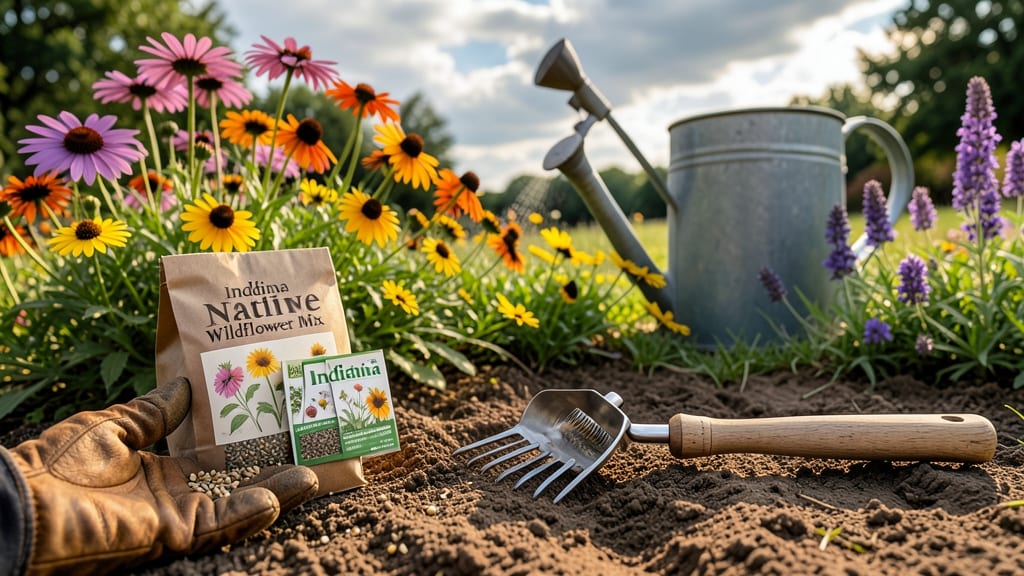
Planting wildflower seeds in Indiana at the right time means the difference between a vibrant meadow and a patch of dirt — and the best window is narrower than you think.
Indiana’s wildflower meadows burst with color, but timing your planting wrong can mean sparse blooms or wasted seeds. Whether you’re sowing black-eyed Susans in spring or coneflowers in fall, the frost-free window in USDA Zones 5b-6b is your secret weapon.
Most gardeners assume spring is the only option, but late summer planting often yields hardier blooms by letting seeds establish roots before winter. I’ll walk you through the exact months to plant, soil prep hacks for Indiana’s clay-heavy soil, and how to avoid the three biggest mistakes that kill germination.
By the end, you’ll know whether to grab those seeds in March or wait for August — and how to give your wildflowers 🌼 the perfect start for years of low-maintenance beauty.

Indiana’s ideal wildflower planting window by USDA Zone (6-7)
Timing your wildflower seeds correctly in Indiana’s USDA Zones 6-7 means the difference between a lush pollinator meadow and a patchy disappointment. The last spring frost typically arrives around mid-April, while the first fall frost hits in mid-October, leaving a narrow but critical window for success.
Most Indiana gardeners opt for early spring (March-April) planting when soil temperatures reach 40-60°F, or late summer/early fall (August-September) for a second chance. Each approach has trade-offs: spring planting risks late frosts, while fall planting must finish germination before winter sets in.
Native wildflowers like black-eyed Susans and purple coneflowers thrive when planted in well-prepared soil with minimal disturbance. Overworking clay-heavy Indiana soil can actually bury seeds too deep, reducing germination rates.
Here’s the exact planting window broken down by season, including soil temperature thresholds and frost-free dates:
For spring planting, aim to sow seeds 4-6 weeks before your last frost date. In Zone 6, this is typically late March, while Zone 7 gardeners can wait until early April. Use a soil thermometer to confirm temperatures—seeds need consistent warmth to germinate.
Fall planting offers a second chance for gardeners who missed spring. Sow seeds 6-8 weeks before your first frost (usually late August to early September). This method takes advantage of cool soil temperatures and reduced weed competition, but requires well-draining soil to prevent rot.
Indiana’s clay-heavy soils can be tricky—amend with compost or sand to improve drainage. Native species like wild bergamot and butterfly milkweed thrive in these conditions once established. Avoid tilling deeply, as wildflower seeds need light exposure to germinate.
After planting, maintain moist (not soggy) soil for the first 4-6 weeks. Once seedlings appear, reduce watering to once weekly unless experiencing drought. Mulch lightly with straw or leaves to retain moisture and suppress weeds without smothering delicate sprouts.
Remember: Patience is key. Wildflower meadows often take 2-3 years to reach full bloom potential. The first year may show sparse growth, but subsequent years reward gardeners with stunning pollinator-friendly displays from May through October. 🌼
Top 5 wildflower species for Indiana’s climate (planting months & care)
Indiana’s wildflowers thrive with the right timing and care, turning your yard into a pollinator paradise. The best time to plant wildflower seeds in Indiana depends on the species—some love spring’s gentle rains, while others prefer fall’s cooler soil.
Let’s dive into my top 5 native picks that bloom beautifully in USDA Zones 6-7.
For maximum blooms, pair each species with its ideal planting window and sunlight needs. Black-eyed Susans, for example, need full sun and early spring planting (March-April), while coneflowers prefer late summer/early fall (August-September). Let’s break down the details to help you plan like a pro.
🌱 Planting: March-April | Sun: Full sun | Height: 2-3 ft | Bloom: Summer-Fall
Scatter seeds after last frost when soil reaches 50°F. Water lightly daily until sprouts appear (7-14 days). Deadhead spent blooms to encourage reblooming.
🌼 Planting: August-September | Sun: Full sun | Height: 2-4 ft | Bloom: Mid-summer
Fall planting gives roots time to establish before winter. Press seeds lightly into soil (no deeper than ¼ inch) and mulch with straw to retain moisture.
✂️ Planting: April-May | Sun: Full sun | Height: 1-2 ft | Bloom: June-July
A drought-tolerant superstar! Plant seeds in well-draining soil and avoid overwatering. Divide clumps every 3-4 years to maintain vigor.
🌿 Planting: March-April or September | Sun: Full sun-part shade | Height: 2-4 ft | Bloom: Summer
Thrives in clay soil common in Indiana. Shear back by ⅓ after blooming to promote bushier growth. Attracts hummingbirds and bees!
☀️ Planting: April or September | Sun: Full sun | Height: 1-2 ft | Bloom: Spring-Fall
Self-seeds easily—let some stems stand for next year’s blooms. Deadhead to extend flowering season. Perfect for rock gardens or borders.
Each of these Indiana-native wildflowers offers unique benefits: butterfly weed supports monarchs, while coneflowers deter deer. For best results, mix species in your meadow—tall varieties like coneflowers (3-4 ft) can pair with shorter coreopsis (1-2 ft) for layered visual interest.
After planting, water deeply once a week for the first month to encourage root growth. Once established, most wildflowers need minimal care—just annual deadheading and occasional mulching.
Avoid fertilizers; these natives prefer lean, natural soil. With the right timing and a little patience, your Indiana meadow will burst with color year after year!
Pro tip: Mark your planting calendar now! Spring species (like black-eyed Susans) need to be in the ground by April 15, while fall favorites (like coneflowers) should go in by September 1 to establish roots before winter. Happy planting!