
Neem Oil
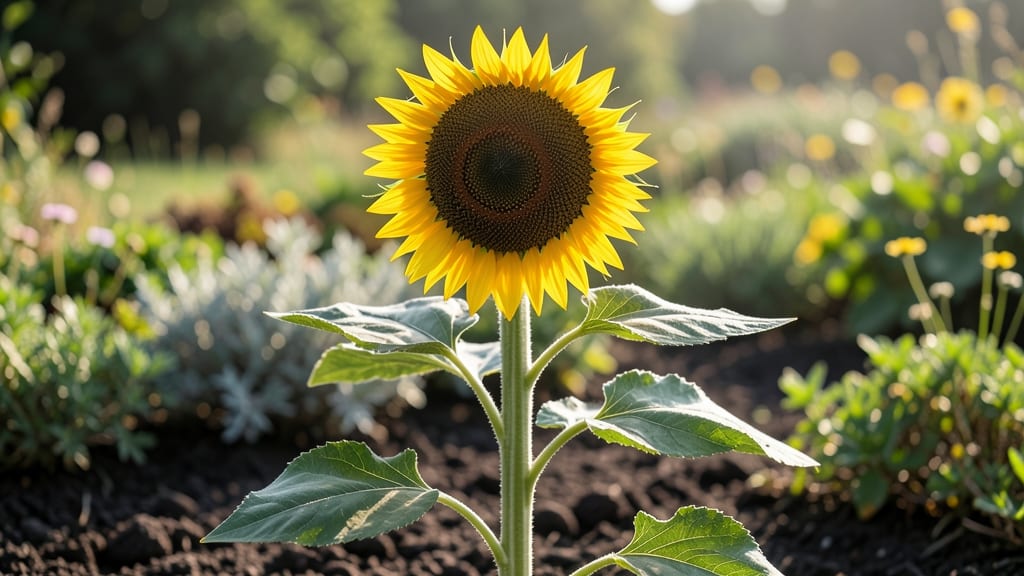
Tracking the Black Oil Sunflower growth stages 🌻 from sprout to harvest is the secret to a bountiful crop—and avoiding the heartbreak of stunted plants or wasted effort.
If you’ve ever planted seeds only to watch them bolt too fast or flowers drop before setting seed, you’re not alone. The difference between a thriving Black Oil Sunflower and a disappointment often comes down to knowing exactly when to expect key milestones.
From the first true leaves to the moment seeds rattle inside a dried head, each stage has its own care needs—watering shifts, sunlight demands, and even fertilizer tweaks.
This guide breaks down the height progression, days to maturity, and visual cues so you can monitor progress like a pro.
You’ll learn how to troubleshoot delays, spot common issues early, and even leverage these sunflowers as a pollinator powerhouse. Let’s turn your garden into a Black Oil Sunflower success story, stage by stage.


Black Oil Sunflower growth stages by days: seed to harvest timeline
Understanding the black oil sunflower growth stages transforms your garden from guesswork to precision. These fast-growing annuals follow predictable milestones—from a tiny seed to towering 6-12 foot stalks—when given the right conditions.
Tracking these stages helps you anticipate needs like watering adjustments or pollinator support at exactly the right time.
Each stage reveals critical clues about your plant's health. For example, germination delays often signal cold soil, while stunted vegetative growth may mean insufficient sunlight. By recognizing these visual cues early, you can troubleshoot before problems escalate.
Let's break down the complete timeline from seed to harvest, including height progression and environmental factors that influence each phase.
| Stage | Days to Complete | Height Range | Key Visual Cues | Critical Care |
|---|---|---|---|---|
| Germination | 5-14 days | 0-2 inches | Cotyledons emerge (first true leaves) | Keep soil moist, 50°F+ |
| Vegetative Growth | 30-50 days | 6-36 inches | Rapid stem elongation, 6-12 leaves | Full sun, balanced fertilizer |
| Flowering | 10-14 days | 3-5 feet | Bud opens, yellow center appears | Increase water, support tall stems |
| Seed Maturation | 45-60 days | 5-12 feet | Back of head turns yellow, seeds rattle | Reduce water, harvest before birds do |
The germination stage begins when you plant seeds 1 inch deep in well-draining soil at 50°F or warmer. Most seeds sprout within 5-14 days, though cold soil can delay this by weeks.
During this time, maintain consistent moisture—never let the soil dry out completely. A simple trick is to place a clear plastic dome over seedlings until they emerge, which creates a humid microclimate.
Once seedlings emerge, you'll notice cotyledons (the first leaves) appear within 3-7 days. These are followed by true leaves (the second set) within another week. This marks the start of the vegetative growth stage, where your sunflower will grow 1-2 inches per day under ideal conditions.
During this 30-50 day phase, focus on providing full sun exposure (6+ hours daily) and balanced fertilizer every 4-6 weeks.
The transition to flowering stage is dramatic—buds form at the top of the stem and open within 10-14 days. You'll know it's time when the yellow center becomes visible and the petals begin unfurling.
This is also when pollinators like bees and butterflies become essential, as they transfer pollen to produce seeds. If you notice fewer visitors, consider planting companion flowers like marigolds nearby to attract more pollinators.
After flowering, the plant enters the seed maturation phase, which lasts 45-60 days. The most obvious sign is the back of the seed head turning yellow, followed by the seeds rattling when shaken.
This phase requires careful monitoring—overwatering can cause the heads to split, while underwatering may reduce seed quality. Harvest when the seed head feels dry and papery to the touch, usually
Black Oil Sunflower height progression: stage-by-stage measurements
Tracking the height progression of your black oil sunflowers helps you anticipate growth milestones and adjust care accordingly. These towering beauties grow rapidly, but their development follows predictable stages—each with distinct height markers and visual cues to guide you.
Whether you're growing standard varieties (8–12 ft) or dwarf types (3–5 ft), knowing these measurements ensures you provide the right support and timing for optimal harvest.
From the first seedling sprouts to the mature seed head, I’ll break down the exact height expectations at each stage, along with leaf structure and stem thickness to help you identify progress accurately.
This stage-by-stage guide also highlights how environmental factors like sunlight and soil can influence growth rates, so you can troubleshoot delays early.
- 1 Germination (Days 5–14): 0–2 inches. Tiny cotyledon leaves (first true leaves) appear, and stems are thin and hairy. Seedlings need consistent moisture to avoid damping-off.
- 2 Seedling (Weeks 2–4): 6–12 inches. First true leaves (lance-shaped, 4–6 inches long) emerge, and stems thicken slightly. Dwarf varieties may stay compact here, while standards shoot up faster.
- 3 Vegetative Growth (Weeks 4–8): 3–5 feet. Rapid stem elongation occurs, with rough, jagged leaves (6–12 inches long). Standard varieties may reach 6 feet by Week 6 if conditions are ideal.
- 4 Bud Formation (Weeks 8–10): 5–7 feet. Flower buds (green, 2–4 inches wide) form at the top. Leaves near the bud shrink slightly, signaling the shift to flowering. Stems thicken significantly here.
- 5 Flowering (Weeks 10–12): 6–10 feet. Bright yellow petals open fully, and the central disk (seed head) becomes visible. Dwarf varieties max out at 4–5 feet here, while standards may tower 10+ feet in ideal conditions.
- 6 Seed Maturation (Weeks 12–16): 6–12 feet. Petals wilt and fall, leaving the brown seed head. Seeds rattle when shaken—time to harvest! Stems may lean under seed weight; stake if needed.
Pro tip: Use a measuring tape or ruler to track height weekly, especially during the vegetative stage when growth accelerates.
If your sunflowers stall at 3 feet or develop thin stems, check for nutrient deficiencies or overcrowding. Dwarf varieties like 'Moulin Rouge' stay under 5 feet, while standard types like 'Russian Giant' can exceed 12 feet—so choose your variety wisely based on space!
Understanding these height milestones also helps you plan for pollinator support. By the time your sunflowers reach 5 feet, they’ll attract bees, butterflies, and birds, boosting your garden’s biodiversity. Just ensure you stake tall varieties early to prevent toppling during storms.