
Flowers
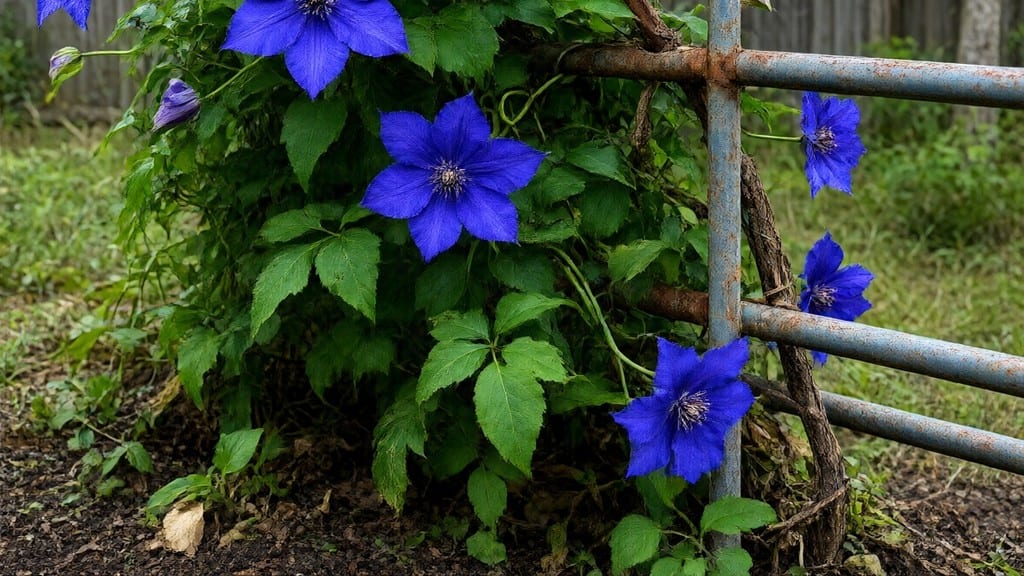
Growing blue flowered clematis 🌸 transforms your garden into a sky-blue dream—if you nail the right pruning and care timing.
Picture this: your trellis draped in vibrant blue blooms from spring through fall, but only if you prune at the right time and give it the support it craves. I’ve watched mine flop dramatically when I ignored these basics, and trust me, you don’t want that.
With 6+ hours of sun and soil that drains like a dream, these climbing stars thrive in USDA Zone 6a and beyond. The key? Planting the crown just 4-6 inches deep to shield it from temperature swings—something most gardeners get wrong.
Below, I’ll walk you through the exact pruning schedule by clematis group, the best varieties for blue blooms, and how to keep them lush without overwatering or fertilizing.
How to prune blue flowered clematis for maximum blooms
Pruning blue flowered clematis is the secret to unlocking year-round blooms and keeping your vines healthy. These stunning plants bloom on old wood, new wood, or both, depending on the clematis group.
Knowing which group yours belongs to—and when to prune—will transform your garden from a one-season spectacle to a continuous blue bloom machine.
Clematis are divided into three pruning groups, each requiring a different approach. Group 1 blooms on previous year’s growth, Group 2 blooms on both old and new wood, and Group 3 blooms only on current year’s growth.
Mispruning can mean fewer blooms or even dead vines. Let’s dive into the step-by-step pruning guide tailored for your blue clematis varieties, whether it’s ‘Perle d’Azur’, ‘Blue Angel’, or ‘Jackmanii’.
Step-by-Step Pruning Guide for Blue Flowered Clematis
Check your plant’s bloom time and growth habit. Group 1 blooms in early spring on old wood, Group 2 blooms twice a year, and Group 3 blooms in late summer on new wood.
Use clean, sharp pruners (sterilized with rubbing alcohol), gloves, and disinfectant to prevent disease spread. Avoid dull tools that tear stems.
Trim after flowering (late summer). Cut back dead or weak stems to healthy buds, leaving 2-3 strong stems. Never remove more than 1/3 of the plant.
Prune twice a year: lightly after first bloom (remove spent flowers) and heavily in late winter (cut back 1/3 of old wood to encourage new growth).
Prune hard in late winter (cut back to 12-18 inches from the base). This removes old wood and stimulates vigorous new growth for summer blooms.
Remove all debris and sterilize tools. Install or adjust support structures (trellis, arbor) to guide new growth upward. Mulch around the base to retain moisture.
Apply a balanced fertilizer (10-10-10) 4-6 weeks after pruning to encourage strong new growth. Avoid high-nitrogen fertilizers, which promote leafy growth over blooms.
Watch for new shoots in spring. If growth is weak or sparse, adjust pruning next year. Blue clematis thrive with consistent care, so stay vigilant!
Timing is everything when pruning blue clematis.
For Group 1 varieties like ‘Perle d’Azur’, wait until late summer after blooms fade to avoid cutting off next year’s flowers. Group 3 plants, such as ‘Jackmanii’, can handle a hard prune in late winter because they bloom on new wood—this is your chance to shape the vine and encourage dense foliage.
One of the most common mistakes is over-pruning. I’ve seen gardeners trim back 90% of the plant, leaving almost nothing. This stresses the clematis root system and can result in fewer blooms or even vine death.
Stick to the group-specific guidelines and never remove more than 1/3 of the plant in a single pruning session. Your blue clematis will reward you with lush, vibrant blooms all season long.
After pruning, give your clematis vines the support they need. Install a trellis, arbor, or obelisk to guide the new growth upward. This not only keeps the plant organized and healthy but also prevents stem breakage from heavy blue flowers.
Pair your clematis with complementary plants like roses or lavender to create a stunning garden display.
Finally, don’t forget to <
Best growing conditions for blue flowered clematis varieties
Blue flowered clematis varieties like 'Jackmanii', 'Perle d’Azur', and 'Blue Angel' thrive when their unique needs are met. These stunning vines demand specific sunlight, well-draining soil, and consistent moisture to reward you with vibrant blue blooms all season.
Without proper conditions, even the hardiest varieties can struggle with wilting or disease. Let’s break down exactly what your blue clematis needs to flourish.
First, sunlight is non-negotiable for blue clematis. Most varieties require 6-8 hours of direct sun daily, though some tolerate partial shade. 'Perle d’Azur', for example, can handle morning sun and afternoon shade, while 'Jackmanii' demands full sun to produce its iconic deep blue blooms.
Planting in the wrong light conditions often leads to leggy growth and fewer flowers, so choose a spot carefully.
| Variety | Sunlight Needs | Soil Type | Water Needs | Support Type |
|---|---|---|---|---|
| 'Jackmanii' | Full sun (6-8 hrs) | Well-draining, fertile | Deep weekly soak | Trellis or arbor |
| 'Perle d’Azur' | Partial shade (AM sun) | Moist, humus-rich | Consistent moisture | Obelisk or fence |
| 'Blue Angel' | Full sun to partial shade | Slightly alkaline | Moderate watering | Strong trellis |
For soil, blue clematis prefers well-draining, fertile soil with a slightly alkaline pH (6.5-7.5). Amend heavy clay with compost or sand to prevent root rot, while sandy soils benefit from organic matter like aged manure or leaf mold.
Mulch around the base with wood chips to retain moisture and regulate soil temperature, especially in hot climates.
Watering is another critical factor. Deep, infrequent watering encourages strong root growth, while shallow watering leads to weak stems and floppy vines. Aim for 1-2 inches of water per week, adjusting for rainfall.
In summer, water early in the morning to reduce evaporation and fungal risks. Avoid wetting the foliage to prevent powdery mildew, a common issue in humid climates.
No blue clematis can thrive without proper support. These vigorous vines need a strong trellis, arbor, or fence to climb. Install support at planting to avoid damaging roots later.
For varieties like 'Jackmanii', choose a vertical structure that can handle 15+ feet of growth. Secure vines gently with soft ties to prevent stem damage as they grow.
Seasonal care is key to preventing wilting or disease. In spring, apply a balanced fertilizer (10-10-10) to encourage new growth. During summer, prune spent blooms to promote continuous flowering.
In fall, reduce watering but keep soil moist. Winter care involves mulching heavily and protecting young plants from freeze-thaw cycles.