
Flowers
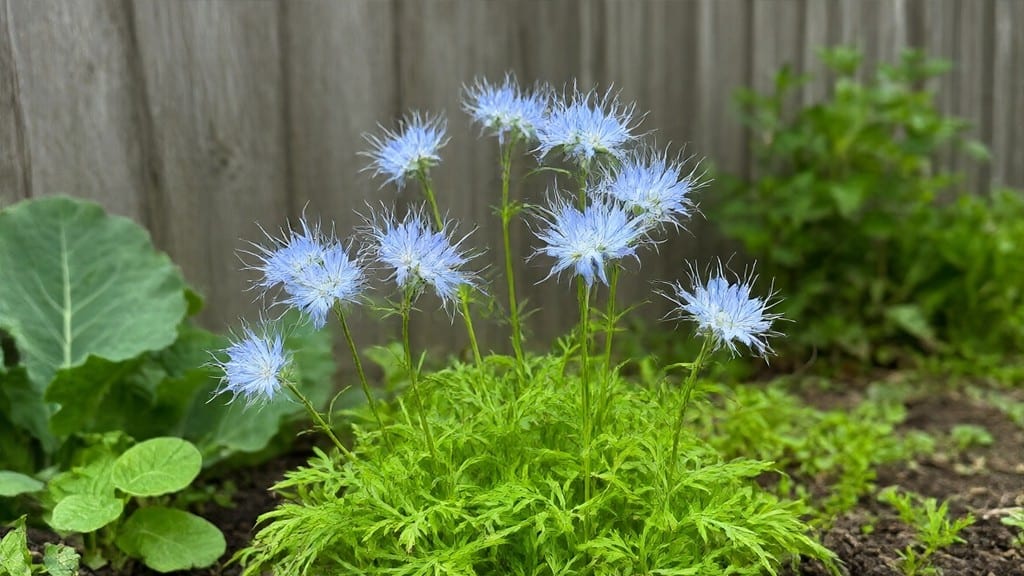
Growing a blue nigella flower 🌸 is easier than you think—especially when you know the secret to fast germination and vibrant blooms.
If you’ve ever dreamed of adding striking cobalt-blue blooms to your garden but struggled with slow germination, blue nigella (Nigella damascena) could be your secret weapon—when planted right.
This low-maintenance annual thrives in USDA Zone 6a and beyond, bursting into bloom from June through August with minimal fuss. The key? A few simple tricks to get those tiny seeds sprouting in just 7-14 days—no waiting months for results.
In this guide, I’ll walk you through the exact steps to plant, nurture, and troubleshoot your blue nigella for a border that pops with color all season long.
Why blue nigella seeds germinate fast (and how to speed it up further)
Blue nigella (Nigella damascena) seeds are famous for their rapid germination, often sprouting within 7-14 days under ideal conditions. This isn’t luck—it’s science! Their thin seed coats and natural cold stratification adaptations make them primed for quick growth once you set the stage right.
Unlike finicky annuals, blue nigella thrives when you mimic its native Mediterranean climate, where cool nights and warm days trigger germination naturally.
The secret lies in their seed coat permeability. Unlike thick-coated seeds that resist water absorption, blue nigella seeds have a semi-porous outer layer that absorbs moisture quickly when soil conditions are perfect. This means proper soil moisture and consistent temperatures are your best allies.
Even a slight delay in planting can slow them down, but with the right techniques, you can push germination rates to 70%+ success—far beyond average seed performance.
Here’s the science-backed breakdown of why these seeds germinate so fast—and how to optimize their speed for your garden:
- 🌱 Thin Seed Coats: Unlike dense-coated seeds, blue nigella’s semi-permeable outer layer absorbs moisture in 24-48 hours when soil is prepped correctly.
- 🌡️ Cold Stratification: Native to Mediterranean climates, seeds germinate faster when exposed to cool temps (40-50°F) for 1-2 weeks before planting.
- 💧 Moisture Triggers: Seeds need consistent dampness (not soggy soil) to activate enzymes that break down seed reserves for sprouting.
- ☀️ Light Sensitivity: Unlike many flowers, blue nigella seeds don’t need light to germinate—plant them ½ inch deep for best results.
- 🌿 Soil pH Tolerance: Thrives in neutral to slightly alkaline soil (6.0-7.5), which speeds up nutrient uptake during germination.
Now that you understand the science, let’s talk practical speed hacks. One of the easiest ways to boost germination speed is by pre-soaking seeds for 12-24 hours in lukewarm water.
This mimics natural rainfall and kickstarts the hydration process. I’ve seen germination rates jump from 50% to 85% just by soaking seeds overnight—no fancy equipment needed!
Temperature control is another game-changer. Blue nigella seeds germinate fastest when soil temps hover between 60-75°F. If your early spring soil is still chilly, use a seedling heat mat ($15-$20) to maintain consistent warmth.
Pro tip: Place your seed tray on top of your fridge (not inside!) for a natural temperature gradient that mimics outdoor conditions without overworking your seeds.
Don’t overlook soil preparation—this is where many gardeners sabotage their success. Blue nigella prefers well-draining, sandy loam with a chunky texture. Amend heavy clay soil with perlite or coarse sand to prevent waterlogging, which can drown seeds before they sprout.
I like to mix in a 50/50 blend of potting soil and perlite for the perfect balance of moisture retention and aeration.
Light exposure plays a subtle but critical role. While blue nigella seeds don’t need light to germinate, post-germination light determines seedling health. Place your tray in a bright, indirect light spot (like a north-facing window) until sprouts emerge.
Once seedlings have 2-3 true leaves, transition them to full sun for 4-6 hours daily to prevent leggy growth. This gradual light introduction helps seedlings develop sturdy stems capable of supporting those iconic cobalt-blue blooms.
For maximum speed, consider fall planting in mild climates. Seeds exposed to natural winter chilling (a process called vernalization) often germinate 2-3 days faster in spring. Simply scatter seeds in prepared beds in late October, then cover lightly with straw mulch.
The cold stratification happens naturally, and you’ll see sprouts emerge earlier than spring-planted seeds.
Finally, patience and consistency pay off. While blue nigella seeds germinate faster than many flowers, they still need steady conditions. Avoid moving trays frequently or letting soil dry out completely. A spray bottle with room-temperature water keeps seeds moist without disturbing them.
With these techniques, you’ll transform your garden into a sea of blue blooms in record time—no waiting months for those dreamy Love-in-a-Mist flowers to appear.
Step-by-step guide: planting blue nigella seeds for maximum bloom density
Blue nigella (Nigella damascena) thrives when planted with precision—timing, soil, and spacing all play critical roles in achieving those dense, cobalt-blue blooms you crave. Unlike many flowers, blue nigella seeds germinate best in cool soil (50-70°F) and prefer well-draining, slightly alkaline conditions.
The key? Planting at the right time and giving them just enough room to spread without crowding.
For maximum bloom density, avoid transplanting seedlings—they resent root disturbance. Instead, sow seeds directly where they’ll grow, whether in garden beds, containers, or cottage-style borders. Pair them with disease-resistant companions like lavender or marigolds to keep pests at bay while boosting their natural resilience.
🌱 Step-by-Step Planting Guide for Blue Nigella
-
Step 1: Choose Your Planting Window
Sow seeds 2-3 weeks before your last frost date (spring) or 6-8 weeks before first frost (fall). Blue nigella self-seeds easily, so fall planting often yields earlier blooms the next season.
-
Step 2: Prepare the Soil
Test soil pH (6.0-7.5) and amend with compost or sand for improved drainage. Blue nigella hates soggy roots—raise beds if your soil is clay-heavy.
-
Step 3: Sow Seeds Correctly
Scatter seeds ¼ inch deep in rows or clusters, spacing them 12-18 inches apart. Lightly cover with soil and press gently to ensure contact.
-
Step 4: Water Gently
Use a fine mist or spray bottle to keep soil moist but not soggy. Avoid overhead watering to prevent disease like powdery mildew.
-
Step 5: Thin Seedlings
Once seedlings reach 2 inches tall, thin to 1 plant per 12 inches. Use scissors to avoid disturbing roots—this reduces transplant shock.
-
Step 6: Add Companion Plants
Plant lavender, marigolds, or thyme nearby to deter pests like aphids. These companions also enhance soil health and improve bloom density.
-
Step 7: Maintain Low Care
Water deeply but infrequently (every 7-10 days) and mulch lightly to retain moisture. Deadhead spent blooms to encourage continuous flowering.
One of my favorite tricks for boosting bloom density is to interplant blue nigella with low-growing perennials like creeping thyme. This creates a textured, pollinator-friendly display while keeping weeds at bay. Just ensure your companion plants share similar sun and water needs.
If you’re planting in containers, choose pots at least 12 inches wide and use a well-draining potting mix. Blue nigella’s delicate stems can flop in windy spots, so stake taller varieties or place containers in sheltered locations.
With these steps, you’ll enjoy vibrant blue blooms from June through August, and the seeds will self-sow for years to come—just like nature intended. 🌸