
Shrubs
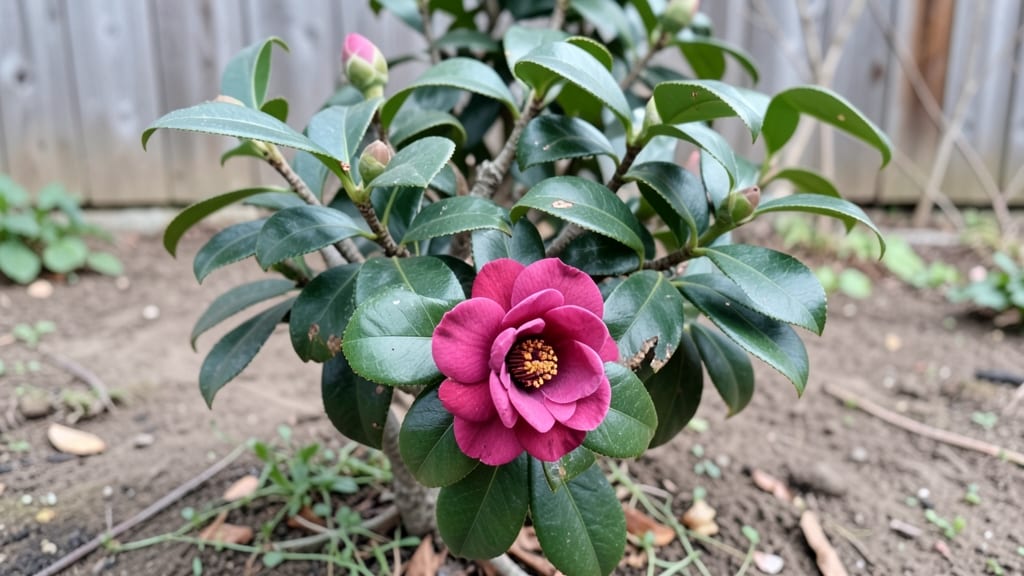
Growing a thriving camellia flower tree 🌸 means unlocking a garden showstopper that blooms in winter and stays lush year-round—but most gardeners miss the key steps that make the difference.
Picture this: You plant your camellia in spring, expecting vibrant blooms by winter, only to watch it struggle with yellowing leaves or sparse flowers. The truth? These evergreens thrive in USDA Zones 7-10 when given the right soil, light, and timing.
Skip these basics, and even the hardiest varieties will fight you every step of the way.
From picking the perfect spot to feeding it just enough (without overdoing it), this guide covers the exact care routine that turns a struggling camellia into a decade-long garden star. No guesswork—just proven techniques for blooms that last.
Ready to transform your camellia from "ho-hum" to "wow"? Here’s how to set it up for success from day one.
Camellia flower tree varieties: choosing the best for your climate and blooms
Selecting the right camellia flower tree depends on your USDA hardiness zone and preferred bloom season. These evergreen shrubs offer year-round interest with glossy leaves and stunning flowers, but each variety has unique traits.
Whether you crave winter blooms or fragrant spring flowers, there’s a camellia perfect for your garden’s climate and style.
Camellias generally fall into three main categories: Japanese camellias, Sasanqua camellias, and hybrid varieties. Each thrives in different conditions and delivers distinct bloom times, from late fall to early spring.
Understanding these differences helps you choose a variety that aligns with your local frost dates and sunlight exposure.
Japanese camellias, like the ‘Yuletide’ or ‘Winter’s Star’, are prized for their large, showy blooms that appear in winter and early spring. They’re ideal for USDA Zones 7-10 and prefer partial shade, making them perfect for coastal gardens or shaded landscapes.
Their fragrant flowers come in shades of pink, red, and white, adding elegance to any yard.
Sasanqua camellias, such as ‘Bonanza’ or ‘Yuletide’, bloom later in the season—from fall to early winter. These varieties are more cold-hardy and can thrive in Zones 7-9, making them excellent choices for northern gardens.
Their smaller, clustered flowers offer a delicate charm and often release a light, sweet fragrance.
Hybrid camellias, like the ‘Spring’s Promise’ or ‘Donation’, combine the best traits of both types, offering prolonged bloom seasons and improved disease resistance.
These hybrids are versatile and can adapt to a wider range of growing conditions, from full sun to partial shade, as long as they receive acidic, well-draining soil.
| Variety | Bloom Season | Hardiness Zones | Color Palette | Fragrance | Mature Height |
|---|---|---|---|---|---|
| Japanese Camellia | Winter-Spring | 7-10 | Pink, Red, White | Strong, Sweet | 6-15 ft |
| Sasanqua Camellia | Fall-Winter | 7-9 | White, Pink, Red | Light, Sweet | 6-10 ft |
| Hybrid Camellia | Winter-Spring | 7-10 | Multi-color | Moderate | 8-12 ft |
When choosing a camellia flower tree, consider your local climate and how long you want to enjoy seasonal blooms. For example, if you live in Zone 8 and want winter color, a Sasanqua camellia like ‘Bonanza’ will thrive and provide early-season interest.
In contrast, a Japanese camellia like ‘Winter’s Star’ offers longer-lasting blooms but may need winter protection in colder zones.
Fragrance is another key factor. If you love scented gardens, opt for varieties like ‘Yuletide’ (Sasanqua) or ‘Donation’ (hybrid), which release a delicate, sweet aroma that fills the air during bloom season. For a low-maintenance option, hybrids often require less pruning and pest control than traditional varieties.
Don’t overlook mature size when selecting your camellia. Dwarf varieties, like ‘Spring’s Promise’, stay under 6 feet tall and are perfect for small gardens or containers.
Larger varieties, such as ‘Yuletide’, can reach 10 feet or more, making them ideal for privacy screens or focal points in larger landscapes.
To ensure your camellia thrives, plant it in well-draining, acidic soil (pH 5.0-6.0) and provide morning sun with afternoon shade. Mulch around the base to retain moisture and cool roots, especially during hot summer months.
With the right variety and care, your camellia will reward you with vibrant blooms and lush foliage for decades.
Experiment with different varieties to find the perfect fit for your garden. Whether you prioritize early blooms, fragrance, or disease resistance, there’s a camellia that will bring year-round beauty to your outdoor space. 🌸🌿
Year-round camellia care: soil, water, and pruning secrets for longevity
Your camellia flower tree thrives when you mimic its natural acidic, moist environment. The key to year-round blooms starts with soil pH between 5.0-6.0—too alkaline, and your plant will struggle to absorb nutrients.
I’ve found that amending clay soil with sulfur or peat moss makes all the difference for my Zone 8 camellias. Even a small pH shift can mean fewer blooms next season.
Watering is where many gardeners go wrong. Camellias hate soggy roots but also despise drought stress. I water mine deeply once a week during summer, using 1-2 gallons per watering to encourage deep root growth.
In winter, I reduce to monthly waterings unless we have a dry spell. The morning hours are ideal—watering at night invites fungal diseases like petal blight.
⚠️
Never prune in late summer or fall—this removes next year’s flower buds that form in late summer/early fall. I prune my Sasanqua camellias right after blooming (spring) to shape the plant, but I never cut into old wood—this kills future blooms. For Japanese camellias, wait until after all flowers drop in late spring.
Seasonal pruning is your secret weapon for longevity. In early spring, I remove dead or crossing branches to improve airflow. For heavy bloomers, I thin out 10-20% of old wood to reduce weight stress.
My 15-year-old camellia now has a balanced canopy that supports hundreds of blooms each winter. The key is patience—never rush pruning.
Winter care often gets overlooked, but protecting your camellia from freezing winds and frost is crucial. I wrap young plants in burlap and add 3 inches of mulch around the base. For mature trees, a lightweight frost cloth over blooming branches prevents bud damage.
In Zone 7, I’ve lost entire blooms to sudden freezes, so I now monitor weather forecasts closely.
Reviving a stressed camellia starts with soil checks. Yellow leaves? Likely iron deficiency from alkaline soil. I treat mine with chelated iron in early spring. Dropping buds often means overwatering or transplant shock.
If your plant looks wilting despite moist soil, it may be root-bound—time to repot or prune roots. I’ve brought back several struggling camellias by adjusting water schedules and adding organic matter.
For maximum longevity, combine these habits: test soil pH yearly, water deeply but infrequently, and prune strategically. My 30-year-old camellia still blooms like a teenager because I’ve followed these rules religiously.
With consistent care, your camellia flower tree will reward you with decades of beauty—not just seasons. 🌸