
Companion Plants
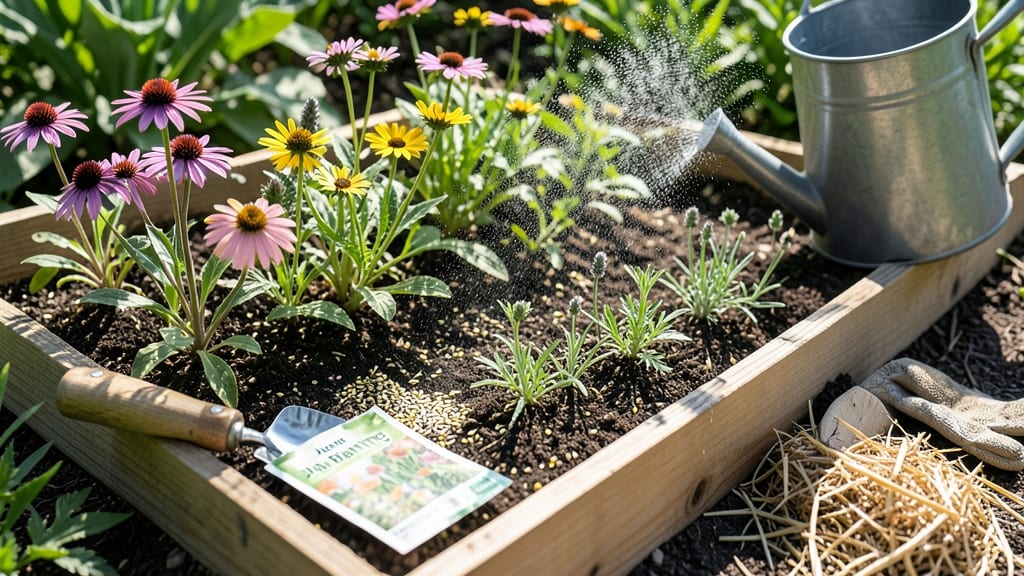
Planting wildflower seeds in June can still yield fast blooms if you choose the right species and prep the soil correctly 🌼 — but there’s a catch that most gardeners overlook.
June’s warm weather might seem like the perfect time to plant wildflowers—but is it too late for a vibrant late-summer garden? The answer isn’t as simple as you think, and timing could make the difference between a thriving meadow and a patchy disappointment.
While traditional planting windows are spring or fall, June works for drought-tolerant annuals like cosmos or zinnias, which germinate quickly in heat. The key? Skipping heavy soil prep and focusing on light, frequent watering to keep seeds from drying out.
Below, I’ll walk you through the best wildflower varieties for June, soil tricks to boost germination, and how to avoid the two biggest mistakes that kill late-season blooms.

June wildflower planting: what science says about late-summer success
June might feel like the perfect time to plant wildflowers with its warm temperatures and long daylight hours, but seed dormancy and regional climate zones play critical roles in late-summer success.
Many wildflower seeds require cool stratification—a process where seeds experience cold temperatures to break dormancy—making spring or fall planting ideal. However, some species thrive when planted in June, especially in warmer USDA zones (7-10) where summer heat isn't extreme.
Botanically, wildflowers planted in June can still establish roots and bloom by late summer if given the right conditions. The key lies in understanding how your local climate and wildflower species interact.
For example, annual wildflowers like cosmos or zinnias germinate quickly and bloom fast, while perennials like black-eyed Susans may need more time to establish before winter.
The USDA hardiness zone where you live determines whether June planting is viable. In cooler zones (3-6), June can be risky due to heat stress or early frost threats.
Meanwhile, Southern states (8-10) often see successful June plantings because the growing season extends longer. Always check your zone and compare it to the wildflower seed packet recommendations.
| Factor | June Planting Viability | Best Practices |
|---|---|---|
| USDA Zones 3-6 | Low (high risk of heat stress) | Choose fast-germinating annuals; mulch heavily |
| USDA Zones 7-10 | High (ideal for late blooms) | Plant drought-tolerant perennials; water deeply |
| Pacific Northwest | Moderate (cool summers) | Use shade-tolerant species; extend season with row covers |
| Southwest Deserts | Very High (arid conditions) | Select native species; avoid overwatering |
| Seed Dormancy | Variable (species-dependent) | Pre-soak seeds if packet suggests; test germination |
Wildflowers planted in June can still establish roots if the soil remains moist and temperatures aren’t extreme. Annuals like cosmos and marigolds often germinate within 7-14 days and can bloom by late summer, providing instant color.
In contrast, perennial wildflowers may take longer to show results but offer multi-year blooms if planted correctly. The key is selecting species that align with your local growing season.
Regional variations matter more than you might think. In the Pacific Northwest, June planting can work well for cool-season wildflowers like lupines, which tolerate mild summer temperatures. Meanwhile, in Southern states, June is prime time for heat-loving natives like blanket flower or coreopsis.
Always research native wildflowers for your area—they’re adapted to local conditions and require less maintenance.
One common misconception is that June planting is "too late" because it’s not spring. However, wildflowers planted in late summer can still thrive if you prepare the soil properly. Loosen the top 2-3 inches of soil to improve aeration and water retention.
Adding a light layer of compost boosts nutrients without overwhelming young seedlings. Avoid heavy fertilizers, which can burn tender roots.
Watering is another critical factor. Newly planted wildflower seeds need consistent moisture to germinate, but once established, many species are drought-tolerant. Water deeply 2-3 times per week until seeds sprout, then taper off to once weekly once they’re established.
Morning watering is best to reduce evaporation and prevent fungal diseases.
If you’re planting in June, focus on fast-blooming annuals for immediate results. Species like cosmos, zinnias, and sunflowers germinate quickly and can flower within 6-8 weeks.
For a longer-lasting display, mix in perennials like black-eyed Susans or coneflowers, which may take longer to establish but reward you with years of blooms.
Don’t forget to protect your new plantings from pests and weeds. A light mulch of straw or wood chips helps retain moisture and suppress weeds without smothering seeds. If birds or squirrels are a problem, consider using bird netting until seeds germinate.
With the right approach, your June-planted wildflowers can transform your garden into a late-summer paradise.
Ultimately, the success of June wildflower planting depends on your climate, seed selection, and careful maintenance. While it’s not the traditional spring planting window, June offers a unique opportunity to extend your blooming season and attract pollinators like bees and butterflies.
With the right species and conditions, you’ll be rewarded with a vibrant, low-maintenance garden that thrives well into autumn.
Best wildflower species for June planting: fast-blooming varieties that thrive late
June might feel like the end of the planting season, but some wildflowers actually thrive when sown this late. The key is choosing fast-growing annuals and heat-tolerant perennials that can establish roots before summer’s peak. These varieties skip the traditional spring window and deliver bold color from midsummer through fall.
If you’re aiming for a low-maintenance garden with minimal watering, focus on drought-resistant species. Many wildflowers native to your region already adapt to hot, dry conditions, making June planting both practical and rewarding.
Let’s explore the top performers that will reward you with vibrant blooms just when your garden needs them most.
For instant color, pair cosmos and zinnias with black-eyed Susans or coneflowers. These combinations create a textured meadow that blooms from midsummer through fall. If you’re in a dry climate, prioritize native species like blazing star, which require minimal water once established.
Pro tip: Mix fast annuals (like cosmos) with slow-starting perennials (like coneflowers). This ensures continuous blooms while you wait for perennials to mature. Mulch lightly after planting to retain moisture and suppress weeds without smothering young seedlings.
June planting isn’t just about filling gaps—it’s about creating a late-summer spectacle. With the right species, you’ll enjoy vibrant blooms when many gardens are winding down. Start with these top performers, and watch your wildflower patch transform into a pollinator paradise by July! 🌻