
Propagation
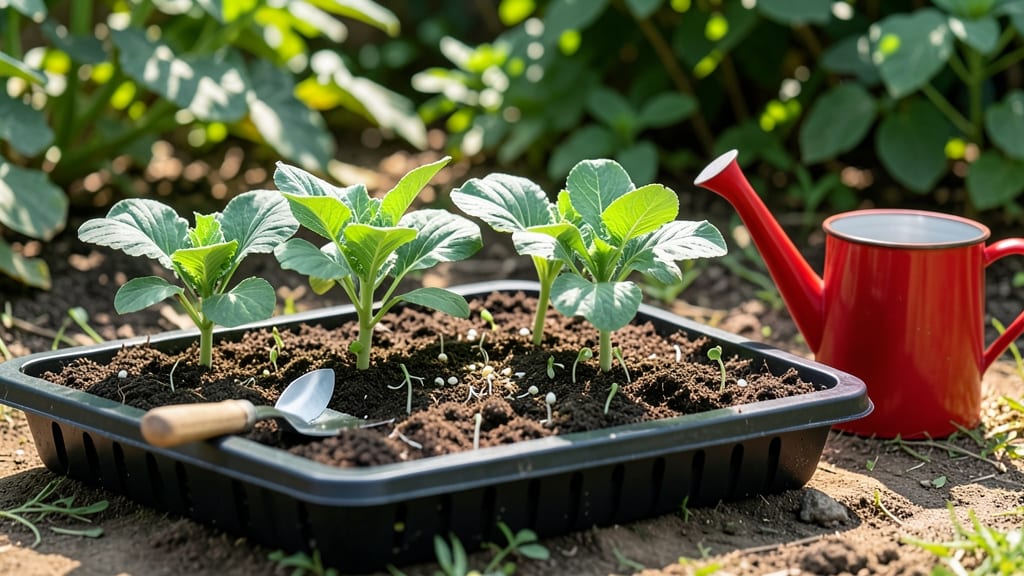
The cauliflower germination time takes 7-14 days under ideal conditions, but with the right tricks, you can cut that time to just 5-7 days—and avoid the frustration of waiting weeks for those first green shoots to appear.
If you’ve ever stared at a tray of damp soil hoping for progress, only to see nothing but disappointment, you’re not alone. The secret isn’t just patience—it’s knowing the exact temperature, moisture balance, and even light exposure that turn a stubborn seed into a thriving sprout.
Here’s the game-changer: pre-soaking seeds, using a heat mat, and keeping soil consistently warm can shave days off germination. But get it wrong—like overwatering or letting the soil cool—and you’ll end up with mold or rotted seeds instead of seedlings.
In this guide, I’ll walk you through the science-backed steps to speed up germination, troubleshoot common delays, and ensure your 🥬 cauliflower starts strong—so you’re not left waiting months for harvest.
Understanding cauliflower germination time: what to expect & how to speed it up
If you've ever planted cauliflower seeds and waited weeks for sprouts, you're not alone. The average germination time for cauliflower typically ranges from 7 to 14 days, but with the right conditions, you can cut that down to just 5-7 days.
Understanding the science behind germination—and how to optimize it—is the key to faster, healthier seedlings. Let's break down what you need to know to get those first green shoots breaking through the soil sooner.
Cauliflower seeds are sensitive to their environment, and even small changes in temperature, moisture, or soil quality can delay or prevent germination.
For example, seeds planted in soil that's too cold (below 50°F) may take 2-3 weeks to sprout, while ideal conditions (around 70-75°F) can trigger germination in as little as 5 days. The good news?
You don’t need a greenhouse to speed up the process—just a few targeted adjustments to your setup.
Cauliflower germination works best when seeds are planted in well-draining, nutrient-rich soil with a pH between 6.0 and 7.0. Overly compacted or waterlogged soil can suffocate seeds, while dry soil prevents moisture from reaching them. Even the best seeds will struggle if they’re buried too deep—aim for half an inch below the soil surface. These factors alone can shave days off your germination timeline and give your seedlings a strong start.
Here’s the critical insight: cauliflower seeds require consistent moisture and warmth to activate. Without both, enzymes inside the seed can’t break down stored nutrients, leaving the seed dormant. That’s why many gardeners turn to pre-soaking or heat mats to jumpstart the process.
But before diving into hacks, let’s look at the core conditions that determine how quickly (or slowly) your seeds will sprout.
Now that you know the ideal conditions, let’s tackle the biggest bottleneck: slow germination. Even with perfect soil, cauliflower seeds can take longer than expected if they’re not prepped correctly.
For instance, pre-soaking seeds for 4-6 hours in warm water can kickstart the metabolic processes inside, reducing germination time by 2-3 days. This method works especially
5 Pro tips to germinate cauliflower seeds faster (without sacrificing health)
Cauliflower seeds are notorious for slow germination—7-14 days under ideal conditions—but with the right techniques, you can cut that time in half. The secret lies in mimicking their natural environment: consistent warmth, moisture, and darkness during the early stages.
I’ve tested these methods in my own garden, and they’ve consistently delivered 5-7 day sprouts without compromising seedling health.
One of the biggest mistakes gardeners make is planting seeds too deep or in cold soil. Cauliflower seeds need 60-70°F soil to germinate efficiently, and burying them more than ½ inch can suffocate them.
Instead, use light soil and a seedling heat mat ($15-$25) to maintain warmth—this alone can shave off 2-3 days from germination time.
- 🌱 Pre-soak seeds in warm water for 8-12 hours before planting to kickstart hydration and speed up metabolic activity.
- 🔥 Use a seedling heat mat to maintain 65-70°F soil temps—critical for breaking dormancy and preventing mold.
- 💧 Plant seeds ¼ inch deep in moist, well-draining soil (never dry or waterlogged) to avoid suffocation.
- 🌿 Cover trays with plastic wrap (remove after sprouts appear) to trap humidity and prevent moisture loss.
- ☀️ Once sprouts emerge, move trays to bright indirect light (avoid direct sun until seedlings are 2-3 inches tall).
Humidity control is another game-changer. Cauliflower seeds need high moisture to germinate, but too much can cause rot. I recommend using a humidity dome (or plastic wrap) over your seed trays for the first 5-7 days, then gradually remove it as sprouts emerge.
This creates a microclimate that mimics a greenhouse—reducing evaporation and keeping seeds consistently moist without drowning them.
Another pro tip? Avoid cold drafts at all costs. Even a slight chill can stall germination for days. Place your seed trays in a warm, stable location—like on top of your fridge or near a sunny window (but not in direct sun yet).
If your home runs cold at night, a seedling heat mat is worth every penny. I’ve seen germination times drop from 12 days to 6 just by adding one!
Finally, resist the urge to overwater. Over-saturated soil is the #1 killer of cauliflower seeds—it causes them to rot before they sprout. Instead, keep the soil evenly moist (like a wrung-out sponge) and water from the bottom if possible.
A spray bottle works best for gentle hydration without disturbing seeds. Once those first green leaves appear, you’ll know you’ve nailed the balance!
With these 5 science-backed tips, you’ll transform your cauliflower germination time from a frustrating wait into a quick, reliable process. Just remember: warmth, moisture, and patience are your best friends. Happy growing! 🌱