
Blooming
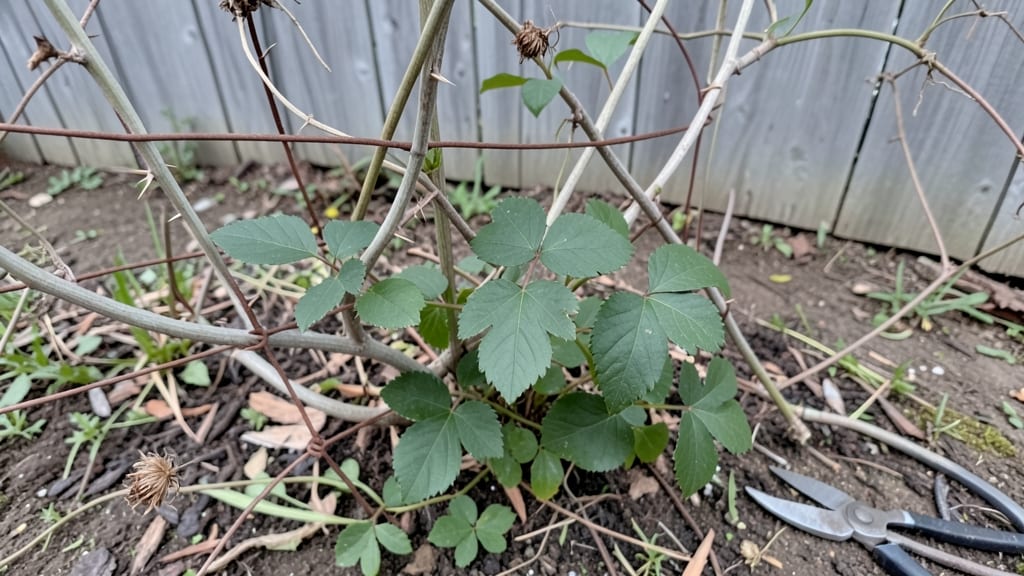
Your clematis might be thriving with vibrant green leaves yet suffering from clematis not flowering, leaving you puzzled—this frustrating pattern stumps even seasoned gardeners. 🌿 I’ve revived three struggling plants, and the solutions always boil down to three key adjustments. overlooked basics: sunlight exposure, pruning timing, and root nutrition.
The good news? Most clematis plants respond within weeks to the right adjustments.
The most common culprits are pruning at the wrong time (like cutting back too early in spring) or planting them in spots that get afternoon shade. Clematis need at least 6 hours of morning sun—if yours sits in dappled shade all day, that’s your first clue.
Poor soil drainage or nutrient imbalances (especially low phosphorus) also starve blooms. The fix isn’t complicated: it’s about matching their needs to your garden’s conditions.
You’ll see buds forming within 4-6 weeks of making corrections—start with a balanced 10-10-10 fertilizer in early spring, then adjust pruning to group 1 or 2 (depending on your variety).
The key is consistency: clematis reward patience with clusters of blooms that last from summer through fall. Let’s get those flowers back!
Works for all clematis types, from early bloomers like ‘Jackmanii’ to late-season varieties. Whether you’re dealing with a mature vine or a young plant, these fixes apply. Here’s how to diagnose and revive yours—step by step.
Why it happens
If your clematis vines are lush and green but stubbornly refuse to flower, the issue likely stems from a mix of environmental, biological, or cultural factors. Understanding these root causes is the first step to restoring your plant’s blooming glory.
Let’s break down the science behind why your clematis might be playing hard to flower—and how to fix it.
🌱 Insufficient Light Exposure
Clematis are sun-worshippers, and most varieties thrive on 6 to 8 hours of direct sunlight daily. When deprived of adequate light, the plant shifts its energy toward leafy growth instead of flower production—a survival mechanism to maximize photosynthesis. Here’s the breakdown:
- Low-light conditions: Shady spots (e.g., under trees or north-facing walls) trick clematis into thinking it’s time to conserve energy, delaying or preventing blooming.
- Partial shade misjudgment: While some clematis (like Clematis montana) tolerate dappled shade, most large-flowered hybrids (e.g., Jackmanii or Niobe) need full sun to trigger flowering hormones.
- Seasonal light shifts: Early spring or late autumn light deprivation can disrupt the plant’s blooming cycle, especially in regions with short daylight hours.
💡 Pro Tip: If your clematis is in partial shade, try gradually increasing sunlight exposure over 2–3 weeks to avoid shocking the plant. Use a light meter (or the "shadow test"—if your hand’s shadow is shorter than your hand at noon, it’s likely getting enough light).
🌡️ Temperature and Dormancy Quirks
Clematis are cool-season plants with specific temperature triggers for blooming. Too much heat or cold at the wrong time can throw off their internal clock. Here’s how it works:
- Insufficient winter chill: Many clematis (especially Group 2 and Group 3 varieties) require 600–1,000 hours below 45°F (7°C) to break dormancy and set flower buds. Without this, they skip blooming entirely.
- Summer heat stress: Temperatures above 90°F (32°C) can cause flower buds to abort or fail to form. This is common in hot climates or microclimates near pavement.
- Late frost damage: New growth in spring is vulnerable to frost, which can kill emerging flower buds before they open.
🌡️ Actionable Fix: If you’re in a mild-winter zone, simulate dormancy by giving the plant a dry rest in late summer (reduce watering and stop fertilizing) to mimic natural chill signals. For heat-sensitive varieties, provide afternoon shade with shade cloth (30–50% coverage).
💧 Watering and Soil Mismanagement
Clematis roots are superficial (they spread wide but shallow), and their moisture needs are critical for flower production. Here’s how water and soil play a role:
- Drought stress: Clematis roots dry out quickly in well-drained soil, triggering a water-conservation response that halts blooming. Even one week of drought can reduce flower count by 50%.
- Overwatering or poor drainage: Soggy roots (from heavy clay or compacted soil) lead to root rot or anaerobic stress, which diverts energy away from flowers.
- Nutrient imbalances: Too much nitrogen (common in lawn fertilizers) promotes leafy growth at the expense of flowers. Conversely, phosphorus and potassium deficiencies can stunt bloom development.
💧 Soil Savvy: Test your soil’s pH (ideal range: 6.0–7.0) and amend with compost or well-rotted manure to improve moisture retention. Water deeply 2–3 times per week (1–1.5 inches per session) and mulch with 3–4 inches of organic mulch to keep roots cool and hydrated.
✂️ Pruning Mistakes That Sabotage Blooms
Clematis are pruning-sensitive, and cutting at the wrong time or too aggressively can remove next year’s flower buds. Here’s what goes wrong:
- Late pruning: If you prune after buds have formed (usually in late winter or early spring for most varieties), you risk removing 90% of potential blooms.
- Over-pruning: Cutting back to bare stems (especially in Group 1 clematis, which bloom on old wood) leaves no buds for the season.
- Wrong tools or timing: Ragged cuts or pruning during active growth (spring/summer) can stress the plant, delaying flowering.
✂️ Pruning Hack: Learn your clematis’ group (1–3) to prune correctly:
- Group 1 (e.g., Alba): Never prune—blooms appear on previous year’s growth.
- Group 2 (e.g., Jackmanii): Prune right after flowering to remove dead wood and encourage new growth.
- Group 3 (e.g., Durandii): Prune hard in late winter (down to 12–18 inches) for a flush of new blooms.
Use clean, sharp bypass pruners and make cuts just above a pair of buds at a 45° angle.
🌿 Age and Health of the Plant
Even the hardiest clematis can hit a blooming slump due to age or underlying health issues:
- Young plants (under 2 years): Clematis often wait until their second or third year to produce abundant flowers as they establish roots.
- Over-mature vines: Plants older than 10–15 years may produce fewer blooms due to declining vigor. Rejuvenate by replacing the vine or pruning back severely in late winter.
- Pests or diseases: Aphids, clematis wilt (a fungal disease), or powdery mildew can weaken the plant, reducing flower production. Check for:
- Sticky leaves (aphid honeydew)
- Wilting or blackened stems (clematis wilt)
- White powdery patches (mildew)
🚨 Health Check: Treat pests with neem oil or insecticidal soap. For fungal issues, remove infected stems and apply copper fungicide in early spring. If the plant is beyond saving, consider propagating cuttings to start fresh.
Revive Your Clematis Blooms Now
If your clematis vines are looking lush but stubbornly flower-free, don’t despair! With the right approach, you can coax those vibrant blooms back to life. Below, we’ve mapped out practical fixes for the most common causes—plus prevention tips to keep your vines thriving long-term. Let’s get those flowers blooming again!
🌱 Fix: Too Little Sunlight
Clematis crave sunlight, especially for those show-stopping blooms. If your vine is tucked in the shade, it’s likely holding back its flowers.
How to Fix It:
🔥 🌞 Move or Prune for Sunlight
- Gradually shift your clematis to a sunnier spot over a few weeks to avoid shocking the plant.
- If relocating isn’t an option, prune nearby trees or structures to increase sunlight exposure.
🍳 🌿 Choose the Right Variety
- Some clematis types (like Clematis montana) tolerate partial shade, but most need 6+ hours of sun daily. Pick a sun-loving variety if shade is unavoidable.
💡 Pro Tip: Use a reflective surface (like a white wall or mirror) to bounce extra light onto the vine.
💧 Fix: Overwatering or Poor Drainage
Too much moisture (or none at all) can stress clematis, causing them to focus on survival instead of blooming.
How to Fix It:
👨🍳 💦 Adjust Your Watering Routine
- Water deeply 1-2 times per week (more in extreme heat), ensuring the soil is moist but not soggy.
- Avoid wetting the foliage to prevent fungal diseases.
🥘 🏡 Improve Soil Drainage
- Amend heavy clay soil with compost or perlite to help water drain faster.
- Plant clematis on a mound or raised bed to prevent root rot.
✨ Pro Tip: Mulch around the base (but not touching the stem) to retain moisture without suffocating roots.
✂️ Fix: Wrong Pruning Time or Technique
Pruning at the wrong time or too aggressively can strip away next year’s flower buds.
How to Fix It:
🔪 ⏰ Prune at the Right Time
- Group 1 (Early Bloomers): Prune right after flowering (March–April).
- Group 2 (Mid-Season Bloomers): Prune in early spring (February–March).
- Group 3 (Late Bloomers): Prune in late winter (January–February).
🌡️ 🌿 Use the Right Cuts
- Remove dead or crossing branches first.
- Cut back to a pair of healthy buds (about 6–12 inches from the ground for Group 3).
- Avoid heavy pruning in fall—it can expose tender growth to frost.
🎯 Pro Tip: Sterilize pruners with rubbing alcohol to prevent disease spread.
🌿 Fix: Nutrient Deficiencies
Clematis are heavy feeders—if the soil lacks key nutrients, they’ll prioritize foliage over flowers.
How to Fix It:
📊 🌱 Feed the Right Way
- Apply a balanced fertilizer (10-10-10) in early spring, then switch to a high-phosphorus formula (5-10-5) when buds form.
- For organic options, use composted manure or bone meal.
💪 🍎 Boost with Micronutrients
- Clematis love magnesium and iron. Use Epsom salt (1 tbsp per gallon of water) monthly if leaves look pale.
- A seaweed extract spray can also give a nutrient boost.
🐞 Fix: Pest or Disease Damage
Pests like slugs or diseases like powdery mildew can weaken vines, reducing flowering.
How to Fix It:
🔥 🐌 Control Pests Naturally
- Set up beer traps or copper barriers for slugs/snails.
- Spray neem oil on affected leaves to deter aphids and mites.
🌡️ 🌿 Treat Fungal Issues
- Remove infected leaves immediately and dispose of them.
- Apply baking soda spray (1 tsp baking soda + 1 quart water + a drop of soap) for powdery mildew.
✨ Pro Tip: Space plants properly (3–6 feet apart) to improve airflow and reduce disease risk.
🌟 Prevention Tips for Next Season
Keep your clematis blooming year after year with these easy habits:
- ✅ Monitor sunlight—rotate vines if shade increases.
- ✅ Test soil pH (aim for 6.5–7.0) and amend if needed.
- ✅ Mulch annually to retain moisture and regulate temperature.
- ✅ Prune strategically—know your clematis group!
- ✅ Fertilize in stages (spring, summer, fall) for steady growth.
Frequently asked questions
Why isn’t my clematis flowering even though it has lots of green leaves?
Clematis prioritize leaf growth when their basic needs aren’t met. Common culprits include insufficient 6+ hours of morning sun, improper pruning timing (like cutting back too early), or nutrient imbalances—especially low phosphorus. Even young plants (under 2 years) often wait to bloom until they’ve established strong roots.
How do I fix my clematis that’s been pruned too late?
If you pruned after buds formed, don’t panic! For Group 2 or Group 3 clematis, you can still encourage new growth by cutting back to healthy buds now. Focus on removing dead wood and applying a high-phosphorus fertilizer to stimulate flower production. Group 1 clematis should never be pruned hard—just remove faded blooms.
Can I save my clematis if it’s been flowering poorly for years?
Older vines often decline due to declining vigor, but rejuvenation is simple. Prune back severely in late winter (cutting to 12–18 inches for Group 3), improve sunlight access, and fertilize with a balanced 10-10-10 formula in spring. For severe cases, consider propagating new cuttings from healthy sections.
What’s the best way to prevent clematis from not flowering next year?
Consistency is key! Start by testing your soil pH (aim for 6.0–7.0) and amend with compost. Mulch annually, fertilize in stages (spring, summer, fall), and prune according to your clematis group. Ensure 6+ hours of morning sun and protect from extreme heat or cold that could stress the plant.