
Flowers
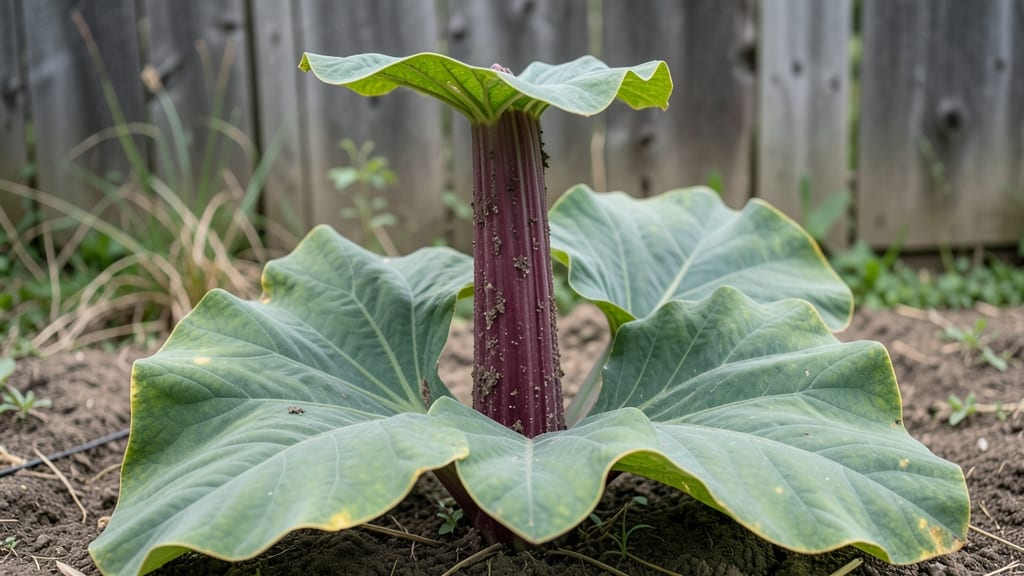
Growing a corpse flower tree 🌺 is like nurturing a tropical oddity—its massive, rare blooms smell like rotting meat and take years to appear, but the thrill of coaxing one to life is unmatched.
Imagine a plant so rare and pungent it earns nicknames like "cadaver plant" or "stinking corpse lily"—yet its massive, otherworldly blooms make it one of the most fascinating houseplants for serious collectors.
Growing this tropical giant isn’t for beginners, but with the right conditions, you can cultivate this living legend in your home or greenhouse.
Native to Indonesia’s steamy rainforests, the corpse flower tree thrives in USDA zones 10-12, where humidity stays high and temperatures never dip below 60°F. Indoors, it demands bright, indirect light and a patient hand—blooms can take 5+ years to appear, but the spectacle is worth every wait.
Below, I’ll walk you through the secrets of its care: from mimicking its rainforest home to managing that infamous scent, and why ethical sourcing matters when dealing with such a rare specimen.
Corpse flower tree growth conditions: light, temperature, and humidity secrets
To successfully grow a corpse flower tree (Amorphophallus titanum), you’ll need to recreate its native Indonesian rainforest environment. This means focusing on three critical factors: bright, indirect light, warm temperatures, and high humidity.
Unlike most houseplants, this rare specimen demands precise conditions to thrive—and even then, it may take years before it blooms. Let’s break down exactly what your tropical titan needs to flourish.
Native to the Sumatra rainforests, the corpse flower tree evolved to thrive in shady, humid conditions with temperatures hovering around 75–85°F (24–29°C). In your home, this translates to placing it near a south-facing window or under grow lights for 6–8 hours of bright, indirect light daily.
Direct sunlight can scorch its large leaves, while too little light slows growth and delays flowering. Think of it like a sunbathing lizard—it needs warmth but not harsh rays.
One of the biggest mistakes I see with corpse flower trees is assuming they’re low-maintenance. In reality, they’re high-maintenance divas that need consistent care. For example, if your plant’s leaves start turning yellow, it’s usually a sign of overwatering or poor drainage.
The key is to mimic the rainforest floor—moist but never soggy. Use a well-draining peat-based mix with perlite to prevent root rot, and always water deeply but infrequently. Think of it like a spongy swamp—just enough moisture to keep roots happy, but with room to breathe.
Temperature swings are another common issue. Your corpse flower tree will not tolerate cold drafts, so keep it away from windows in winter or air conditioning vents. If your home dips below 65°F (18°C), consider moving it to a sunroom or greenhouse.
Even a brief cold snap can shock the plant, causing leaves to brown and crisp. Pro tip: Group it with other tropical plants to create a microclimate of warmth and humidity.
Humidity is where most gardeners trip up. These plants crave 70–80% humidity, which is nearly impossible to achieve in a typical home. My solution? A pebble tray with distilled water or a humidifier set near the plant.
You’ll know you’ve nailed it when the air feels thick and damp, almost like stepping into a jungle. If the leaves start curling or drying at the edges, it’s a cry for more moisture in the air.
Mist the leaves lightly in the morning to simulate rainforest dew, but avoid wetting the spathe (flower) if it blooms.
Seasonal adjustments are crucial for triggering blooming. In late winter to early spring, your corpse flower tree will need a cool but not cold period to signal it’s time to bloom. Drop nighttime temperatures to 68–72°F (20–22°C) for 4–6 weeks, then gradually warm it back up.
This mimics the dry season in its native habitat. If you live in a USDA Zone 10–12, you can grow it outdoors in a sheltered spot, but bring it inside before temperatures drop below 60°F (15°C).
Remember, blooming is a once-in-a-lifetime event for most gardeners—so patience is key!
Let’s talk about container size, because this is where many growers go wrong. A young corpse flower tree can start in a 5–7 gallon pot, but it will quickly outgrow it. Within 3–5 years, you’ll need a 15–20 gallon container to accommodate its massive rhizome.
Use a pot with drainage holes and fill the bottom with orchid bark or coconut coir for aeration. If you’re growing it outdoors, plant it in a raised bed with a 12-inch deep layer of compost-rich soil.
The deeper the roots, the happier your plant—and the bigger those otherworldly blooms will be.
One final secret: fertilizing plays a huge role in encouraging growth. Use a balanced 10-10-10 fertilizer every 4–6 weeks during the growing season (
How to encourage a corpse flower tree to bloom (and what to expect when it does)
Growing a corpse flower tree (Amorphophallus titanum) is a marathon, not a sprint—especially when it comes to blooming triggers.
These plants are notorious for their 5-10 year dormancy before producing their first flower, but with the right care techniques, you can nudge them toward that spectacular (and stinky) moment. The key lies in mimicking their tropical rainforest conditions and understanding their unique growth cycles.
Before you even think about flowering induction, your plant must reach maturity. A healthy specimen will grow a large, single leaf (called a spathe) that can reach 6-8 feet tall—this is your first sign that the plant is ready for its big moment.
But don’t expect blooms overnight; patience is critical. Even with perfect care, some plants take a decade to flower for the first time.
⚠️ Warning: The Corpse Flower’s Scent Is No Joke
When your corpse flower tree blooms, it emits a rotting meat odor that can linger for days. This fermenting flesh scent attracts flies for pollination, but it’s also a health hazard—keep windows open and avoid blooming indoors if possible. The smell is stronger than ammonia and can trigger nausea in sensitive individuals.
🪴 Pro Tip: Place a small fan nearby to disperse the odor quickly.
To encourage blooming, start by ensuring your plant gets bright, indirect light (think south-facing windows or a greenhouse). Low light delays flowering, while too much direct sun can scorch the large leaves.
Next, maintain high humidity levels—aim for 70-80% humidity by misting daily or using a pebble tray. A tropical greenhouse is ideal, but a humidifier in a sunny room works too.
Timing your fertilizer schedule is another game-changer. Use a balanced 10-10-10 fertilizer every 4-6 weeks during the growing season (spring and summer). In fall and winter, reduce feeding to once every 8-12 weeks to simulate natural dormancy. Over-fertilizing can stress the plant and prevent blooming.
Watch for pre-bloom signs: the plant will produce a thick, purple-tinged spathe that unfurls over 24-48 hours. Inside, you’ll find the spadix (the flower structure), which heats up to 80-90°F to attract flies.
This heat production is a sure sign blooming is imminent. Once the flower opens, it typically lasts 24-48 hours—so be ready to capture the moment!
After the bloom fades, don’t prune the dead flower immediately. Let it withdraw nutrients back into the rhizome for 4-6 weeks before cutting it back. This post-bloom care ensures your plant has energy for future growth.
If you’re lucky enough to have a blooming corpse flower tree, consider propagating from seed—the red berries that follow contain thousands of tiny seeds!