
Pruning
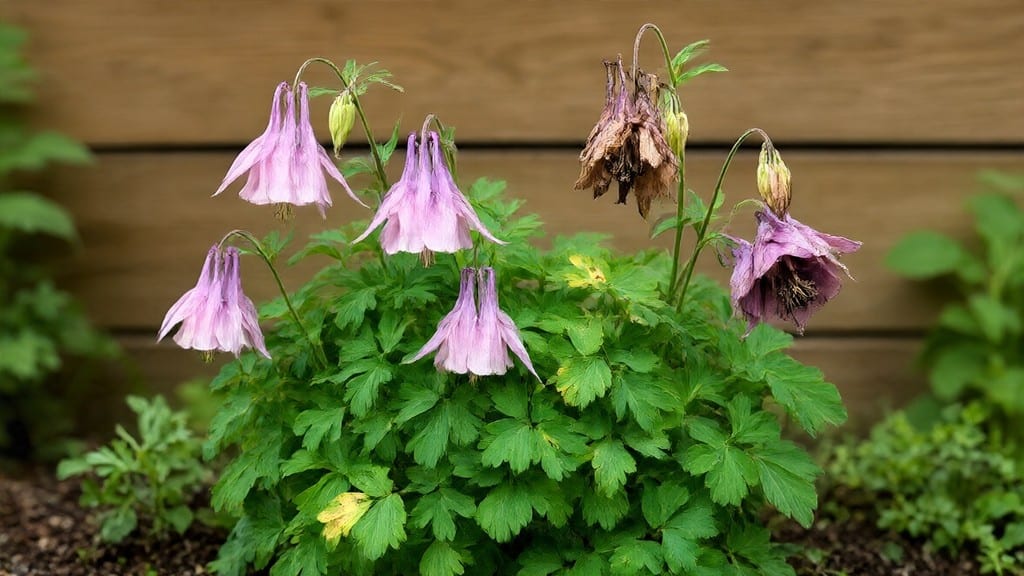
Deadheading columbine flowers turns a single flush of blooms into a summer-long show. 🌸 I used to watch my columbine put on one glorious display in spring and then fade—until I learned this simple trick that keeps them flowering until frost.
The key isn't just cutting back, but doing it at the right time with the right technique.
You only need two things: clean pruners and a sunny afternoon. Grab sharp pruners (dull blades crush stems) and work when the blooms are dry—not after rain.
The goal is to remove spent flowers while preserving the plant's energy for new growth, not triggering stress. Columbine are forgiving, but timing matters most.
After deadheading, you'll see fresh buds forming within two weeks, with continuous blooms through fall. The plants stay compact, look fuller, and resist disease better. My neighbor's columbine used to look ragged by July—now hers blooms just as heavily as mine in September.
This works for all columbine varieties, whether you're growing the classic Aquilegia vulgaris or the fancy double-flowered hybrids. The only rule? Never cut into the seed pods if you want more flowers—those hold next year's blooms. Let's get those spent blooms trimmed!
📚 In This Guide
- What you need
- Instructions
- Tips and common mistakes
- Wrapping up and next steps
What you need
- ● Sharp pruning shears or garden scissors – Clean, sterilized, and sharp (avoid dull tools that crush stems).
- ● Columbine plants in bloom – Focus on spent or fading flowers (look for wilted petals or seed pods).
- ○ Gloves (optional but recommended) – Nitrile or gardening gloves to protect hands from thorns or dirt.
- ● Disinfectant (70% isopropyl alcohol or bleach solution) – 1 part bleach to 9 parts water for sterilizing tools between cuts.
- ● Trash bag or compost bin – For removing spent blooms and debris.
- ● Pruning saw – For thicker stems if your columbine is woody.
- ● Hand lens or magnifying glass – To spot hidden pests or diseases.
- ● Flower food (if cutting blooms for arrangements) – Extends vase life of deadheaded flowers.
- ● Garden hose with nozzle – For a quick rinse of tools before sterilizing.
How to deadhead columbine flowers for continuous blooms
Here's the simple method I use to keep my columbine flowering all season—no pruning shears required.
✂️ Step 1: Wait Until Flowers Fade Naturally
Don't rush—wait until the blooms start turning brown or the petals begin curling inward. This is your signal that the flower has finished its cycle and energy can be redirected to new buds. I find mornings are best for deadheading because the flowers are fully open and easiest to spot.
Gently pinch off the entire spent bloom with your thumb and forefinger, being careful not to tug the stem. You'll feel slight resistance as you remove the flower head—this confirms you've got the right part. Leave the green foliage and seed pods alone unless they're brown and dried out.
✂️ Step 2: Remove Only the Spent Blooms
Columbine has unique flower stems that look like little lanterns. Simply grasp the faded flower between your fingers and pull it straight off the stem. The stem itself should remain intact with the green leaves attached—this is what produces new flowers. I like to work my way around the plant in a circular motion to avoid missing any blooms.
If you accidentally pull too much stem, don't worry—columbine is quite forgiving. Just leave the leaves and the plant will continue producing flowers from other stems. The key is to always stop at the first set of leaves below the flower head.
🌿 Step 3: Encourage New Growth
After deadheading, give your columbine a light drink of water to help it recover. The plant will redirect its energy from seed production to creating new flower buds. You'll notice tiny green buds forming at the base of the stems within 7-10 days—this is your reward for deadheading.
Here's the thing—columbine naturally produces seed pods that look like little green lanterns. If you see these forming, you can leave them on one or two stems to collect seeds for next year, but remove them from other stems to encourage more blooms. The plant will produce flowers even with seed pods, but fewer overall.
☀️ Step 4: Maintain Regular Deadheading
For continuous blooms, make deadheading a habit every 3-5 days during peak flowering season. Columbine blooms are particularly delicate, so I check my plants daily in the morning when the flowers are fully open. Regular deadheading prevents the plant from wasting energy on seed production.
If you notice your columbine producing fewer flowers, it might be time to fertilize lightly with a balanced 10-10-10 fertilizer. I apply just a sprinkle around the base of the plant after deadheading, being careful not to get fertilizer on the leaves. This gives the plant a little boost to produce even more blooms.
⏰ Step 5: Prepare for Dormancy
As summer progresses and temperatures rise above 85°F, columbine often enters a natural dormancy period. This is when the plant stops producing new flowers and focuses on conserving energy. Don't be alarmed—this is normal behavior, especially in hot climates.
When you see the plant slowing down, reduce your deadheading frequency to every 7-10 days. Water deeply but less frequently, allowing the soil to dry out slightly between waterings. This helps the plant prepare for its dormant period and ensures it comes back strong in cooler weather.
Tips & tricks for perfect columbine deadheading
Here's what nobody tells you about keeping your columbine blooming like a pro all season long.
Timing Secret: The 3-5 day deadheading schedule in Step 4 is your magic number for continuous blooms. I've found that checking plants in the morning gives you the best view of fully open flowers—this is when they're most obvious to remove. If you wait until afternoon, some flowers might already be fading, and you risk missing the optimal time to redirect the plant's energy.
Technique Tip: In Step 1, when you feel that slight resistance while pinching off spent blooms, you're doing it right! That resistance confirms you're removing the flower head cleanly without damaging the stem. I always work from the outside in, moving in a circular pattern around the plant to avoid missing any blooms. Think of it like edging a lawn—methodical coverage prevents gaps.
Seed Pod Strategy: The instructions mention leaving seed pods on one or two stems, but here's the thing: if you're saving seeds, mark those stems with a small piece of colored tape. This visual cue prevents you from accidentally removing them during regular deadheading. I've saved seeds for years this way—just don't let more than two stems go to seed if you want maximum blooms.
Heat Management: When temperatures climb above 85°F as mentioned in Step 5, columbine naturally conserves energy. This is why your deadheading frequency should drop to every 7-10 days. I've seen plants completely stop flowering in mid-summer heat—don't panic! Reduce watering slightly too, letting the soil dry out between waterings. This helps the plant prepare for its dormant period and ensures a stronger comeback in cooler weather.
Pro Tips for Deadhead Columbine Flowers
- Here's what nobody tells you about keeping your columbine blooming like a pro all season long.
- Timing Secret: The 3-5 day deadheading schedule in Step 4 is your magic number for continuous blooms.
- Technique Tip: In Step 1, when you feel that slight resistance while pinching off spent blooms, you're doing it right!
Frequently asked questions
Got questions about deadheading columbine flowers? You’re not alone! Here’s a quick guide to common concerns with simple, actionable answers.
When is the best time to deadhead columbines?
The ideal time to deadhead columbine flowers is right after they fade, usually in the late morning or early afternoon when the plant is hydrated. This encourages new blooms and prevents seed formation, which can drain the plant’s energy. Aim for consistent deadheading every 1–2 weeks during peak blooming season (spring to summer) for continuous color.
Will deadheading columbines reduce their height or spread?
Deadheading typically won’t drastically shorten columbines, but it may encourage a bushier, fuller growth habit. If you want to control height, pair deadheading with light pruning after flowering. For spreading, focus on removing spent blooms rather than trimming stems—this redirects energy to new flowers rather than seeds.
What if my columbines stop blooming after deadheading?
If your columbines suddenly quit blooming, check these fixes:
- Watering: Ensure soil stays moist but not soggy—drought stress halts blooms.
- Light: Columbines thrive in partial shade (4–6 hours of sun). Too much direct sun can scorch them.
- Fertilizer: Use a balanced, low-nitrogen fertilizer (like 5-5-5) to avoid leafy growth at blooms’ expense.
Can I skip deadheading columbines?
You can technically skip deadheading, but your columbines will prioritize seed production over flowers. This means fewer blooms and more self-seeding (which can lead to overcrowding). If you love the wild, cottage-garden look, let some seeds form—but for maximum color, deadhead regularly to keep the plant happy and productive.
How do I deadhead columbines without damaging the plant?
Use these tips to deadhead gently and effectively:
- Use clean, sharp scissors or pruners to avoid tearing stems.
- Cut just above a leaf node (where leaves meet the stem) to encourage new growth.
- Avoid shearing the entire plant—target only faded blooms.
- Wear gloves if you’re sensitive to sap (columbines can irritate some skin).
Wrapping up and next steps
Deadheading columbine flowers is your secret weapon for longer, lusher blooms and a garden that stays vibrant all season! 🌸 By removing spent flowers, you encourage new growth, deter pests, and keep your plants thriving with minimal effort.
Whether you’re a gardening pro or just starting out, this simple technique will transform your columbines into a showstopper—no green thumb required.
Ready to take your garden to the next level? Grab your pruners and start deadheading today! Your future blooms will thank you—and your neighbors will be jealous. 😉