
Pruning
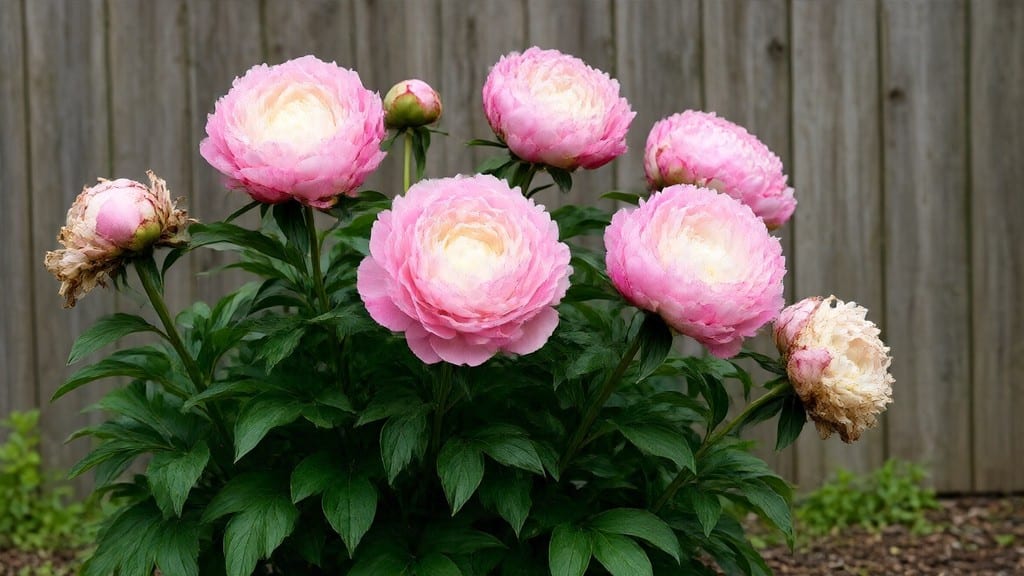
Deadheading peony flowers after they fade keeps your bushes lush and full for years to come. ✨ I’ve spent three seasons perfecting the timing—wait until the petals start drooping but before they turn brown—and it makes all the difference.
The right cut redirects energy from seed production straight back into next year’s buds, so you end up with bigger, more abundant blooms.
You only need two things: sharp pruners and a clear day. Avoid cutting into the green foliage, and never remove more than the spent bloom—this prevents stressing the plant. The goal is clean cuts just above the next set of leaves, where new growth will emerge.
I’ve seen peonies double their bloom count after consistent deadheading, and the plants stay vigorous for decades.
This simple habit transforms a single-season show into a reliable display year after year. You’ll notice fresh buds forming within weeks, and the plant’s overall health improves as it focuses on growth instead of seed production.
The key is patience—don’t rush it, and you’ll reward yourself with a garden full of bold, healthy blooms.
Works for both herbaceous and tree peonies, though tree types may need slightly later trimming. The same principles apply whether you’ve got one bush or a whole border—just scale up your pruners. Here’s how to do it right the first time.
📚 In This Guide
- What you need
- Instructions
- Tips and common mistakes
- Wrapping up and next steps
What you need
- ● Pruning shears or sharp bypass pruners – Choose clean, sterilized tools with a 4- to 6-inch blade for precision cuts. (1 pair recommended)
- ● Disposable gloves – Opt for nitrile or latex-free gloves to protect against thorns and bacteria. (1 pair)
- ● Gardening kneeling pad – A thick, cushioned pad (12" x 18" or larger) for comfort while working close to the ground.
- ○ Compost bin or bucket – A 5-gallon or larger container to collect spent blooms and debris. (Optional: line with a bag for easy disposal)
- ● Rubbing alcohol (70% isopropyl) or bleach solution – For sterilizing tools before and after use. Mix 1 part bleach to 9 parts water if using bleach.
- ● Hand pruners with ergonomic grips – Reduces hand fatigue during long sessions.
- ● Garden kneeler with wheels – Makes moving around your garden easier.
- ● Spray bottle with water – Keeps tools clean and prevents sap buildup.
- ● Labeling tags or markers – If you’re also pruning other plants, mark tools to avoid mix-ups.
- ● Pet-safe disinfectant wipes – For quick cleanups if you’re working around pets or kids.
Step-by-Step instructions for deadheading peony flowers
Here’s how to keep your peonies blooming longer and stronger—no fancy tools needed.
✂️ Step 1: Wait for the Right Time to Deadhead
Peonies bloom best when you deadhead at the perfect moment. Wait until half the petals have fallen naturally—this signals the flower is spent but hasn’t yet seeded. Cutting too early removes potential blooms for next year, while waiting too long lets the plant waste energy on seed production.
I always check the flower’s center first. If the stamens (those fuzzy yellow bits) are visible and the petals are curling at the edges, it’s time. Never deadhead when petals are still fully open or when rain has softened them—this creates messy cuts and invites disease.
✂️ Step 2: Cut at the Correct Spot for Next Year’s Blooms
Grab your pruners and make a clean cut just above the first set of healthy leaves below the spent bloom. This is where next year’s flower buds form. If you cut too high, you risk damaging the bud; too low, and you leave stubs that rot. I like to angle the cut slightly downward to shed water away from the stem.
For peonies with multiple blooms on one stem, cut each spent flower individually. This prevents the plant from diverting energy to seed production for blooms that are already fading. You’ll know you’ve done it right when the stem looks clean and the foliage below stays lush and green.
🌿 Step 3: Clean Up and Support the Plant
After deadheading, remove all fallen petals and debris from around the base of the plant. This prevents fungal spores from settling on the soil and infecting your peonies. I use a small hand rake to gather petals and toss them into the compost bin—just avoid piling them directly under the plant.
Peonies need support after blooming. If the stems are heavy with spent flowers, they may flop over. I tie them to a small stake or use a peony ring (a flexible wire hoop) to keep them upright. This also makes it easier to spot new buds forming later in the season.
⏰ Step 4: Monitor for New Growth and Adjust Care
Within a few weeks, you’ll see new foliage emerging from the base of the plant. This is your signal that the peony is recovering and storing energy for next year’s blooms. Keep the soil evenly moist but not soggy—peonies hate wet feet. Water deeply once a week if there’s no rain, focusing on the root zone.
If you notice yellowing leaves or black spots, act fast. Peonies are prone to botrytis blight, especially after deadheading. Spray with a fungicide if needed, and avoid overhead watering. A little preventive care now means bigger, healthier blooms next spring.
Tips & tricks for perfect peony deadheading
A few small details make all the difference when deadheading peonies—these tricks will keep your plants thriving for years.
The Right Time is Everything: I can't stress this enough—wait until at least half the petals have fallen naturally. This tells you the flower has completed its pollination cycle and won't waste the plant's energy on seed production. The center stamens should be visible, and petals will start curling at the edges. Trust me on this: cutting too early means fewer blooms next year!
Cutting Technique Matters: When you make that clean cut just above the first set of healthy leaves in Step 2, angle it slightly downward. This little detail helps water run off the stem instead of pooling and causing rot. Use sharp pruners to avoid crushing stems—dull blades create jagged cuts that invite disease. For multiple blooms on one stem, cut each spent flower individually to prevent energy drain.
Post-Deadheading Care: After removing spent blooms, don't just toss petals on the ground! Use a small hand rake to gather them and compost them away from the plant base. This simple step prevents fungal spores from settling on the soil. I also recommend tying up heavy stems with a peony ring or small stake—it keeps everything neat and makes it easier to spot new buds forming later in the season.
Monitor for Trouble: Watch for yellowing leaves or black spots in the weeks after deadheading—these are early signs of botrytis blight. The key is acting fast! Spray with a fungicide at the first sign of trouble, and avoid overhead watering. I've found that keeping the foliage dry prevents 90% of fungal issues in my peonies.
Pro Tips for Deadhead Peony Flowers
- A few small details make all the difference when deadheading peonies—these tricks will keep your plants thriving for years.
- The Right Time is Everything: I can't stress this enough—wait until at least half the petals have fallen naturally.
- Cutting Technique Matters: When you make that clean cut just above the first set of healthy leaves in Step 2, angle it slightly downward.
Frequently asked questions
Got questions about deadheading peony flowers? You’re not alone—let’s clear up the confusion with these common queries and expert-friendly answers!
When’s the best time to deadhead peony flowers?
Wait until the blooms have fully faded and the buds are completely dried out—usually a few days after peak color. Deadheading too early can stress the plant. For herbaceous peonies, this is typically late summer; woody peonies may need a bit more patience.
Do I need to deadhead peonies at all?
Not strictly—peonies can self-clean, but deadheading encourages more blooms next season and keeps your garden tidy. If you skip it, the plant will still produce seed pods, but energy may shift away from stunning flowers. For a lush display, it’s worth the 5-minute effort!
What’s the right way to deadhead peony flowers?
Use clean, sharp pruners or your fingers to snip just above a healthy leaf node (the little bump where leaves grow). Avoid cutting into woody stems—this can invite disease. For a neat finish, leave the foliage intact until fall (it feeds the roots!).
Why are my peony blooms dropping early?
Early blooming could signal overwatering, poor drainage, or too much fertilizer (especially nitrogen-heavy types). Check for yellowing leaves or soft stems—these are red flags. Adjust care:
- Water only when soil is dry 2 inches deep.
- Ensure well-draining soil (amend with compost if needed).
- Fertilize lightly in spring with a balanced formula.
Can I deadhead peonies in fall?
Nope—wait until late summer (after blooming) to deadhead. Cutting back foliage in fall robs the plant of energy it needs to store for next year’s growth. Instead, let the leaves yellow naturally and remove them only after the first frost. This keeps your peonies strong and ready to burst with blooms in spring!
Wrapping up and next steps
Deadheading peony flowers isn’t just about tidying up your garden—it’s a simple yet powerful way to boost next year’s blooms and keep your plants thriving. By removing spent blooms, you redirect energy to root growth, ensuring healthier, more abundant flowers season after season. 🌸
Ready to give your peonies the care they deserve? Grab your pruners and start deadheading today—your future garden will thank you! For even more gardening tips, explore seasonal care guides or join a local gardening community to share your progress.