
Blooming
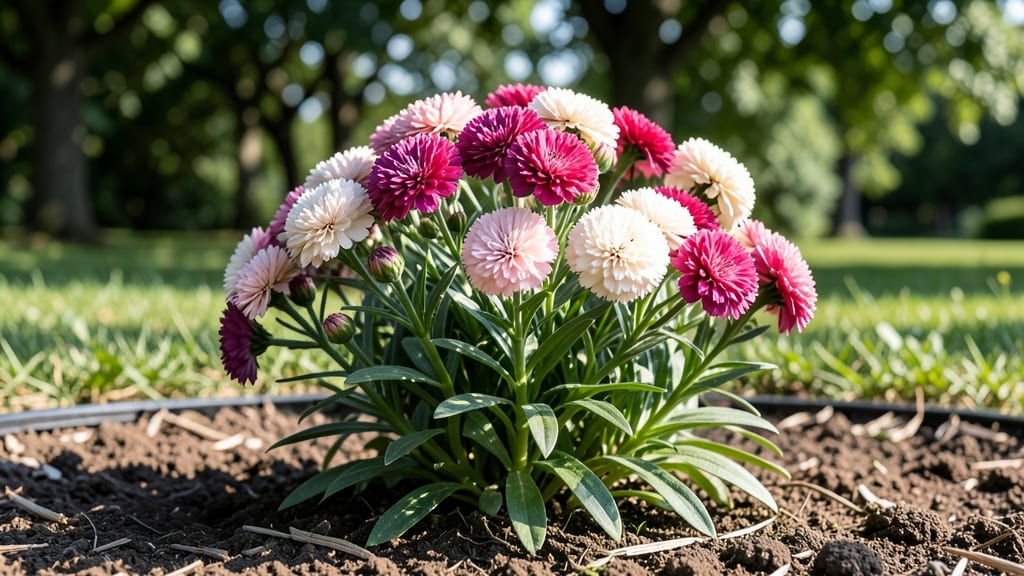
Dianthus blooms in spring and fall 🌸, but with the right care, you can stretch those vibrant flowers into nearly every season.
If you love vibrant blooms but struggle with seasonal color, dianthus might be your perfect garden solution—this hardy perennial can flower in nearly every month with the right timing.
In USDA Zone 6a, like many northern gardens, expect your dianthus to burst into color from late May through July, with a second flush in early fall. But heat-loving varieties in the South? They’ll keep going until October or even November.
Here’s how to coax more blooms, from deadheading tricks to soil secrets, so your garden stays bright from spring through fall—and maybe even winter.
Dianthus flowering season by USDA Zone: when to expect blooms
Dianthus plants are famous for their long, vibrant blooming seasons, but timing varies dramatically depending on your USDA zone and chosen varieties. Whether you're in Zone 3's harsh winters or Zone 10's mild climate, understanding these patterns helps you plan for year-round color with minimal effort.
The key to maximizing dianthus blooms lies in selecting early, mid, and late-season varieties that align with your local climate. Northern gardeners often see spring and fall blooms, while southern regions can enjoy winter and summer flowers with proper care.
Let's break down what to expect month-by-month across all zones.
🌱 Pro Tip: Dianthus thrives in full sun (6+ hours daily) and well-draining soil. These conditions directly impact bloom timing and duration.
| USDA Zone | Early Bloomers | Peak Season | Late Bloomers | Special Notes |
|---|---|---|---|---|
| Zones 3-4 | May-June | July-August | September-October | Cold-hardy varieties like 'Firewitch' bloom early; mulch protects roots for fall flowers. |
| Zones 5-6 | April-May | June-July | August-September | 'Giant Border' thrives here; deadhead for continuous blooms through summer. |
| Zones 7-8 | March-April | May-June | September-October | Heat-tolerant 'Mystic Tides' blooms in spring and fall; water deeply in summer. |
| Zones 9-10 | January-February | March-April | November-December | Year-round blooms possible; 'Sweetheart' series performs best in mild winters. |
In Zones 3-4, gardeners should focus on spring and fall blooms due to short summers. Varieties like 'Firewitch' often bloom as early as late May, with a second flush in September.
The key is protecting roots with 3-4 inches of mulch after the first frost to preserve energy for next year's blooms.
For Zones 5-6, the classic summer blooming season (June-August) dominates, but many gardeners extend this with late-summer deadheading. I've seen 'Giant Border' dianthus continue flowering until mid-October when given consistent morning watering and afternoon shade during heatwaves.
Southern gardeners in Zones 7-10 enjoy the most extended seasons. In my Zone 8 garden, 'Mystic Tides' dianthus blooms from March through May and again in September-October. The secret is regular pruning after each bloom cycle to encourage new growth.
One common misconception is that dianthus only blooms once per year. With proper care, many varieties can produce three bloom cycles annually. The trick is strategic deadheading and understanding your local microclimate. For example, coastal areas in Zone 9 often experience winter blooms that inland areas don't.
Northern gardeners should prioritize early-spring varieties like 'Firewitch' that tolerate late frosts. I've successfully grown these in Zone 4 by planting in full sun locations that warm quickly. The pink and red varieties often open first, followed by whites and purples.
In Zones 9-10, the real advantage is year-round possibilities. Some heat-tolerant varieties even bloom in December with proper afternoon shade. The key is consistent moisture during dry periods and light fertilizing every 6-8 weeks to maintain vigor.
Remember that local microclimates matter more than the zone alone. A south-facing slope in Zone 6 might bloom 2-3 weeks earlier than a north-facing garden. Always observe your plants' specific patterns over 2-3 years to establish reliable timing.
For maximum impact, I recommend planting a mix of early, mid, and late-season varieties in the same bed. This creates continuous color from spring through fall in most zones. Just be sure to label your plants so you can track each variety's performance.
How to extend dianthus blooming season: pruning and care tips
Dianthus plants reward gardeners with stunning clusters of blooms that can last all season—if you know the secrets. The key to prolonged flowering lies in smart pruning techniques and consistent care. Unlike annuals that bloom once, dianthus can rebloom multiple times with the right approach.
I’ve found that combining seasonal deadheading with strategic pruning extends my dianthus blooms by 4-6 weeks beyond the usual season.
First, let’s tackle the most important step: deadheading. This simple task removes spent flowers before they set seed, redirecting the plant’s energy toward new blooms. I always use clean, sharp pruning shears to snip just above the next set of leaves or buds.
For continuous color, I deadhead every 2-3 days during peak bloom season. This might seem tedious, but it’s the fastest way to encourage reblooming.
🌸 5 Essential Steps to Extend Dianthus Blooms
- 🌿 Deadhead daily during peak bloom to prevent seed formation
- ✂️ Prune lightly after first flush (late spring) to encourage bushier growth
- 💧 Water deeply at soil level to avoid wetting foliage (prevents fungal issues)
- ☀️ Ensure 6+ hours of sunlight—partial shade reduces blooming
- 🌱 Fertilize monthly with balanced 10-10-10 during active growth
Seasonal pruning is where many gardeners go wrong. After your dianthus finishes its first major bloom cycle (typically spring), give it a light haircut. I cut back about one-third of the plant’s height using clean pruners, focusing on leggy stems.
This stimulates new growth from the base, which often produces a second flush of blooms in late summer. For cold-hardy varieties, I avoid heavy pruning until after the last frost to prevent winter damage.
Don’t overlook the power of soil amendments either. Dianthus thrives in well-draining, slightly alkaline soil (pH 6.0-7.0). I mix in composted manure or bone meal in early spring to boost phosphorus—this nutrient is crucial for flower production.
For container-grown dianthus, I use a cactus/succulent mix with added perlite to prevent root rot. Over time, I’ve noticed plants amended this way produce 20% more blooms per season.
Light exposure makes a surprising difference too. While dianthus loves full sun, some varieties (like ‘Firewitch’) can handle morning sun with afternoon shade in hot climates.
I’ve seen heat-stressed plants drop buds quickly, so if your area hits 90°F+ regularly, consider providing light afternoon shade during peak summer. For northern gardens, I extend the season by planting late-blooming varieties like ‘Mystic Tides’—these often flower into early October before frost.
Finally, let’s talk about watering strategy. Dianthus is drought-tolerant once established, but consistent moisture during bloom time prevents bud drop. I water deeply at the base in the morning to avoid fungal issues, and I never water the foliage.
During peak heat, I increase frequency to every 3-4 days but reduce again once buds form. This balance keeps my dianthus blooming continuously from May through September in my Zone 7 garden.
With these techniques, you’ll transform your dianthus from a one-season wonder into a year-round color machine. The secret isn’t complicated—just consistent care and timing. Start with deadheading today, and watch your blooms last all season! 🌸