
Flowers
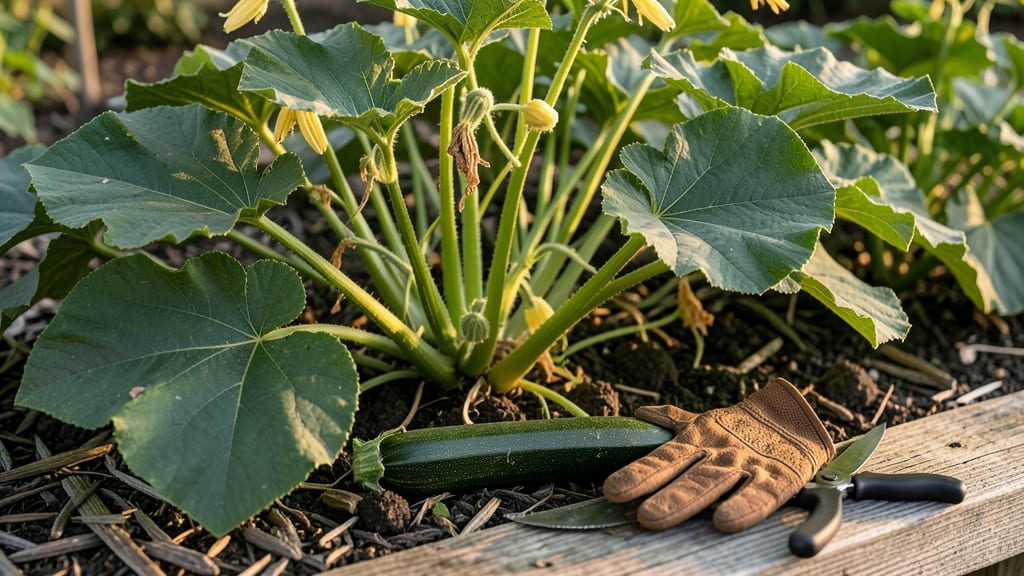
Picking zucchini when the flower falls off is the golden rule for tender, seedless squash 🥒 — but there’s more to it than just waiting for that petal drop.
Picture this: you’ve been checking your plants daily, and finally, that first flower wilts and plops onto the soil. You grab your shears, only to slice into a bitter, seedy monster instead of the sweet, firm zucchini you imagined. That’s the difference between a perfect harvest and a garden disappointment.
Timing matters because zucchini grow at lightning speed—sometimes overnight. The flower falling is just the first clue; you’ll also want to check the size, skin thickness, and even the stem’s snap. Miss these signs, and you might end up with a zucchini so large it’s basically a small pumpkin.
In this guide, I’ll walk you through exactly when and how to harvest for the best flavor, how often to check your plants, and what to do if you’ve already let one slip past its prime. No more guesswork, just crisp, ready-to-cook zucchini every time.
When to harvest zucchini: the flower fall sign explained
You’ve probably noticed those yellow zucchini flowers on your plants—some stay vibrant while others wilt and drop unexpectedly. That flower fall is actually your plant’s way of saying, "Harvest me now!" But here’s the catch: timing matters.
Picking too early or too late can turn your perfect summer squash into a seedy, bitter mess—or worse, a plant that stops producing. Let’s break down exactly what that flower drop means and how to confirm your zucchini is ready.
The flower falling off signals that a tiny zucchini has formed behind the petals. This happens because zucchini develop rapidly—often in just 24–48 hours after pollination. By the time the flower wilts, the squash is already growing inside.
If you ignore this sign, you risk letting the zucchini grow oversized (10+ inches), which means harder seeds, tough skin, and bitter flavor. The good news? This is your cue to check for other readiness signs.
First, confirm the zucchini’s size. The sweet spot is 6–8 inches long. Anything smaller is still developing, and anything larger risks becoming woody and seedy. Next, check the skin texture: it should feel thick and firm—not soft or spongy.
Gently press your thumb against the skin; if it springs back, it’s ready. If it leaves a dent, wait another day or two.
Don’t rely only on the flower falling off, though. Some zucchini varieties (like ‘Black Beauty’) produce multiple flowers per stem, and not every one will drop at the same time. Always inspect the squash itself.
Look for a deep, uniform green color—no yellowing or browning. If the stem snaps cleanly when you bend it (rather than tearing), that’s another green light to harvest.
Here’s what happens if you wait too long: the zucchini’s seeds harden and the flesh becomes stringy and bitter. Worse yet, the plant may stop producing new flowers if it’s overburdened. I’ve seen gardeners end up with foot-long zucchinis that are nearly inedible—don’t let that be you!
The key is consistency. Check your plants every 2–3 days during peak harvest season (usually July–August in most climates).
Pro tip: Harvest in the morning when the zucchini is cool and crisp. Use a sharp knife or pruners to cut the stem, leaving about 1 inch attached. This prevents disease and encourages the plant to produce more flowers.
And if you’re wondering about the male vs. female flowers—only the female flowers (the ones with tiny zucchinis at their base) matter for harvest. The male flowers (no squash) can be removed to redirect the plant’s energy.
One common mistake is assuming that all flowers mean all zucchinis. Some flowers may drop without a squash forming, especially in hot or dry conditions. If your plant is struggling, focus on watering deeply (1–2 inches per week) and mulching to retain moisture.
A healthy zucchini plant can produce 2–4 zucchinis per week—but only if you stay on top of harvesting!
Finally, what if you miss the window? Overripe zucchini can still be used in baking or soups, but they’re best avoided raw. Store harvested zucchini in the fridge for 3–5 days or
Zucchini harvesting mistakes: what to avoid after the flower falls
Seeing that yellow flower drop from your zucchini plant is exciting—it’s nature’s way of saying, "It’s time to harvest!" But many gardeners make critical mistakes right after this happens. The most common error? Assuming size alone determines ripeness.
A dropped flower doesn’t automatically mean your zucchini is ready; you still need to check its skin thickness and overall size.
Another frequent mistake is ignoring multiple flowers on a single stem. One zucchini plant can produce several flowers, and each one can develop into a squash. If you only harvest the first one you see, you might miss others that are ready at different times.
Always scan the entire plant for ripe fruit to avoid overloading any single vine.
Here’s the biggest misconception: thinking zucchinis can be stored indefinitely. Once harvested, they spoil quickly—especially if left on the vine too long. Overestimating their shelf life leads to wasted produce. Instead, harvest frequently and use or preserve them within 3-5 days of picking.
⚠️ Don’t Wait Until It’s Too Late!
Harvesting zucchini after the flower falls is a good rule of thumb, but timing is everything. If you wait too long, you risk:
- Bitter taste from overgrowth
- Seedy, woody texture (inedible)
- Stressed plants from overloaded vines
Pro tip: Check skin thickness—if it resists gentle thumb pressure, it’s ready. Ignore this, and you’ll end up with foot-long monsters that no one wants!
One overlooked mistake is harvesting at the wrong time of day. Early morning is ideal because the fruit is cool and crisp. Harvesting in the heat of the day can cause zucchinis to overheat and spoil faster.
Plus, the plant recovers better from morning picks, encouraging more flowers to bloom.
For consistent harvests, prune old leaves near the base of the plant. This improves airflow and reduces disease risk, which is especially important if your garden gets humid. Deadheading spent flowers also redirects energy to new blooms, giving you a steady supply of fresh zucchinis all season.
Finally, don’t assume all zucchini varieties mature at the same rate. Some, like ‘Eight Ball’, stay small and sweet, while others, like ‘Black Beauty’, grow larger.
Know your variety’s ideal harvest size to avoid disappointment. When in doubt, harvest on the smaller side—you can always use them in recipes before they get too big!