
Pests
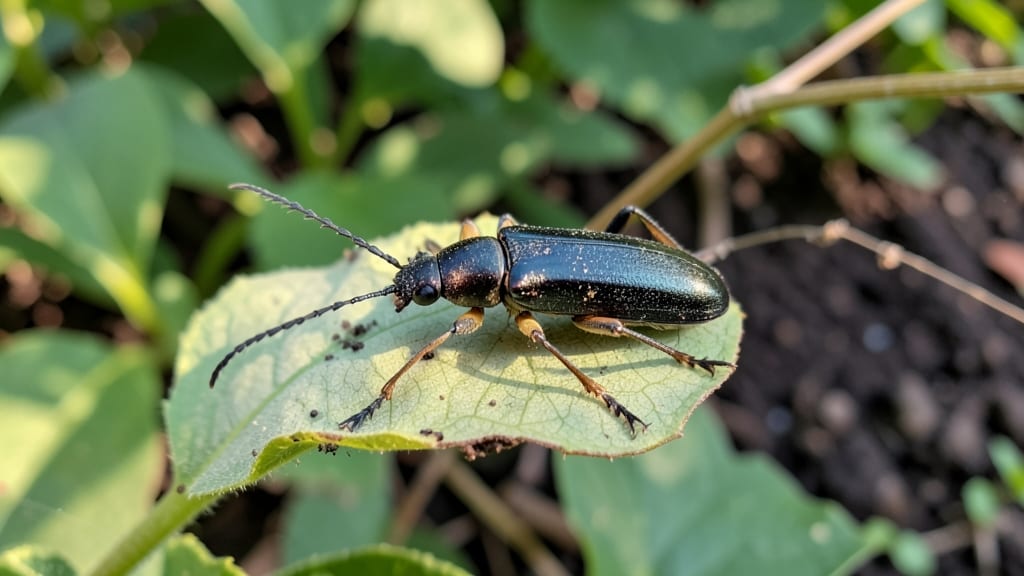
Flower longhorn beetles are the uninvited guests of your spring garden, turning your 🌸 flowering plants into their all-you-can-eat buffet.
Picture this: you’ve just spent weeks nurturing your prized roses or lavender, only to find chewed petals and sawdust-like frass littering the stems. These beetles aren’t just pests—they’re master camouflagers, blending into blooms until it’s too late.
But before you reach for the spray bottle, here’s the good news: they’re not all bad, and you can manage them without harming your garden’s balance.
In this guide, I’ll show you how to spot these striped invaders early, what their lifecycle means for your plants, and the safest ways to remove them—whether you’re in Zone 6a or beyond.
You’ll also learn when to leave them alone, because yes, they do have a role in your garden’s ecosystem.
By the end, you’ll know exactly how to protect your spring blooms while keeping your garden thriving—naturally and effectively.
How to identify flower longhorn beetles and their damage
Flower longhorn beetles (Typocerus and Stenocorus genera) are striking insects with long, banded antennae that can make your garden look like a beetle buffet. While adults feed on petals and foliage, their larvae tunnel through stems, causing irreversible damage.
The key to protecting your garden lies in early identification—before they turn your prized blooms into a skeleton.
These beetles are often mistaken for Japanese beetles or rose chafers, but their distinct antennae length and body markings set them apart. Unlike other pests, flower longhorn beetles leave behind chewed petals and sawdust-like frass near entry holes in stems.
Let’s break down how to spot them—and their damage—so you can act fast.
🔍 comparison table
One of the first signs you’ve got flower longhorn beetles is chewed petals that look like someone took a pair of scissors to your blooms. Look closely for small holes near the edges—these beetles prefer soft petals like those of roses, lilacs, and peonies.
If you spot sawdust-like frass near the base of stems, that’s a red flag: larvae are likely tunneling inside, weakening the plant’s structure.
Adult flower longhorn beetles are most active during late afternoon, when they’re out feeding. Their long antennae (often twice their body length) help them navigate your garden, while their yellow-and-black striped bodies make them easy to spot if you know what to look for.
Unlike Japanese beetles, they don’t fly in swarms—they’re solitary feeders, which makes manual removal easier.
Larvae, however, are the real troublemakers. They bore into stems, creating tunnels that block water and nutrients. Infested stems will often wilt suddenly or snap easily when bent.
If you cut open a damaged stem, you might find white, C-shaped larvae inside—this is a clear sign you need to act immediately to save the plant.
Pay special attention to new growth and young stems, as these are the beetles’ favorites. They target tender, succulent tissue, which is why late spring is peak damage season.
If you notice multiple stems wilting in the same area, it’s likely a larval infestation rather than an adult feeding issue.
To confirm your suspicion, inspect the base of affected stems for tiny entry holes (about 1/8-inch wide). These holes are where larvae chew their way in. If you find sawdust-like frass oozing out, that’s definitive proof of an infestation.
At this stage, the plant may already be too damaged to save, so focus on removing the beetles and protecting nearby plants.
Don’t overlook the undersides of leaves either. Adults often hide there during the day, especially on broadleaf plants
Safe removal methods: chemical-free solutions for flower gardens
When flower longhorn beetles invade your garden, chemical pesticides can disrupt the ecosystem and harm beneficial insects. Instead, try these organic removal methods that protect your plants and the environment.
Start by identifying affected plants—look for chewed petals or sawdust-like frass near stems. These signs mean it’s time to act before larvae tunnel into woody stems.
My favorite first-line defense is manual removal, which works best for adult beetles. Use a damp cloth or soft brush to gently dislodge them from flowers and stems.
Drop them into soapy water to prevent re-entry. This method is zero-risk to your garden but requires daily checks during peak beetle activity (late spring to early summer).
Step-by-Step Organic Removal
- Step 1: Prune affected stems—cut 1 inch below visible frass trails or entry holes using sterilized pruners. Dispose of clippings in a sealed trash bag to prevent larvae from pupating in the soil.
- Step 2: Apply neem oil spray—mix 1 tbsp neem oil with 1 tsp mild soap and 1 quart water. Spray early morning or late evening to avoid harming pollinators. Reapply every 5–7 days until beetles disappear.
- Step 3: Use companion plants like marigolds or basil near vulnerable flowers. These plants repel beetles with their strong scents while attracting beneficial predators like ladybugs.
- Step 4: Disrupt habitats—remove standing deadwood or rotting logs where larvae hide. Replace with mulch-free zones around susceptible plants like roses or peony bushes.
- Step 5: Introduce beneficial nematodes (Steinernema carpocapsae) to soil. These microscopic predators target larvae without harming plants or other wildlife. Apply during evening after watering.
For severe infestations, combine neem oil with diatomaceous earth (food-grade only). Sprinkle a thin layer around plant bases—it dehydrates beetles on contact but stays safe for your garden. Reapply after rain. This dual approach works faster than single methods but requires consistent monitoring.
Prevention is key! After removal, mulch heavily around plants with straw or wood chips to deter egg-laying. Avoid over-fertilizing, as rich soil attracts more beetles. I’ve found that healthy, balanced plants resist infestations better than stressed ones. Rotate companion plants yearly to keep beetles guessing.
Remember, patience is critical—some methods take 2–4 weeks to show results. Track progress with a small notebook or garden journal to adjust tactics as needed. With these chemical-free strategies, you’ll protect your flowers and maintain a thriving, beetle-balanced ecosystem. 🌿