
Shrubs
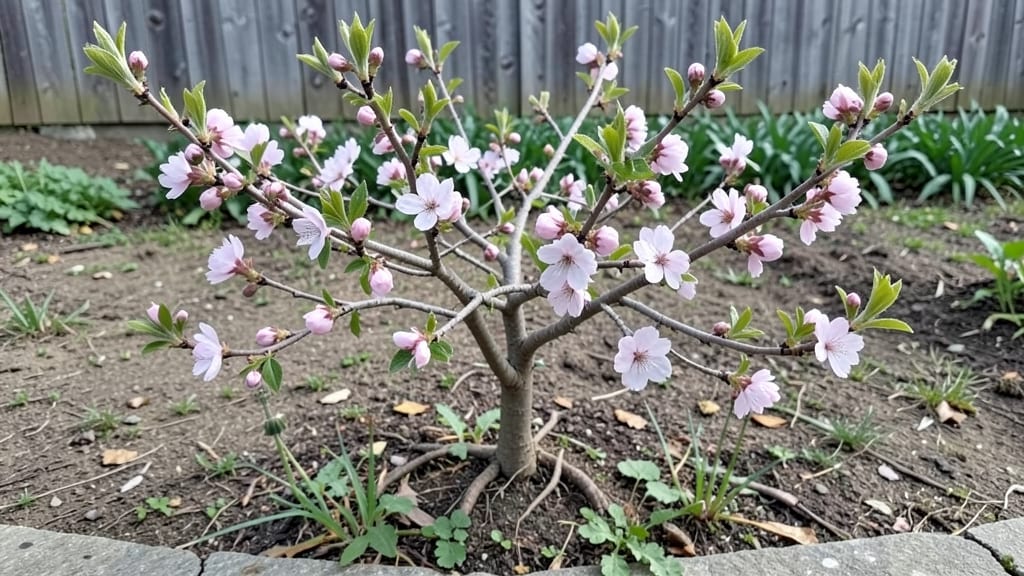
This shrub’s rapid takeover starts with its clever seed-spreading tactics—birds snack on the fruit and carry seeds far from the parent plant, while water currents distribute them along streams. 🌱 What makes it especially troublesome is its ability to send out underground stems called rhizomes, which can stretch up to 10 feet in a single season, creating an almost impenetrable network.
Once established, it smothers other plants by blocking sunlight and altering soil chemistry, making it a major headache for land managers and gardeners alike.
If you’re dealing with an infestation, timing is everything—young plants are far easier to pull than mature thickets. I’ve seen cases where homeowners spent months fighting mature bushes, only to realize they should’ve tackled it when the plants were still waist-high.
The key is combining mechanical removal with targeted herbicide applications, but always check local regulations first, as some areas restrict certain chemicals.
💡 In This Article
- How Flowering Almond Invades Ecosystems
- Step-by-Step Flowering Almond Removal Guide
How flowering almond invades ecosystems
Here's what's actually happening beneath the surface when flowering almond takes over: its rhizomatous root system grows horizontally underground at a rate of 3-6 inches per month during peak growing seasons.
These underground stems produce new shoots every 6-12 inches, creating a dense network that can spread 15-20 feet in a single year under ideal conditions.
This growth rate outpaces many other invasive shrubs like kudzu (which spreads 10-15 feet annually) and makes it particularly difficult to contain once established.
The plant's drought tolerance gives it another competitive edge—it can survive with as little as 10% soil moisture, far less than many native species that require 30-50% moisture to thrive.
This allows flowering almond to dominate dry riverbanks and disturbed soils where other plants would struggle. 🌱 The leaves also contain allelopathic compounds that inhibit seed germination of nearby plants, creating a chemical barrier that further suppresses competition.
Birds play a crucial role in its spread through endozoochory—the process where seeds pass through an animal's digestive system before being deposited. Each flowering almond fruit contains 1-3 seeds that remain viable after digestion, allowing birds to transport them up to 2 miles from the parent plant.
Water dispersal works similarly: the fruits float and can travel 50+ feet downstream during floods, with seeds remaining viable for up to 2 years in moist conditions.
What most people don't realize is how quickly flowering almond alters soil chemistry. Its deep roots create microenvironmental changes by increasing soil nitrogen levels through nitrogen fixation (up to 50 kg/hectare annually), which benefits the plant but starves out native species adapted to lower nitrogen conditions.
The dense canopy it forms blocks 80-90% of sunlight at ground level, creating a shaded understory that only shade-tolerant weeds can survive in.
For comparison, consider the Japanese honeysuckle, another aggressive invader that spreads via both seeds and runners—but its maximum spread rate is only 8-10 feet annually. Flowering almond's combination of fast horizontal growth, bird-assisted dispersal, and soil chemistry manipulation makes it particularly formidable.
The result is often complete ecosystem transformation, where native understory plants disappear within 3-5 years of initial infestation.
The most alarming aspect is how quickly it transitions from scattered plants to monoculture thickets. In one California study, researchers observed a 100-fold increase in flowering almond density over 5 years in riparian zones, completely replacing willow and cottonwood species that once stabilized riverbanks.
This level of dominance explains why land managers often describe it as an "ecosystem engineer"—not in a helpful way, but by fundamentally altering habitat structure.