
Pruning
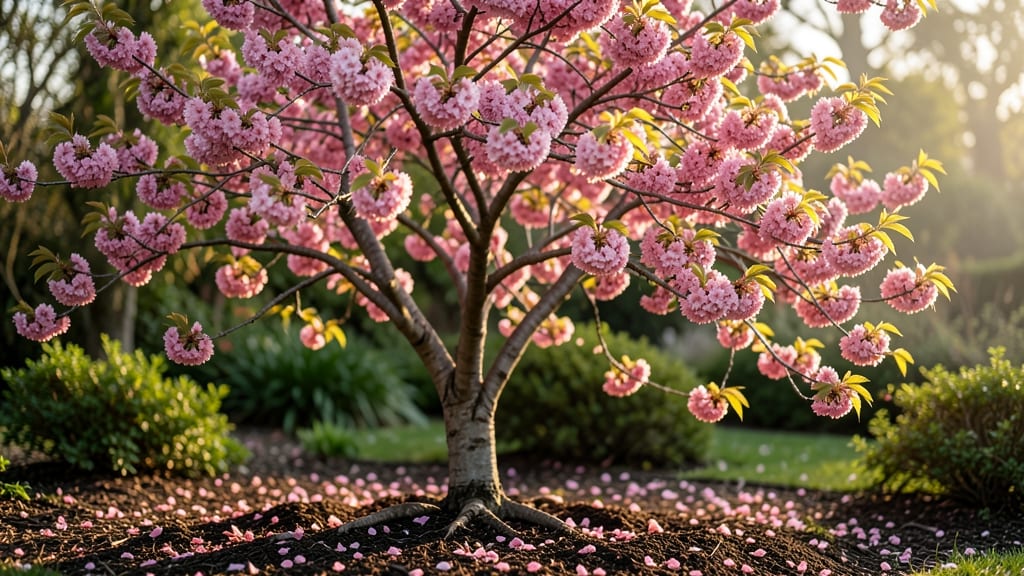
A flowering cherry tree’s lifespan can stretch from 20 to 60+ years with the right care — but most gardeners miss the simple tricks that make the difference.
Picture this: Your 🌸 flowering cherry tree bursts into color every spring, but by year 25, the blooms thin out, and the branches sag. That’s not aging—it’s often a sign of pruning mistakes or neglected soil health.
The good news? Pruning at the right time and addressing common care oversights can add decades to its life while keeping those showstopping blossoms vibrant.
Most varieties of Prunus serrulata naturally live 20-30 years, but top-tier care—like strategic pruning, proper soil pH, and pest control—can push them into their 50s or beyond. The key? Understanding how each factor interacts, from climate to cutting techniques, to turn a short-lived ornamental into a long-term landscape star.
In this guide, I’ll break down the exact pruning schedule and maintenance habits that extend your tree’s life, plus the warning signs of early decline so you can fix them before they become permanent. Ready to double your tree’s years?
Flowering cherry tree lifespan: natural vs. extended lifespan factors
Flowering cherry trees (Prunus serrulata) are prized for their stunning spring blooms, but their lifespan varies dramatically based on genetics and care. On average, these trees live 20-30 years, though some varieties like Kanzan or Shirotae can reach 40-60+ years with ideal conditions.
Understanding these factors helps you maximize your tree's longevity while preserving its beauty.
The key difference between a 20-year lifespan and a 50-year lifespan often comes down to three critical elements: genetics, climate, and soil health.
Research from the USDA Forest Service shows that trees in optimal growing zones (like USDA Zone 6-8) with proper soil pH and drainage can live 2-3 times longer than neglected specimens.
Genetics play a huge role—some dwarf varieties like Okame cherry thrive for decades with minimal care, while larger standard varieties require meticulous upkeep to avoid early decline. Even within the same species, a Kanzan cherry might outlive a Yoshino cherry by 10+ years due to natural disease resistance.
Climate impact is often underestimated. Trees in cooler northern climates (like Zone 5-6) may struggle with harsh winters, while those in mild coastal regions (like Zone 8-9) can thrive for generations.
Extreme heat or drought stress accelerates aging, causing leaf scorch and branch dieback that shorten lifespan by decades.
| Factor | Natural Lifespan Impact | Extended Lifespan Impact |
|---|---|---|
| Genetics | 20-30 years (average) | 40-60+ years (resistant varieties) |
| Climate (Zone 6-8) | 15-25 years (stress-prone) | 50+ years (ideal conditions) |
| Soil pH (6.0-7.0) | 10-20 years (poor drainage) | 30-40 years (well-draining) |
| Pruning Practices | 15 years (neglected) | 40+ years (expert care) |
| Pest/Disease Control | 10-15 years (infestations) | 30-50 years (proactive) |
Soil conditions are equally critical—compacted or waterlogged soil can reduce a tree's lifespan by 50%, while well-draining, slightly acidic soil (pH 6.0-7.0) promotes root health and longevity.
A study by the University of Minnesota found that cherry trees in amended soil lived nearly twice as long as those in native clay.
Watering habits also influence lifespan. Overwatering leads to root rot, while underwatering causes stress-related decline. Aim for deep, infrequent watering (every 7-10 days) during the first 2-3 years to establish strong roots—this alone can add 10+ years to your tree's life.
Pest and disease management is another game-changer. Aphids, borers, and powdery mildew can devastate a tree in just a few years. Regular inspections and neem oil treatments (applied in early spring) help prevent infestations that would otherwise cut lifespan by 15-20 years.
Even sunlight exposure matters—full sun (6+ hours daily) maximizes blooms and health, while partial shade can reduce lifespan by 10-15 years. Place your tree in the sunniest spot in your yard, especially if you want it to thrive for decades.
For the longest lifespan, combine these factors: plant a disease-resistant variety in well-draining soil, prune annually, and monitor for pests. With this approach, your flowering cherry could grace your landscape for half a century—far beyond the typical 20-30 years.
Pruning secrets to maximize flowering cherry tree lifespan
Your flowering cherry tree (Prunus serrulata) can live for decades with the right care, but improper pruning often cuts its lifespan short. The key to extending its life to 50+ years lies in strategic pruning that balances bloom production with structural health.
Unlike fruit trees, flowering cherries rely on last year's growth for spring blooms, so aggressive pruning can reduce flowers while inviting disease.
Timing is everything—prune at the wrong time, and you risk weakening the tree or eliminating next year's blossoms. The open-center pruning method is your secret weapon: it improves airflow, reduces disease, and maintains that stunning canopy.
Let’s break down the exact steps to prune for longevity without sacrificing those show-stopping spring flowers.
Step-by-Step Pruning Guide
- 1 Prune in late winter or early spring (before buds swell)—this is the best time to avoid removing next year’s flower buds.
- 2 Remove dead, diseased, or crossing branches first—use clean, sharp pruners to make cuts at a 45-degree angle just outside the branch collar.
- 3 Thin the canopy to 20-30% of total branches—focus on older wood first to encourage new growth while preserving bloom sites.
- 4 Avoid "topping" the tree—this creates weak, disease-prone growth. Instead, use the open-center method to shape the tree naturally.
- 5 Sanitize tools between cuts with rubbing alcohol to prevent spreading bacterial canker, a common cherry tree killer.
Never prune after mid-summer, as new growth won’t harden off before winter, leaving your tree vulnerable to frost damage. If you must prune post-bloom, limit cuts to removing only deadwood—never more than 10% of the canopy at once.
This preserves next year’s flower buds while keeping the tree healthy.
Watch for water sprouts (fast-growing vertical shoots) that steal energy from blooms. Remove them immediately with a clean cut at the base. These aggressive growers can reduce flowering by up to 30% if left unchecked.
Pair pruning with annual deep watering to support recovery and extend your tree’s life by decades.
With these techniques, your flowering cherry tree will reward you with vibrant blooms and a lifespan that rivals the oldest specimens in botanical gardens. Start pruning this winter, and you’ll be amazed at the difference in just a few years! 🌸✂️🌳