
Trees
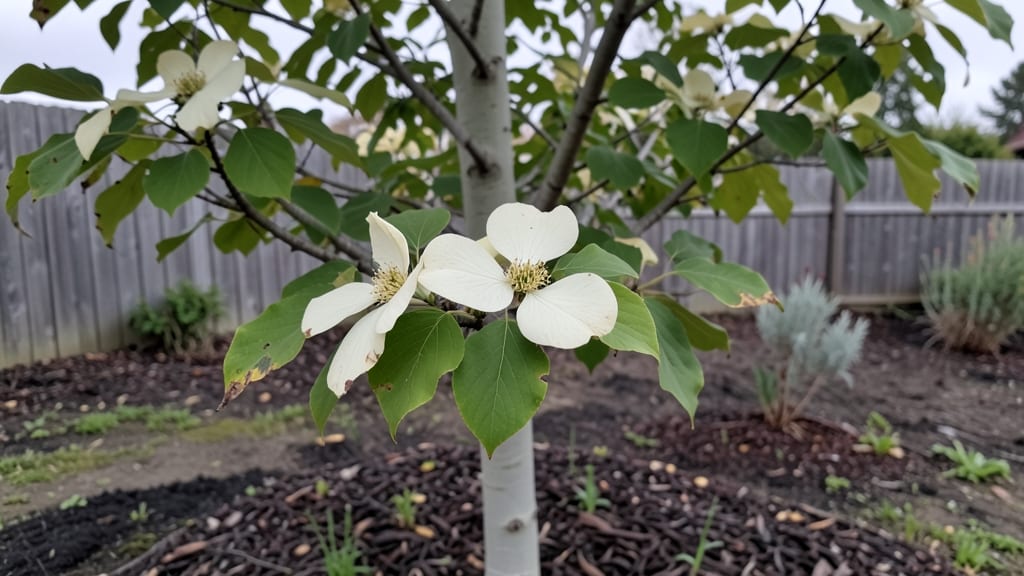
Caring for flowering dogwoods means unlocking those iconic spring blooms that steal the show every April. 🌸 I've learned the hard way—skipping mulch or overwatering can turn a showstopper into a sad shadow of itself. These trees thrive when given the right balance of sunlight, soil, and attention.
The secret to keeping them healthy starts with well-draining soil rich in organic matter. They love morning sun but hate afternoon heat, so dappled shade works best in hotter climates.
Water deeply once a week during dry spells, but never let them sit in soggy soil. A 3-inch layer of mulch keeps roots cool and retains moisture.
By following these simple steps, you'll see vibrant blooms year after year and a tree that stays strong through summer heat and winter chill. The reward? A backyard centerpiece that makes neighbors do a double-take when those pink or white flowers burst open in spring.
Works for both new plantings and established trees—just adjust the care based on the tree's age. Let's get those dogwoods thriving!
📚 In This Guide
- What you need
- Instructions
- Tips and common mistakes
- Wrapping up and next steps
What you need
- ● Soil & Planting: Well-draining garden soil (amend with compost if needed)
- ● Organic mulch (3–4 inches of pine straw, wood chips, or shredded bark)
- ○ Slow-release fertilizer (10-10-10 or balanced formula, optional)
- ● Planting Supplies: 1–2 flowering dogwood saplings (3–5 gallons in size, bare-root or potted)
- ● 1 shovel (for digging)
- ● 1 garden hose or watering can (with a rose nozzle)
- ● Pruning & Maintenance: 1 pair bypass pruners (for small branches)
- ● 1 loppers (for thicker branches, 1–2 inches in diameter)
- ○ 1 hand saw (for stubborn branches, optional)
- ● 1 gloves (gardening or pruning gloves)
- ○ 1 disinfectant (rubbing alcohol or pruning sealant, optional)
- ● Pest & Disease Control: Neem oil or insecticidal soap (for aphids or scale, as needed)
- ● Fungicide (e.g., copper-based or baking soda spray, for powdery mildew)
- ● A sunny to partially shaded spot (4–6 hours of light daily)
- ● Space to grow: 20–30 feet wide and 20–25 feet tall at maturity
- ● Access to water (deep watering 2–3 times per week during dry spells)
- ● Patience! Dogwoods take 3–5 years to reach full bloom potential.
Step-by-Step instructions for cultivating a thriving flowering dogwood
Here’s the straightforward approach I’ve used to keep dogwoods blooming boldly for over a decade.
🌱 Step 1: Plant in the Right Spot with Proper Soil Prep
Flowering dogwoods demand partial shade—think morning sun and afternoon shade—to prevent leaf scorch. I always plant mine where they’ll receive 4-6 hours of dappled light daily. The soil should be well-draining but moisture-retentive, so if your yard has heavy clay, amend with 2-3 inches of compost mixed into the top 12 inches of soil.
Dig a hole twice as wide as the root ball but only as deep. Place the tree so the top of the root ball sits 1-2 inches above ground level—this prevents waterlogging. Gently loosen any circling roots with your fingers before positioning it in the hole. The reason we don’t bury the trunk too deeply is that dogwoods are prone to stem rot when smothered.
☀️ Step 2: Water Deeply and Mulch for Moisture Retention
After planting, water deeply until the soil is 6 inches down—you’ll know it’s enough when water runs out the drainage holes if in a container, or when the surrounding soil feels damp. I water twice weekly for the first month, then taper to once weekly once established. Dogwoods hate soggy roots, so always check the top 2 inches of soil before watering—if it’s dry, it’s time.
Spread 3 inches of mulch (like shredded bark) around the base, keeping it 6 inches away from the trunk to prevent rot. Mulch locks in moisture and keeps roots cool. Here’s the thing—dogwoods are drought-tolerant once established, but young trees need consistent moisture to develop strong roots. If your area gets hotter than 85°F, increase watering to every 5 days until the tree shows new growth.
✂️ Step 3: Prune Strategically to Encourage Blooms
Prune right after flowering (late spring) to avoid cutting off next year’s buds, which form on old wood. Remove dead, diseased, or crossing branches first—these are easy to spot as they’re brown or rub against others. For shaping, limit cuts to no more than 25% of the canopy in one season. Dogwoods bloom on second-year wood, so heavy pruning reduces flowers.
Watch for suckers at the base—these sap-sucking growths drain energy. Snip them off at the ground level as soon as you see them. Thin out crowded branches to improve airflow, which prevents powdery mildew, a common issue in humid climates. If a branch is larger than your thumb, avoid pruning it—smaller cuts heal faster and reduce disease risk.
🪴 Step 4: Fertilize Lightly for Long-Term Health
Dogwoods aren’t heavy feeders, but they do need balanced nutrition in early spring. Use a 10-10-10 fertilizer (like the 1 pound you’d apply per 100 square feet) spread 6 inches from the trunk. Water the area thoroughly after applying to prevent root burn. Skip fertilizer in fall or winter—it encourages tender new growth that won’t survive frost.
I’ve found that organic matter (like compost) works just as well. Spread 1-2 inches of compost around the drip line in early spring and lightly scratch it into the top inch of soil. This improves soil structure over time without the risk of over-fertilizing. If your dogwood’s leaves turn yellow, it’s usually a sign of over-fertilizing—cut back and focus on watering instead.
⏰ Step 5: Protect Against Pests and Winter Stress
Watch for dogwood borers—tiny holes in the bark or sawdust-like frass are red flags. Treat infestations early with neem oil (spray in late summer when adults emerge). For powdery mildew, spray leaves with a baking soda mix (1 tbsp per gallon of water) every 2 weeks during humid summers. Prevention is key: prune for airflow and water at the base (not overhead) to keep foliage dry.
In winter, young dogwoods need extra protection if temps drop below 10°F. Wrap the trunk with burlap and mound 3 inches of mulch around the base. Mature trees handle cold well, but late spring frosts can damage buds. If frost is forecasted after buds swell, cover the tree with a lightweight frost cloth until temps rise. Dogwoods are tough, but a little TLC in their first few years ensures decades of vibrant blooms.
Tips & tricks for vibrant dogwood blooms all year
Here's what I've learned after nurturing dogwoods for years—simple tricks that make all the difference between a struggling tree and one that bursts with color every spring.
Lighting Secret: That 4-6 hours of dappled light is crucial—morning sun warms the leaves while afternoon shade prevents scorching. I test spots by observing how sunlight moves across your yard throughout the day. If your yard only gets harsh afternoon sun, consider planting dogwoods near north-facing walls or under taller deciduous trees that provide natural shade during peak heat hours.
Soil Prep Pro Tip: When amending heavy clay soil with compost, don't just top-dress—dig that 2-3 inches of compost down into the top 12 inches. This creates a proper root environment right where new roots will develop. I use a garden fork to loosen the soil first, then mix in compost thoroughly. The goal is to break up compaction while improving drainage without creating pockets of pure compost that can burn roots.
Watering Wisdom: The twice-weekly watering schedule works perfectly in moderate climates, but I adjust when temperatures climb above 85°F. Here's my rule: if your dogwood's leaves start curling at the edges, it's thirsty. Water deeply until the soil is moist 6 inches down, then let the top 2 inches dry out before watering again. This mimics natural rainfall patterns and prevents root rot from overwatering.
Pruning Precision: When you're pruning those dead branches in Step 3, make your cuts just outside the branch collar—the swollen area where the branch meets the trunk. This ensures proper healing and prevents unsightly stubs. For shaping cuts, aim to remove entire branches rather than just trimming back—this creates cleaner wounds that heal faster. Remember, those buds for next year's blooms form on old wood, so keep your cuts conservative.
Pro Tips for Flowering Dogwood Care
- Here's what I've learned after nurturing dogwoods for years—simple tricks that make all the difference between a struggling tree and one that bursts with color every spring.
- Lighting Secret: That 4-6 hours of dappled light is crucial—morning sun warms the leaves while afternoon shade prevents scorching.
- Soil Prep Pro Tip: When amending heavy clay soil with compost, don't just top-dress—dig that 2-3 inches of compost down into the top 12 inches.
Frequently asked questions
Got questions about keeping your flowering dogwood thriving? Here are answers to the most common concerns from gardeners like you—straight from the experts!
When’s the best time to plant a flowering dogwood?
The ideal planting window is early spring or late fall, when the tree is dormant but the ground is workable. Avoid planting in extreme heat or freezing temps—this gives roots time to establish before stress hits! Pro tip: Water deeply after planting to settle the soil and encourage root growth.
Why aren’t my dogwood flowers blooming?
Several factors can stunt blooms, but the most common culprits are improper pruning, over-fertilizing, or inconsistent sunlight. Dogwoods bloom on old wood, so avoid heavy pruning after spring. Ensure they get 6+ hours of morning sun and well-drained soil. If blooms are sparse, try a balanced, low-nitrogen fertilizer in early spring.
How do I protect my dogwood from winter damage?
Flowering dogwoods are hardy to USDA zones 5–9, but young trees or extreme winters may need extra care. Apply a 4–6 inch layer of mulch around the base (but not touching the trunk) to insulate roots. Wrap trunks in burlap or tree guard if temps dip below 0°F for prolonged periods. Avoid pruning in late winter—wait until early spring!
What pests or diseases commonly affect dogwoods?
Watch for dogwood borers (larvae that tunnel into bark), anthracnose fungus (dark leaf spots), or powdery mildew (white dust on leaves). For borers, inject systemic insecticide into the trunk. To prevent fungal issues, improve airflow by pruning dense branches and water at the base (not overhead). Neem oil can also help deter pests naturally.
Can I grow a flowering dogwood in a container?
While dogwoods are not ideal for containers due to their large root system, you can try a deep, 20+ gallon pot with excellent drainage for a young tree (under 5 feet). Choose a compact variety like ‘Little Gem’ and use a well-draining, acidic mix. Move it indoors during winter if temps drop below 20°F, but expect slower growth compared to in-ground planting.
Wrapping up and next steps
Caring for your flowering dogwood doesn’t have to be complicated—just consistent!
With the right location, soil, watering, and seasonal attention, you’ll reward yourself with stunning blooms and lush foliage year after year. 🌸 Whether you’re a new gardener or a seasoned pro, these tips ensure your dogwood thrives and becomes the showstopper of your landscape.
Ready to watch your tree flourish? Start by scheduling a quick check-in this week:
- Test your soil’s moisture (and adjust watering if needed).
- Prune any dead branches to encourage fresh growth.
- Plan your mulch refresh for early spring!