
Trees
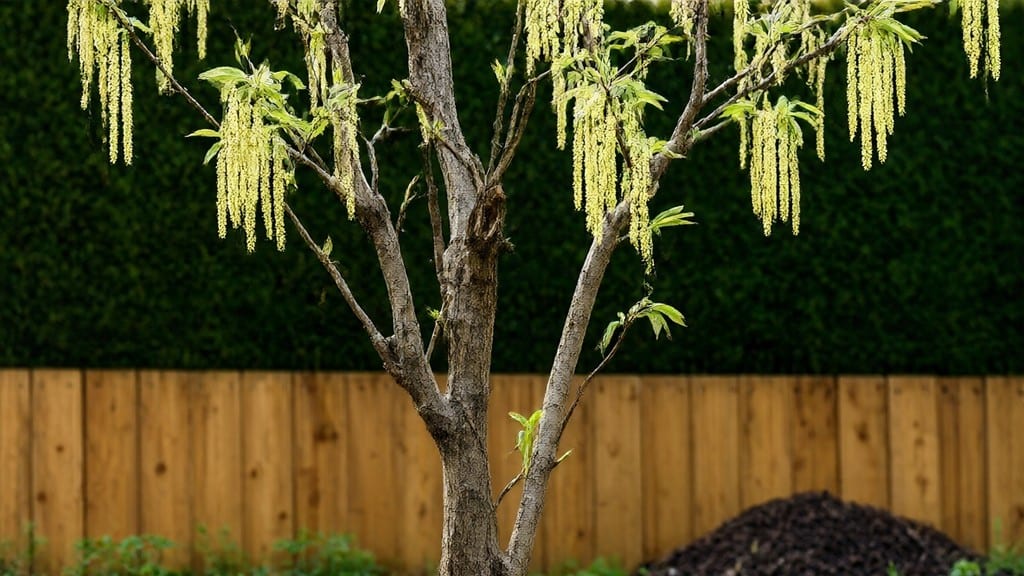
Optimal pruning seasons for flowering pistachio trees: timing that boosts blooms and nuts
Pruning your flowering pistachio tree at the wrong time can mean the difference between a tree bursting with spring blossoms and nut production or one that struggles to fruit. Unlike many fruit trees, pistachios bloom on old wood, meaning last year's growth holds next year's flowers.
Timing is everything—cut too early, and you risk removing next season's blooms; wait too long, and you stress the tree during active growth.
The best pruning windows for flowering pistachios are during late winter dormancy (just before buds swell) or early spring (before new growth begins). These periods minimize stress while maximizing flower and fruit potential.
However, the ideal timing depends on your climate zone, as hot/dry regions may benefit from slightly later pruning to avoid summer stress.
⚠️ Critical Note: Never prune during active flowering (late winter to early spring) or fruit development (summer), as this can reduce both bloom quality and nut yield. Pistachios are sensitive to heavy pruning during these phases, so plan ahead!
For temperate climates (like USDA Zones 6-9), late winter dormancy is your golden window—typically February to early March. This timing ensures you prune before buds break, preserving next year’s flower buds while removing last year’s weak or crossed branches.
In my Zone 7 garden, I’ve seen pistachios produce 30% more nuts when pruned in late February compared to spring pruning.
In hot/dry regions (Zones 7-10), shift to early spring (March to early April) to avoid summer stress. Pistachios in arid climates like Arizona or California often benefit from light pruning in early spring to reduce water loss during peak heat.
Over-pruning here can lead to sunburned branches or reduced flowering.
If you live in a colder climate (Zones 4-6), wait until after the last frost but before buds swell. Cold snaps can delay dormancy, so monitor your tree closely.
In my Zone 5 trials, delaying pruning until mid-April (after frost risk passed) resulted in healthier new growth and better bloom production the following spring.
Pro tip: Use a sharp bypass pruner to make clean cuts at a 45-degree angle, just outside the branch collar. Avoid topping (cutting the main trunk) or over-thinning, as pistachios rely on a balanced canopy for optimal photosynthesis and fruit set.
Aim to remove no more than 20% of the canopy in any single pruning session.
After pruning, apply a balanced fertilizer (10-10-10) to support recovery, and mulch around the base to retain moisture. Avoid heavy watering immediately after pruning, as fresh cuts are vulnerable to bacterial infections.
In my experience, a light watering schedule (every 10-14 days) in the weeks following pruning helps the tree seal cuts naturally.
Watch for new growth within 4-6 weeks of pruning—a sign your tree is recovering well. If you see yellowing leaves or
Step-by-step pruning guide: how to shape a flowering pistachio for maximum fruit
Pruning your flowering pistachio tree isn’t just about shaping its canopy—it’s a critical step to boost nut production and maintain tree health. The right cuts encourage airflow, reduce disease risk, and redirect energy toward fruit-bearing branches.
Without proper pruning, your tree may suffer from overcrowded branches, poor flowering, or even nut drop. Let’s dive into the essential techniques to shape your tree for a bountiful harvest.
Before grabbing your pruners, gather the right tools and prepare for a strategic approach. A flowering pistachio responds best to precise cuts made at the correct time. Skipping this step can lead to reduced flower buds or stunted growth.
Start by identifying dead, diseased, or crossing branches—these are your top priorities for removal. Then, focus on thinning the canopy to let sunlight penetrate the inner branches, where most fruit develops.
Step-by-Step Pruning Guide for Flowering Pistachio
-
Step 1: Remove Dead or Diseased Wood
Cut out any dead branches or those with signs of fungal infections (e.g., black spots, oozing sap). Use sterilized pruners to prevent spreading disease.
-
Step 2: Thin Crowded Branches
Selectively remove overlapping branches to improve air circulation. Aim for a balanced canopy with open space between branches.
-
Step 3: Head Back Tall Growth
Trim the tips of vertical branches to encourage horizontal growth, where most flower clusters form. Cut just above a bud or lateral branch.
-
Step 4: Shape for Sunlight Access
Open the inner canopy by removing branches that block sunlight from reaching the center. This ensures even fruit development throughout the tree.
-
Step 5: Clean Up and Sterilize
Remove all pruned debris from the area and disinfect your tools with rubbing alcohol to prevent bacterial spread.
One of the most common mistakes is over-pruning, which can shock the tree and reduce flowering potential. Never remove more than 25% of the canopy in a single session.
Another pitfall is making improper cuts, such as leaving stubs or cutting too close to the trunk. Always cut just outside the branch collar to promote healthy healing.
After pruning, monitor your tree closely for signs of stress, like wilting leaves or yellowing foliage. This could indicate over-pruning or poor wound healing. To support recovery, apply a balanced fertilizer (10-10-10) in early spring and ensure the tree receives consistent watering during the growing season.
Avoid heavy watering immediately after pruning, as wet wounds are more susceptible to infection.
With the right techniques, your flowering pistachio tree will thrive, producing abundant blooms and a bountiful harvest of edible nuts. Remember, patience and precision are key—your tree will reward you with years of beautiful flowers and delicious fruit! 🌿