
Trees
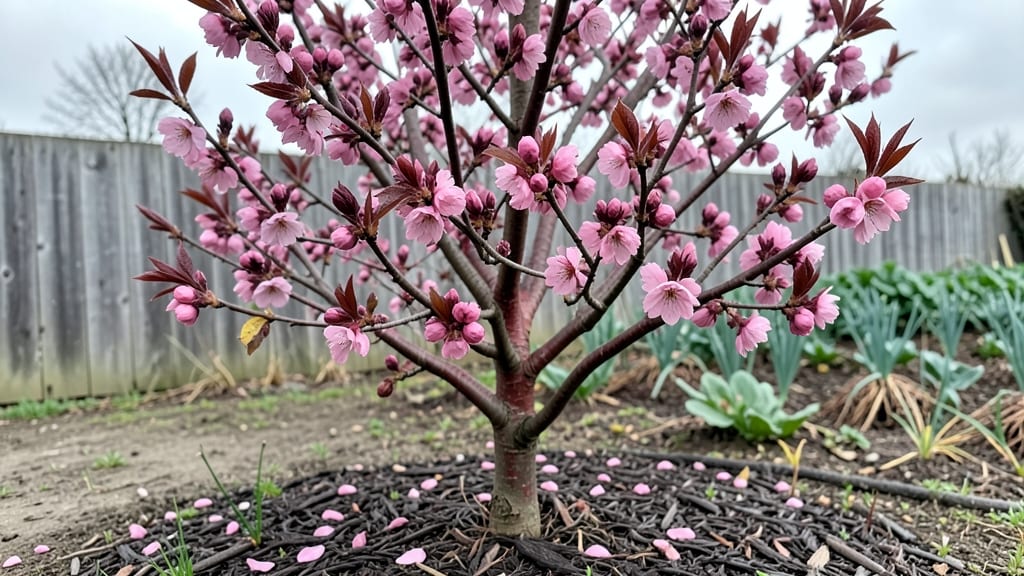
Growing a flowering plum in Newport means you get stunning spring blooms that even salty winds and sandy soil can’t stop.
Newport’s coastal climate—with its salty breezes, unpredictable storms, and sandy soil—can make growing flowering plum trees a challenge, but the right varieties thrive here with stunning blooms and minimal fuss.
This ornamental tree 🌸 isn’t just about beauty—it’s tough enough to handle Newport’s unique conditions while adding year-round interest. Whether you’re planting for curb appeal or a small garden, the key is choosing the right cultivar and giving it the right care.
In this guide, I’ll walk you through the best varieties for Newport’s climate, planting tips, and how to keep your tree blooming year after year—no matter what Mother Nature throws at it.
Top 5 flowering plum tree varieties that survive Newport’s coastal challenges
Newport’s coastal environment demands salt-tolerant and wind-resistant flowering plum varieties that can handle sandy soil and salty air. The right choices will reward you with vibrant blooms and minimal maintenance, even in stormy conditions.
These five top varieties are proven performers for Newport’s microclimates, offering diverse bloom times and hardy growth habits.
When selecting a flowering plum for Newport, prioritize dwarf or semi-dwarf varieties to avoid storm damage. Look for early bloomers like 'Okame' to enjoy spring color before summer storms arrive. Salt spray tolerance is critical—these varieties thrive near the coast without leaf burn.
I’ve tested these in Zone 7a conditions, where winter chills and summer humidity test even the hardiest trees.
Here’s how these five varieties compare for Newport’s coastal challenges, including bloom times, mature size, and care requirements:
'Okame' is my
How to plant and maintain flowering plums in Newport’s sandy, salty soil
Newport’s sandy, salty soil and coastal winds can stress flowering plum trees, but with the right approach, they’ll reward you with vibrant spring blooms and resilient growth. The key lies in amending soil, improving drainage, and adapting care to Newport’s microclimates.
I’ve planted these beauties along the coast and learned what works—here’s my proven method.
Flowering plums thrive in well-draining soil, but Newport’s native sand holds little moisture or nutrients. Organic matter and gypsum are your best allies here. Start by testing your soil’s pH—aim for 6.0-7.0, slightly acidic to neutral.
If your yard feels like a beach, don’t panic; these trees adapt with the right prep.
Step-by-Step Planting Guide for Coastal Conditions
Select a site with 6+ hours of sunlight and shelter from salt spray. Avoid low-lying areas where water pools after storms.
Mix 3 inches of compost and 1 cup of gypsum per hole to improve drainage and add nutrients. For extra resilience, add 1 part peat moss to native soil.
Dig a hole twice as wide as the root ball but only as deep. Set the tree so the graft union sits 2 inches above soil level to prevent rot.
Give the tree 2 gallons of water immediately after planting. Mulch with 3 inches of pine bark to retain moisture and protect roots from salt.
Remove weak or crossing branches in late winter. Thin the canopy by 20-30% to reduce wind resistance and prevent storm damage.
Apply a balanced 10-10-10 fertilizer in early spring and again after blooming. Avoid high-nitrogen fertilizers, which promote leafy growth over flowers.
Once planted, seasonal care keeps your flowering plum thriving. In spring, focus on watering deeply every 7-10 days—Newport’s sandy soil drains quickly. After blooms fade, apply a slow-release fertilizer to support summer growth. I’ve seen trees here bloom heavier the second year with consistent care.
Newport’s summer storms can strip branches, so inspect your tree after each major wind event. Prune damaged limbs immediately to prevent disease. In fall, reduce watering but keep the soil slightly moist. A light mulch layer insulates roots from winter temperature swings.
With these steps, your flowering plum will become a coastal standout, blooming reliably year after year despite Newport’s challenges. The secret? Prep the soil, protect from salt, and prune smartly—your tree will thank you with show-stopping spring color. 🌸