
Shrubs
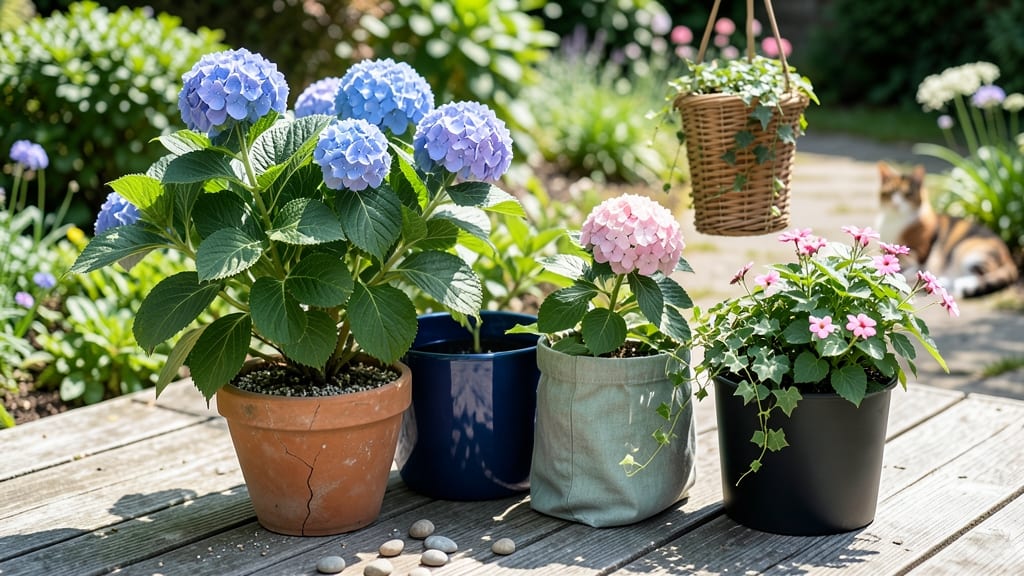
Flowering shrubs for containers bring bold color and effortless charm to patios, balconies, and small yards—without the fuss of sprawling gardens.
Picture this: a 12-inch pot bursting with year-round blooms, from spring’s delicate 🌸 to fall’s fiery hues, all thriving in a space smaller than a coffee table. That’s the magic of compact shrubs like abelia, dwarf gardenia, or hydrangea—plants that pack big personality into tiny footprints.
But here’s the catch: not all containers are created equal. The right pot, soil mix, and sunlight balance can mean the difference between a lush, blooming star and a sad, leggy shadow.
I’ll walk you through the top 10 low-maintenance picks, their care secrets, and how to layer them for nonstop color—so your balcony becomes the envy of the neighborhood.
Ready to skip the yard and still grow a garden that turns heads? Let’s get started with the easiest, most stunning shrubs for your containers.
Top 10 flowering shrubs perfect for container gardening
Container gardening opens up endless possibilities for small spaces, and flowering shrubs are my secret weapon for instant curb appeal. These compact powerhouses deliver seasonal blooms while thriving in pots, saving precious ground space.
Whether you have a sun-drenched balcony or a shady patio corner, there's a shrub that will flourish—and I've handpicked the best 10 for containers that won't outgrow their welcome.
What makes these shrubs ideal for containers? They're bred for controlled growth, often reaching just 2-3 feet tall at maturity. Many also offer year-round interest, with some providing fragrant blooms or striking foliage when not in flower.
Plus, their low-maintenance nature means you'll spend more time admiring them than fussing over them.
| Shrub Name | Mature Size | Sunlight Needs | Bloom Season | Container Size |
|---|---|---|---|---|
| Abelia (Abelia x grandiflora) | 3-4 ft tall | Full sun to part shade | Summer to fall | 12-15 inch pot |
| Dwarf Gardenia (Gardenia jasminoides) | 2-3 ft tall | Partial shade | Spring to summer | 10-12 inch pot |
| Hydrangea (Hydrangea macrophylla) | 3-5 ft tall | Partial shade | Summer to fall | 15-18 inch pot |
| Abutilon (Abutilon hybrid) | 2-3 ft tall | Full sun | Spring to fall | 10-12 inch pot |
| Dwarf Lilac (Syringa meyeri) | 3-4 ft tall | Full sun | Spring | 12-15 inch pot |
| Weigela (Weigela florida) | 4-5 ft tall | Full sun | Spring to summer | 15-18 inch pot |
| Dwarf Butterfly Bush (Buddleja davidii) | 3-4 ft tall | Full sun | Summer to fall | 12-15 inch pot |
| Boxwood (Buxus sempervirens) | 2-3 ft tall | Full sun to part shade | Spring | 10-12 inch pot |
| Dwarf Fothergilla (Fothergilla gardenii) | 3-4 ft tall | Full sun to part shade | Spring | 12-15 inch pot |
| Dwarf Azalea (Rhododendron simsii) | 2-3 ft tall | Partial shade | Spring | 10-12 inch pot |
My top pick for versatility is Abelia, which offers year-round interest with glossy foliage and summer-to-fall blooms. It thrives in full sun to part shade and handles container life beautifully.
For fragrant blooms, Dwarf Gardenia is unbeatable—just be prepared for its partial shade requirements and slightly acidic soil needs.
The Hydrangea brings showstopping blooms in shades of blue, pink, or purple, but it needs regular watering and larger containers to support its 3-5 foot height. If you love butterfly gardens, the Dwarf Butterfly Bush
How to choose and care for container-grown flowering shrubs
Container-grown flowering shrubs are a game-changer for small spaces, patios, or urban balconies. The key to their success lies in selecting the right container size, drainage system, and soil mix. Unlike in-ground plants, containers restrict root growth, so proper care ensures vigorous blooms and healthy foliage.
I’ve learned that even dwarf varieties like abelia or hydrangeas need specific conditions to thrive in pots.
Start by choosing containers with drainage holes—this prevents root rot, a common killer of potted shrubs. Terracotta pots are great for heat tolerance, while plastic retains moisture longer. The container should be 20-30% larger than the shrub’s root ball to allow room for growth without becoming top-heavy.
For example, a 12-inch pot works well for a 2-foot-tall dwarf gardenia.
⚠️ WARNING: Common Mistakes to Avoid ⚠️
⚠️ Root-bound stress occurs when roots circle the pot, choking growth. If roots peek through drainage holes, it’s time to repot into a larger container or prune roots gently before transplanting. Prune back 1/3 of roots to encourage outward growth.
⚠️ Poor soil mix drains too slowly or lacks nutrients. Use a well-draining potting mix with perlite or sand (20% by volume) to improve aeration. Avoid garden soil—it compacts and blocks roots. For acid-loving shrubs like azaleas, add peat moss or pine bark.
Seasonal care is just as critical as initial setup. In spring and summer, feed your shrubs with a balanced fertilizer (10-10-10) every 4-6 weeks to fuel blooms. I use slow-release granules mixed into the soil for convenience.
During fall and winter, reduce feeding to once every 8-12 weeks and cut back on watering—most shrubs enter dormancy.
Pruning isn’t just for shaping—it’s essential for encouraging new blooms. After flowers fade, trim back dead stems by 1/3 to stimulate fresh growth. For spring-blooming shrubs like lilacs, prune right after flowering to avoid cutting off next year’s buds.
Use sterilized shears to prevent disease spread, and always make cuts at a 45-degree angle just above a leaf node.
Light requirements vary by shrub, but most flowering varieties need 6+ hours of sunlight daily for vibrant blooms. Place containers on south- or west-facing patios for optimal exposure.
If your space is shady, choose low-light tolerant shrubs like impatiens or fuchsia. Rotate pots occasionally to ensure even growth—shrubs lean toward light sources, creating uneven shapes.
Don’t forget about mulching! A 1-inch layer of mulch (like bark or straw) retains moisture, regulates soil temperature, and suppresses weeds. Just keep mulch 2 inches away from the stem to avoid rot.
For extra protection in winter, wrap containers in bubble wrap or frost cloth if temperatures drop below 20°F. This simple step can save your shrubs from freeze damage and desiccation.