
Shrubs
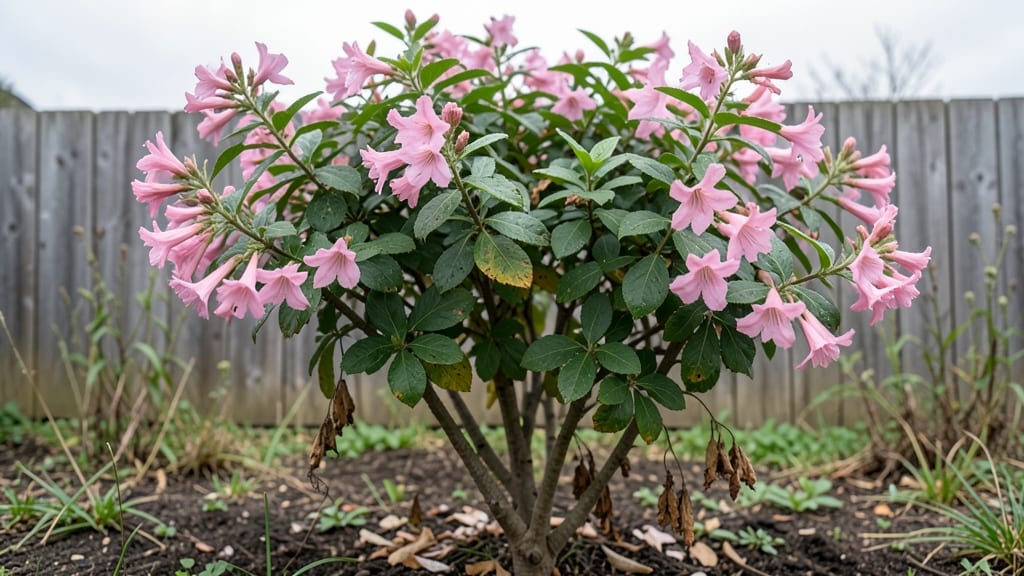
Growing flowering shrubs like Weigela 🌸 can turn your yard into a year-round burst of color—if you know the right tricks.
Struggling to keep your Weigela blooming like crazy every season? The secret isn’t just in the soil—it’s in how (and when) you prune. Discover the exact pruning techniques that will transform your Weigela from a one-time bloomer to a year-round floral powerhouse.
Weigela thrives in USDA Zone 6a and loves spring planting, but without proper care, those vibrant trumpet-shaped blooms can fade fast. Whether you’re a beginner or a seasoned gardener, mastering the art of pruning will give you the lush, nonstop blooms you’ve been dreaming of.
In this guide, I’ll walk you through the best pruning schedule, common mistakes to avoid, and how to keep your Weigela healthy and stunning for years to come.
When and how to prune Weigela for maximum blooms
Weigela shrubs burst with vibrant trumpet-shaped blooms that can transform your garden into a floral spectacle—but only if you prune them correctly and at the right time. Unlike many shrubs, Weigela blooms on new wood, meaning last year’s growth produces this year’s flowers.
If you prune at the wrong time, you risk cutting off next season’s blooms before they even form. The key is understanding Weigela’s blooming cycle and following a strategic pruning schedule that encourages nonstop flowers.
Most gardeners make one of two mistakes: pruning too late in the season (after blooms appear) or cutting back old wood that holds next year’s flower buds. The solution? A two-step pruning approach—first in late winter to shape the shrub, then in early spring to stimulate fresh growth.
This method ensures your Weigela stays lush, healthy, and covered in blooms from spring to fall. Let’s dive into the science and steps to make it happen.
Step-by-Step Weigela Pruning Schedule for Nonstop Blooms
-
Step 1: Late Winter Pruning (February-March)
Remove dead, diseased, or crossing branches to improve airflow. Cut back overly long stems by one-third to encourage bushier growth. This is your first opportunity to shape the shrub without risking next year’s blooms. -
Step 2: Early Spring Pruning (April)
After the last frost date and before new growth appears, prune again to remove any remaining weak stems. Focus on cutting back last year’s growth by one-third to stimulate fresh, flowering shoots. This step is critical for continuous blooms. -
Step 3: Post-Bloom Maintenance (Summer)
After flowers fade, lightly trim any leggy or overgrown stems to maintain shape. Avoid heavy pruning now—it can reduce next year’s blooms. Instead, focus on deadheading spent flowers to encourage more blooms. -
Step 4: Rule of Thirds for Stem Cutting
When pruning, always cut stems back to a bud or branch that’s one-third of the stem’s length from the base. This ensures new growth will form in the right place, maximizing flowering potential for the next season. -
Step 5: Clean Up Tools and Disinfect
After pruning, sterilize your tools with rubbing alcohol to prevent disease spread. Store pruned branches in a compost bin or use them for propagation if desired.
Timing is everything when pruning Weigela shrubs. The late winter pruning session (Step 1) removes last year’s spent blooms and shapes the shrub, while the early spring session (Step 2) kickstarts new growth that will produce this year’s flowers.
Think of it like giving your Weigela a fresh start—just as spring awakens the garden, you’re awakening its flowering potential.
Here’s a pro tip: If your Weigela hasn’t bloomed well this year, it might be overpruned in the past. Avoid cutting back more than one-third of the shrub in any single season. Over-pruning can leave your Weigela bare and stressed, with fewer blooms to show for it.
Patience and consistency are key—your Weigela will reward you with season-long color if you follow this schedule.
Another common mistake? Pruning after the first blooms appear. This removes the current year’s flowers and can also cut off next year’s buds. Instead, wait until after the blooms fade in summer for light maintenance. This approach keeps your Weigela blooming continuously from spring through fall.
For maximum blooms, pair your pruning schedule with a balanced fertilizer (like 10-10-10) in early spring. This gives your Weigela the nutrients it needs to produce lush, healthy growth and abundant flowers.
Water deeply after pruning to help the shrub recover and establish new roots. Within a few weeks, you’ll see fresh green shoots emerging—these are the stems that will carry next year’s blooms.
If you’re new to pruning Weigela, start small. Focus on removing dead wood and shaping the shrub in late winter, then observe how it responds. Over time, you’ll develop a feel for when to prune and how much to cut back.
Remember, Weigela is forgiving—even if you miss a year, it can bounce back with proper care. The goal is to create a healthy, balanced shrub that thrives and blooms year after year.
Finally, don’t forget to wear gloves and use sharp, clean pruners to make clean cuts. Ragged edges can invite pests and diseases, which can set back your Weigela’s growth. A little preparation goes a long way in keeping your shrub happy and blooming.
With these steps, your Weigela will become a year-round star in your garden, bursting with color and life. Happy pruning! 🌸✂️🌿
Common Weigela pruning mistakes that kill blooms (and how to fix them)
Your Weigela shrubs might look healthy, but if you're not seeing those vibrant trumpet-shaped blooms year-round, pruning mistakes could be the culprit. Many gardeners accidentally stunt their Weigela's growth by cutting at the wrong time or removing the wrong branches.
The good news? These errors are often reversible with the right techniques.
First, let's address the biggest myth: Weigela blooms on old wood—meaning last year's growth produces this year's flowers. If you prune too late or too aggressively, you risk removing next season's blooms before they even form.
Understanding this cycle is key to reviving a struggling shrub and encouraging nonstop color.
⚠️ Fatal Pruning Errors That Stop Weigela Blooms
1. Cutting after June – New blooms form on current year's growth, but pruning after mid-summer removes next year's flower buds.
2. Removing old wood – Last year's branches hold 70% of next season's blooms. Never cut back more than 1/3 of the shrub in one season.
3. Over-pruning – Aggressive cuts create a leggy, sparse shrub with fewer blooms. Weigela thrives on balanced pruning, not drastic cuts.
Fix it now: Stop pruning immediately and focus on light shaping cuts in early spring to encourage new growth.
One of the most common mistakes is pruning in fall or winter. Cold weather stresses Weigela, and open wounds from cuts won't heal properly. Instead, wait until late winter or early spring (just as new growth begins) to prune.
This timing ensures you're not removing potential blooms and gives the shrub time to recover before summer heat arrives.
Another silent killer is cutting too close to the stem. Always leave a 1/4-inch stub when pruning—this prevents disease and encourages faster healing. Use clean, sharp bypass pruners and make cuts at a 45-degree angle just above a leaf node. This simple technique reduces stress and promotes healthier regrowth.
If your Weigela has become overgrown and woody, don't panic. Start with a rejuvenation prune in early spring: cut back 1/3 of the oldest stems to the ground.
This drastic (but necessary) step encourages new, flowering branches. Follow up with regular light pruning each spring to maintain shape and bloom production.
Remember, Weigela is forgiving—even heavily pruned shrubs often bounce back with proper care. Focus on timing, technique, and balance, and you'll enjoy nonstop blooms from spring through summer. The key is patience and consistency—your Weigela will thank you with a dazzling display of color year after year!