
Plants
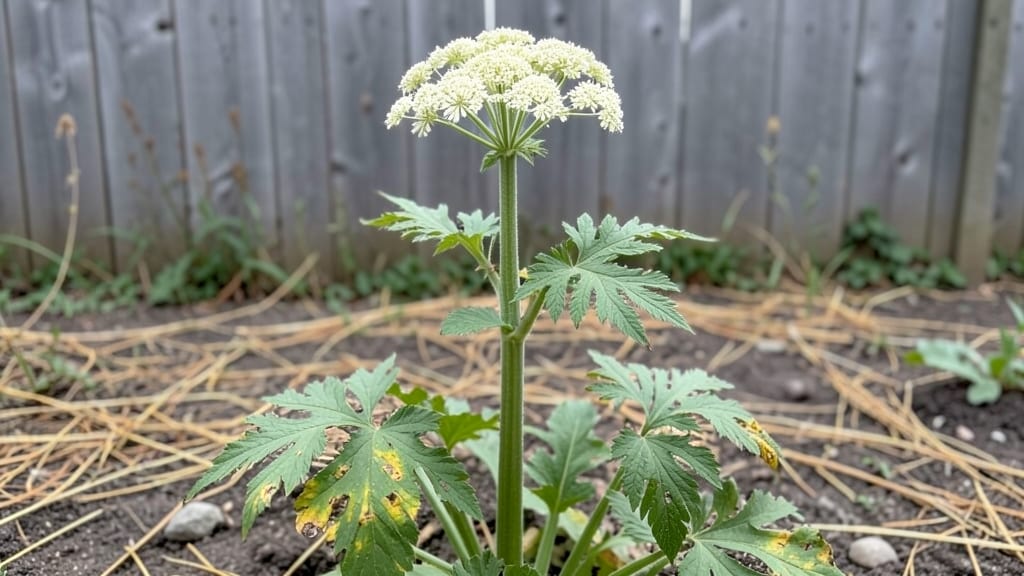
Growing a garden angelica flower 🌸 means adding a dramatic, six-foot-tall perennial to your garden that thrives in damp, shady spots while feeding pollinators.
But here’s the catch: this towering beauty takes two years to reach its full height, and seedlings often flop if you don’t mimic its native wetland soil. Skip the guesswork with my battle-tested tips for faster growth and fewer flops.
From cold-stratifying seeds in March to protecting them from slugs in USDA Zone 6a, I’ll walk you through every step—so you can enjoy those lacy umbels by July without the frustration.
You’ll learn how to balance moisture and drainage, when to prune for bushier stems, and why a little shade in summer keeps your angelica thriving when other plants wilt.
Garden angelica flower care: soil, sunlight, and water requirements for thriving growth
Garden angelica (Angelica archangelica) thrives when you mimic its native wetland conditions. This tall perennial needs moist, fertile soil and partial shade to reach its stunning 6-foot height. Without the right care, you’ll see yellowing leaves or flopping stems—so let’s fix that.
Native to Europe and Asia, garden angelica loves rich, humusy soil with a pH between 6.0 and 7.0. It also needs consistent moisture but hates soggy roots. Think of it as a moisture-loving giant that still needs airflow to prevent fungal issues.
Here’s the quick reference for its ideal growing conditions:
| Condition | Requirement |
|---|---|
| Soil Type | Rich, humusy, well-drained |
| Soil pH | 6.0–7.0 (slightly acidic to neutral) |
| Sunlight Needs | Partial shade (3–6 hours sun/day) |
| Water Needs | Consistently moist (1–2 inches/week) |
| Mature Height | 4–6 feet tall |
| Best Season | Spring to early summer |
For soil prep, mix in compost or aged manure to improve fertility. Garden angelica hates dry soil—think boggy but not waterlogged. If your garden drains poorly, raise beds or add organic matter to improve aeration.
When it comes to sunlight, this plant thrives with morning sun and afternoon shade. Too much direct sun can scorch its large leaves, while too little shade may stunt its growth. A dappled light spot under trees works perfectly.
Watering is critical—deep soakings 2–3 times per week keep roots happy. Mulch with straw or wood chips to retain moisture and suppress weeds. Avoid overhead watering to prevent fungal diseases like powdery mildew.
In spring and summer, feed your angelica with a balanced fertilizer (5-10-10) every 4–6 weeks. Stop fertilizing in fall and winter to let the plant rest. Over-fertilizing leads to leaf burn or weak stems.
Watch for yellowing leaves, which often signal overwatering or poor drainage. Floppy stems? Your plant needs more support (try stakes) or less water. Aphids or slugs may also attack—spray with neem oil or set beer traps.
With the right moisture, soil, and sunlight, your garden angelica will reward you with fragrant umbels and towering stems that attract bees and butterflies. Mimic its wetland home, and you’ll grow a showstopper perennial for years.
Step-by-step guide to growing garden angelica from seed indoors and outdoors
Growing garden angelica (Angelica archangelica) from seed is a rewarding but delicate process. Unlike many perennials, these seeds require cold stratification to break dormancy, mimicking their natural winter cycle.
Whether you're starting indoors for an early jumpstart or sowing directly outdoors, timing and container choice play critical roles in ensuring strong, healthy seedlings. Let’s break down each stage with my proven tips for faster germination and disease prevention.
The key to success lies in moisture control and temperature consistency. Angelica seeds need a damp, cool environment to sprout, which is why cold stratification is non-negotiable. If you rush this step, germination rates plummet, and seedlings may emerge weak or fail entirely.
For indoor starters, I recommend beginning this process 8-10 weeks before your last frost date—typically late winter or early spring in most climates.
Here’s your step-by-step roadmap, complete with pro tips to avoid common pitfalls:
Place seeds in a damp paper towel or moistened peat moss inside a sealed plastic bag. Store in your refrigerator’s crisper drawer (34–40°F) for 4-6 weeks. Check weekly—seeds should remain damp but not soggy. This mimics winter conditions and triggers germination.
Use sterilized seed-starting mix in 3-inch pots or a shared tray with drainage holes. Plant seeds ¼ inch deep and space them 1 inch apart. Label containers—angelica seedlings look like tiny ferns and can be confused with weeds! Cover with a humidity dome or plastic wrap to retain moisture.
Move containers to a warm spot (65–70°F) under grow lights or near a south-facing window. Keep soil consistently moist—never waterlogged. Germination takes 2-4 weeks. Thin seedlings to 2 inches apart once they have 2 true leaves to prevent overcrowding.
Acclimate seedlings to outdoor conditions by placing them in partial shade for 1-2 hours daily, gradually increasing exposure. Avoid direct sun—young leaves burn easily. Water deeply before moving them outside to reduce transplant shock.
Choose a moist, shady spot with well-draining soil. Space seedlings 18-24 inches apart—they’ll reach 5-6 feet tall! Dig a hole twice as wide as the root ball and water thoroughly. Mulch with 2 inches of organic matter (like compost) to retain moisture and deter weeds.
Keep soil consistently moist but avoid waterlogging—angelica hates soggy roots. Fertilize lightly in spring with a balanced 5-10-10 mix. Stake tall stems if needed, and prune dead flowers to encourage reblooming. Divide clumps every 3-4 years to prevent overcrowding.
For outdoor sowing, skip stratification and plant seeds directly in fall (8-10 weeks before last frost) or early spring after soil temperatures drop below 50°F. This mimics their natural germination cycle and often yields stronger plants. Just be prepared for slower initial growth—patience is key with angelica!
Pro tip: If you’re in a hot, dry climate, consider growing angelica near a pond or water feature. Their native wetland habitat translates to high moisture needs—even in partial shade. A drip irrigation system can save you time and ensure consistent watering, especially during summer droughts.
🌱