
Flowers
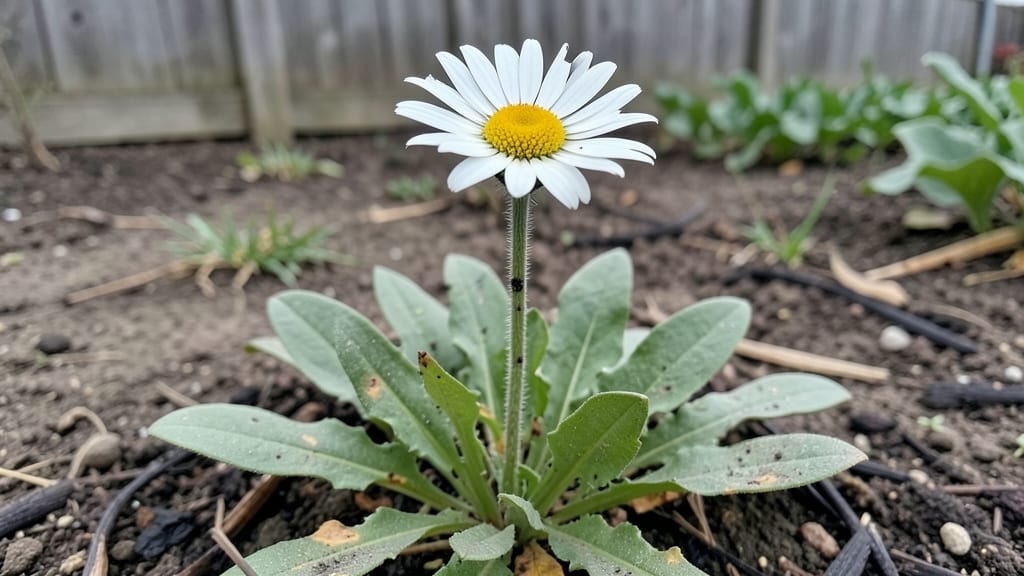
Growing a garden daisy flower 🌼 is easier than you might think — these cheerful perennials thrive with minimal fuss and reward you with blooms that return year after year.
Picture this: a low-maintenance flower that pops up in spring, dances through summer, and even surprises you with late-season color. The secret? A little sunlight, the right soil, and knowing when to step back and let nature do its magic.
Whether you're a first-time gardener or a seasoned pro, these hardy plants adapt to most climates in USDA Zone 6a and beyond. I’ll walk you through planting, watering, and care tips that keep your daisies flourishing from March through September — and even beyond.
Ready to add a splash of color without the hassle? Here’s how to make your garden daisies the star of the show with simple, foolproof techniques.
How to plant garden daisy flowers for maximum blooms
Garden daisies (Bellis perennis and related species) are one of the easiest perennials to grow, but their maximum blooms depend on following a few key planting principles. These cheerful flowers thrive when given the right soil conditions, sunlight exposure, and proper spacing.
Unlike annuals, garden daisies reward you with year-round returns when planted correctly in early spring, just after your last frost date.
Before you begin, ensure your garden spot gets at least 6-8 hours of full sun daily—their golden centers need sunlight to stay vibrant. Well-draining soil is critical, as soggy roots lead to rot. If your garden soil is heavy clay, mix in compost or sand to improve drainage.
Garden daisies are adaptable but truly shine when given these ideal conditions, making them perfect for border plantings, rock gardens, or even container growing.
Prepare the Planting Site
Choose a location with full sun exposure (6-8 hours daily). Loosen the soil to a depth of 12 inches and remove any weeds. For heavy clay soil, amend with 2-3 inches of compost or aged manure to improve drainage and fertility.
Select Healthy Plants or Seeds
If planting bare-root plants, soak roots in water for 1-2 hours before planting. For seeds, sow them 1/4 inch deep in well-prepared soil. Choose disease-resistant varieties like 'White Queen' or 'Chelsea Ruby' for longer blooming seasons.
Plant at the Correct Depth
Dig holes twice as wide as the root ball but only as deep as the container. Place plants so the crown sits just above soil level—burying too deep causes rot. Space plants 9-12 inches apart for dwarf varieties or 18-24 inches apart for larger types like Shasta daisies.
Water Thoroughly After Planting
Give newly planted daisies a deep watering to settle the soil. Water again in 3-4 days and then maintain 1 inch of water weekly during the growing season. Avoid overhead watering to prevent fungal diseases like powdery mildew.
Apply Mulch for Moisture Retention
Spread a 2-3 inch layer of mulch (like straw or shredded bark) around each plant, keeping it 2 inches away from stems. Mulch helps retain moisture, suppress weeds, and regulate soil temperature—critical for continuous blooming throughout the season.
One of the secrets to maximum blooms is understanding that garden daisies thrive in cool-season conditions. While they tolerate heat, they often go dormant in peak summer if stressed.
To encourage a second flush of flowers, deadhead spent blooms regularly by pinching off the old flower heads with your fingers or clean pruners. This redirects energy from seed production back into new growth.
For container gardening, choose pots with drainage holes and use a lightweight potting mix. Garden daisies in containers need more frequent watering—check soil moisture daily in hot weather. Place containers in bright, sunny spots and rotate them occasionally for even growth.
With the right container size (at least 12 inches wide), you can grow multiple daisies in one pot for a stunning display.
If you're planting from seed, start indoors 6-8 weeks before your last frost date. Seeds germinate best at 60-65°F and typically sprout in 7-14 days. Transplant seedlings outdoors after hardening them off for 1-2 weeks.
Seed-grown daisies may take 2 years to reach their full blooming potential, but they’ll reward you with self-seeding and naturalized drifts over time.
For year-round blooms, consider planting Oxeye daisies (Leucanthemum) alongside your garden daisies—they bloom later in the season. Mixing varieties creates a continuous color show from early spring through fall. Just remember: well-drained soil and full sun are non-negotiable for these sun-loving perennials.
After planting, monitor your garden daisies for common pests like aphids or slugs. Aphids can be washed off with a strong spray of water, while slugs are deterred by copper tape barriers or diatomaceous earth.
With proper care, your garden daisies will not only return every year but also multiply naturally, spreading joy across your landscape.
Year-round maintenance tips for perennial garden daisies
Keeping your garden daisy flower vibrant through all seasons isn't complicated—just a few seasonal adjustments make all the difference. These hardy perennials reward consistent care with long-lasting blooms and lush foliage. The key lies in understanding their seasonal needs and adapting your routine accordingly.
From spring deadheading to winter mulching, each season offers unique opportunities to nurture your daisies. I've learned that proper pruning and pest prevention are just as important as watering and fertilizing. Let's break down how to give your garden daisies the attention they deserve year-round for maximum impact.
In spring, your garden daisies will wake up hungry after winter dormancy. I always start with a light fertilizer application in early spring to jumpstart growth.
This is also the perfect time to remove old mulch and replace it with fresh organic matter. Deadheading spent blooms regularly prevents seed formation, redirecting energy into new flowers.
When summer heat arrives, your daisies will need more frequent watering—especially in containers. I've found that watering in the early morning minimizes evaporation and reduces fungal risks. If you notice yellowing leaves, it might signal overwatering or nutrient deficiency. A quick soil test can help diagnose the issue.
As fall temperatures drop, your daisies will begin their natural decline. This is the time to reduce watering gradually and stop fertilizing entirely. I always cut back dead foliage but leave some stems for winter interest.
Adding a thick layer of organic mulch protects roots from freezing and insulates the soil.
During winter, most garden daisies enter dormancy, but some varieties like Shasta daisies may stay green. I check for hidden pests under mulch and remove any diseased stems. If your region experiences harsh winters, consider adding extra mulch or a protective cover for young plants.
With these seasonal adjustments, your garden daisies will reward you with vibrant blooms year after year. The key is consistency—small efforts in each season add up to big results! 🌼