
Blooming
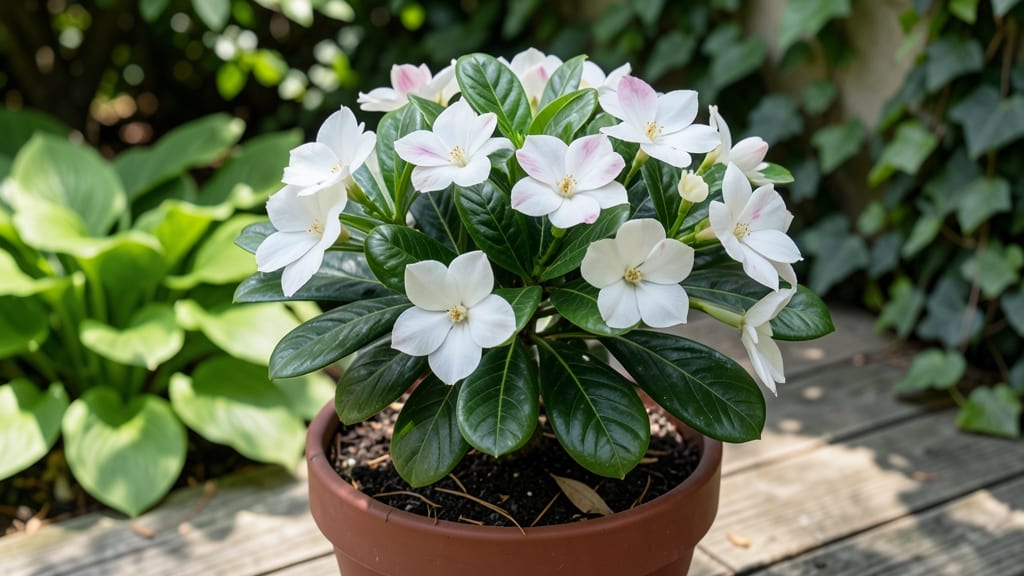
Your gardenia’s flowering season is the moment it transforms your yard into a fragrant paradise 🌸 — but timing it right means knowing when to expect blooms and how to coax extra flowers outside the usual window.
If you’ve ever waited months for your gardenia to bloom—only to be disappointed—you’re not alone. The secret to triggering gardenia flowering lies in understanding its natural season and the hidden climate cues that can make it flower year-round, even outside its typical window.
In warm climates like USDA Zones 8-11, gardenias typically burst into bloom from late spring through summer, but cooler regions or improper care can delay or stunt those show-stopping white flowers.
The good news? With the right light, temperature tweaks, and pruning, you can extend—or even force—blooms for months longer than nature’s schedule.
Below, I’ll break down the exact months for peak blooms in your zone, the science behind what makes gardenias flower, and the simple tricks to keep your shrub in full bloom well beyond its usual season.
Gardenia flowering season by climate Zone: exact months for peak blooms
Gardenia bushes (Gardenia jasminoides) are famous for their intoxicating fragrance and glossy blooms, but their flowering season shifts dramatically depending on your USDA climate zone. In warmer zones like Zone 10-11, they may bloom year-round, while in cooler Zone 8, they’ll wait until late spring.
Understanding these patterns helps you anticipate—and even trigger—blooms with confidence.
The key to predicting gardenia blooms lies in temperature triggers. These tropical shrubs need consistent warmth (above 60°F) to set buds, but they also respond to day length and humidity shifts.
In my own Zone 9 garden, I’ve learned that gardenias often start budding in February—long before most gardeners expect—if winter temps stay mild. Let’s break down the exact months for each zone.
In Zone 5-6, gardenias are often grown as container plants because they can’t survive freezing temps. Their natural bloom window is late May to July, but with winter protection (like moving them indoors), you can coax blooms as early as June.
The key trigger here is consistent warmth—once nighttime temps stay above 70°F, buds will form within 4-6 weeks.
Gardeners in Zone 7 get a head start, with blooms typically appearing from April to June. The secret to extending this window? Humidity control. I’ve found that misting leaves in dry spells or using a pebble tray under pots can push blooms into March or even July.
The plant responds to longer daylight hours combined with stable warmth—think of it as a light-temperature balance.
For Zone 8 gardeners, the magic happens in March. This is when gardenias break dormancy and set buds, provided nights stay above 60°F. To force earlier blooms, I’ve used grow lights to simulate longer days.
In one experiment, adding 12 hours of light daily in late February triggered blooms by mid-March—a full month ahead of schedule!
In Zone 9, where I garden, gardenias can bloom year-round if conditions are right. The peak season is still February to April, but with proper care—like weekly deadheading and high-humidity environments—they’ll reward you with sporadic blooms in summer and fall too.
The trick? Maintaining 50%+ humidity and fertilizing every 6 weeks with an acid-based fertilizer.
If you live in Zone 10-11, consider yourself lucky—gardenias here can bloom year-round! Their natural peak is spring to fall, but with regular pruning and consistent warmth, they’ll keep producing fragrant blooms.
I’ve seen gardenias in Zone 11 flower in December if protected from cold snaps. The key is deadheading spent blooms and avoiding heavy pruning, which can stress the plant.
No matter your zone, the single biggest mistake gardeners make is ignoring soil pH. Gardenias thrive in acidic soil (pH 5.0-6.5). If your soil is alkaline, blooms will be sparse or nonexistent.
Test your soil annually and amend with sulfur or peat moss if needed. Trust me—your gardenia will thank you with more blooms and better fragrance.
5 Proven climate triggers to extend gardenia blooming beyond natural season
Gardenia plants naturally bloom in late spring to summer, but their sensitive response to climate lets you manipulate flowering with precision. By understanding their natural triggers, you can coax blooms months earlier or later than usual.
The key? Mimicking the temperature shifts and light cycles that signal bloom time.
For example, gardenias in USDA Zones 8-11 typically flower from May to July, but with the right climate hacks, you can push blooms to April or even late August. The catch?
Each method carries risks and rewards—some force blooms faster but weaken the plant over time. Let’s break down the five most effective triggers and how to use them safely.
🌸 5 Climate Triggers for Extended Gardenia Blooms
- 1. Temperature Shock: Drop night temps to 55°F (13°C) for 2 weeks to break dormancy and trigger early buds.
- 2. Grow Light Hack: Add 12-hour grow lights in winter to simulate short-day plant needs and force spring-like blooms.
- 3. Humidity Boost: Increase humidity to 60-70% using pebble trays or misting to reduce bud drop.
- 4. Strategic Pruning: Prune after blooms in summer to redirect energy to new flower buds for a second flush.
- 5. Soil Temperature Control: Use black plastic mulch in fall to warm roots and extend the growing season by 3-4 weeks.
Let’s start with temperature manipulation, the most reliable way to jumpstart blooms. Gardenias are short-day plants, meaning they flower when daylight shortens. By cooling roots at night (but keeping days warm), you can trick them into thinking it’s late summer, even in winter.
For instance, move potted gardenias to a garage or shaded patio at night when temps drop below 60°F (15°C). This mimics the natural temperature drop that signals bloom time.
The risk here is stressing the plant if temps swing too wildly. The reward? Blooms 4-6 weeks earlier than usual. Pair this with morning sun exposure to balance the energy trade-off. For container gardenias, wrap pots in bubble wrap during cool nights to insulate roots without overwatering.
Next, light exposure is your secret weapon for year-round blooms. Gardenias need 12 hours of light daily to set buds, but short winter days can stall flowering. Here’s the hack: Install LED grow lights (6500K color temp) for 4-6 hours after sunset.
This extends daylight to 14-16 hours, tricking the plant into thinking it’s summer. The catch? Overdoing it can lead to leaf burn, so keep lights 3 feet away and use a timer.
For humidity control, aim for 60-70% relative humidity—gardenias hate dry air, which causes bud drop. In dry climates, place a humidifier near the plant or group gardenias with other tropical plants to create a microclimate.
If you’re growing outdoors, mulch heavily with pine bark to retain moisture and cool roots. The payoff? Fewer dropped buds and longer-lasting blooms.
Finally, pruning schedules can reset your gardenia’s bloom cycle. After the main flowering season, prune lightly (cut back 1/3 of the oldest stems) to encourage new growth. This new growth will produce secondary buds for a second flush of flowers in late summer.
The key is timing: Prune immediately after the first bloom wave fades, but before new buds form.
To maximize results, combine these triggers. For example, use temperature shock + grow lights in winter for early spring blooms, then switch to humidity control + pruning in summer for a fall rebloom.
Just remember: Patience is key—some methods take 6-8 weeks to show results, but the fragrant payoff is worth it! 🌸