
Flowers
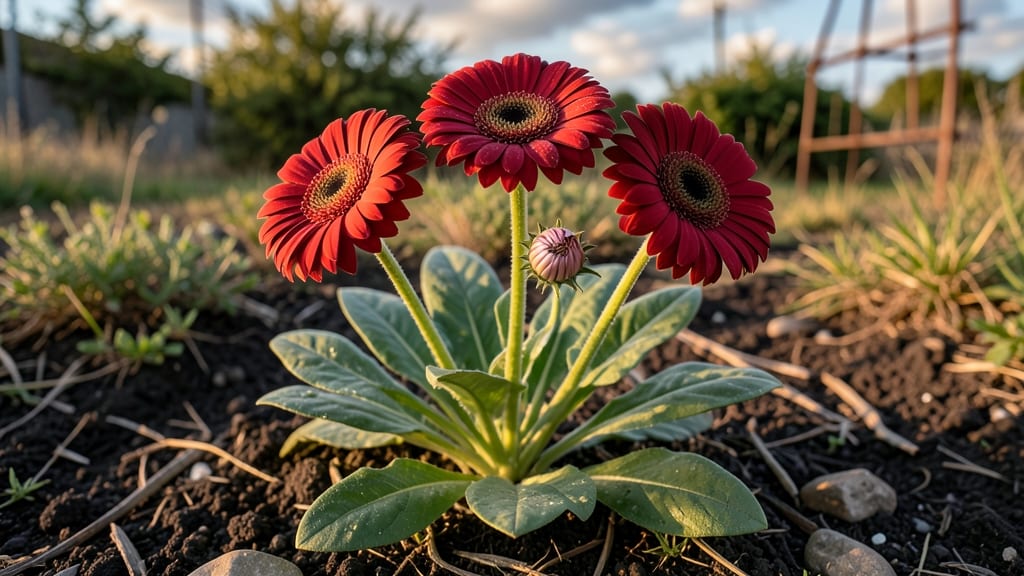
Gerbera daisies flower in late spring through summer 🌸, but their bloom time can stretch or shrink depending on care and climate.
Picture this: you’ve waited months for those bright blooms, only to watch them fade too soon. The secret isn’t luck—it’s understanding how light, temperature, and even pruning tricks can extend their show.
From USDA Zone 6a to warmer regions, gerberas thrive with 6+ hours of sun and consistent moisture. But without the right timing on fertilizing or deadheading, you might miss peak blooms entirely.
In this guide, I’ll break down the exact care steps to coax longer, fuller blooms—plus how to pick the best gerbera variety for your area.
Understanding gerbera flowering seasons and natural triggers
Gerbera daisies (🌸) thrive in spring through fall, but their exact flowering time depends on climate, light exposure, and variety. Most gardeners see peak blooms from June to September, aligning with warm, sunny days. However, with the right care, you can coax earlier or later flowers.
These cheerful blooms are day-neutral, meaning they flower regardless of daylight length—but they still need specific triggers. Temperature shifts, sunlight intensity, and even dormancy periods play critical roles in when your gerberas burst into color. Let’s break down the science behind their seasonal cycles.
🌱 Key Trigger #1: Temperature Gerberas prefer 60-75°F (15-24°C) for optimal growth. Below 50°F (10°C), blooming slows dramatically. In cooler zones (USDA 6a-8b), they may need winter protection to restart flowering in spring.
🌞 Key Trigger #2: Sunlight These sun-worshippers need 6+ hours of direct light daily. In low-light spots, stems stretch weak, and buds fail to open. South-facing windows or full-sun garden beds are ideal. Without enough light, flowering can be delayed by 2-4 weeks.
| Season | Optimal Temp Range | Sunlight Needs | Bloom Window | Care Tip |
|---|---|---|---|---|
| Spring | 55-70°F (13-21°C) | 6+ hours | May-June | Fertilize lightly to boost growth |
| Summer | 65-80°F (18-27°C) | Full sun | June-September | Water deeply 2x/week; deadhead spent blooms |
| Fall | 50-65°F (10-18°C) | 6 hours | September-October | Reduce watering; protect from early frost |
| Winter | 40-55°F (4-13°C) | Bright light | Dormant | Indoor pots: move to south window; outdoor: mulch heavily |
Did you know gerberas often enter dormancy in winter? This natural pause helps them store energy for next year’s blooms. In USDA zones 9-11, they may flower year-round, but in cooler areas, a 6-8 week dormancy (with temps below 55°F (13°C)) ensures stronger spring regrowth.
🌡️ Temperature Tips: Sudden cold snaps can shock plants, causing buds to drop. Use row covers in fall or move potted gerberas indoors before first frost. In summer, afternoon shade prevents heat stress in 100°F+ (38°C+) climates.
Light quality matters too! Gerberas need bright, indirect light for bud formation. Cloudy days can delay blooming by 10-15 days. If growing indoors, supplement with a grow light 12 inches away for 6 hours daily during short winter days.
Pro tip: Deadheading spent blooms redirects energy to new buds, extending your gerbera’s flowering season by 3-4 weeks. Pinch back leggy stems in early spring to encourage bushier, more prolific blooms. This simple trick works for both garden beds and container gerberas.
For container gardeners, potting mix quality impacts flowering time. Use a
How to extend gerbera blooms: seasonal care tips for longer flowers
Gerbera daisies thrive with the right seasonal adjustments, and I’ve found that a few targeted strategies can dramatically extend their flowering time. The key lies in understanding how light exposure, watering patterns, and nutrient timing interact to keep your gerberas blooming continuously.
Even in cooler months, with the right care, you can coax vibrant flowers well beyond their natural spring-to-fall window.
I’ve experimented with different techniques over the years, and the most effective approach combines pruning discipline, seasonal fertilizer adjustments, and protective winter measures. These methods don’t just prolong blooms—they also encourage healthier foliage and stronger stems.
Let’s dive into the practical steps that have worked best for me and my gerbera patches.
- 🌞 Maximize sunlight exposure by placing gerberas in full sun (6+ hours daily). In winter, supplement with grow lights for 4-6 hours to maintain bloom triggers.
- ✂️ Prune spent blooms immediately to redirect energy. Cut stems 1 inch above the next leaf node to encourage new growth and continuous flowering.
- 💧 Adjust watering seasonally: deep watering every 2 days in summer vs. bi-weekly in winter. Avoid soggy soil to prevent root rot.
- 🌱 Fertilize strategically: Use 10-10-10 balanced fertilizer every 4-6 weeks in spring/summer. Skip fall/winter feeding to let plants rest.
- 🏡 Protect from frost by moving potted gerberas indoors or covering outdoor plants with burlap or frost cloth before 32°F (0°C) temperatures.
One of the biggest mistakes I see gardeners make is over-fertilizing in fall, which can actually delay dormancy and weaken winter survival. Instead, I recommend tapering off fertilizers by September to prepare your gerberas for their natural rest period.
This small adjustment has helped my plants bounce back stronger in spring.
For container gerberas, I’ve had success using slow-release fertilizers in early spring, combined with a weekly liquid bloom booster during peak flowering months. The slow-release provides steady nutrients, while the liquid feed gives that extra push for vibrant colors.
Just be sure to flush the soil with water every 6 weeks to prevent salt buildup.
Winter care is where many gardeners drop the ball, but with mulching and light protection, you can keep gerberas blooming well into late autumn. I use 2-3 inches of straw mulch around the base to insulate roots, and a clear plastic dome over potted plants to trap warmth.
This simple setup has extended my flowering season by 4-6 weeks in colder climates.
Remember, gerberas are light-sensitive plants, so if you’re growing them indoors, position them near a south-facing window or under grow lights for at least 6 hours daily. Without adequate light, they’ll focus energy on foliage instead of flowers.
I’ve even kept gerberas blooming indoors through winter by supplementing with LED grow lights—a small investment for year-round color!