
Picking
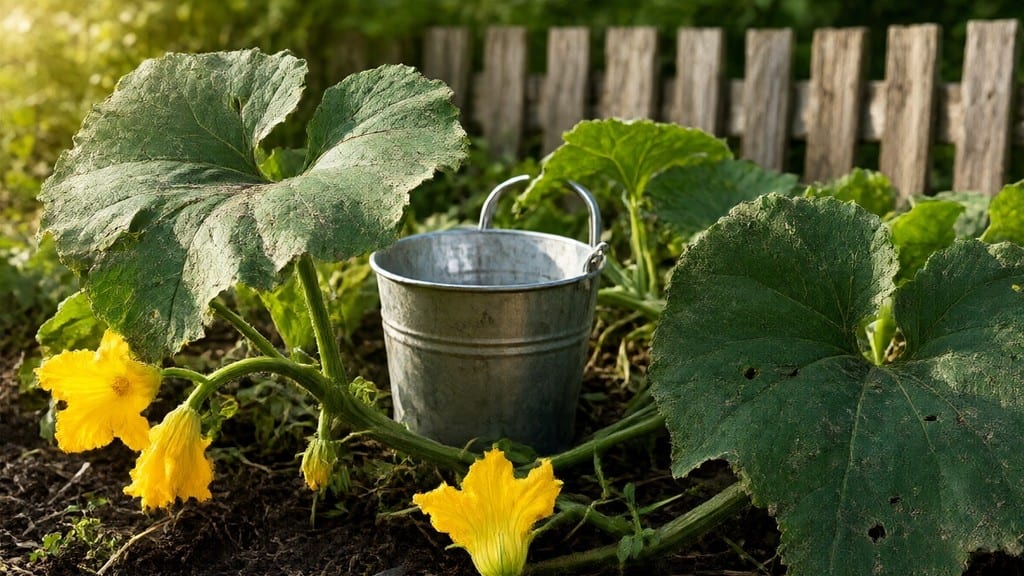
Harvesting squash flowers at their peak means you get the best flavor and help your plants produce more fruit. ✨ I learned the hard way—waiting too long turns those delicate blooms bitter, and picking too early means wasted effort.
The right timing turns a simple harvest into a double win for your garden.
You’ll need just a few basics: sharp scissors or pruning shears (to avoid tearing stems), a small basket for the flowers, and a sunny morning when the blooms are fully open but still tight.
Most varieties—like zucchini, pattypan, or acorn squash—yield the best flowers in the first hour after sunrise, when they’re crisp and packed with flavor.
With the right technique, you’ll end up with tender, fragrant blooms perfect for frying, stuffing, or tossing into salads. The plants reward you too—removing spent flowers directs energy back into fruit production, so you’ll actually get more squash to harvest later.
It’s a cycle that works beautifully once you get the timing down.
Works for all summer squash varieties, whether you’re growing in the ground or containers. The key is consistency—check your plants every other day once they start flowering, and you’ll have a steady supply of both edible blooms and homegrown squash all season long.
📚 In This Guide
- What you need
- Instructions
- Tips and common mistakes
- Wrapping up and next steps
What you need
- ● Fresh squash plants: Choose healthy, mature plants (like butternut, zucchini, or pumpkin) with open, vibrant flowers.
- ● Pruning shears or sharp scissors: Sterilized and clean to avoid spreading disease (1 pair).
- ○ Gloves (optional but recommended): Lightweight gardening gloves to protect your hands from prickly stems.
- ● Small basket or container: A breathable mesh bag or shallow tray to hold flowers (avoid plastic to prevent wilting).
- ● Water spray bottle: For lightly misting flowers if they begin to wilt during harvest.
- ● Labeling tags: If you’re experimenting with different squash varieties, mark harvested flowers for tracking.
- ● Food-safe storage container: For refrigerating flowers until use (e.g., a paper towel-lined box).
- ● Recipe inspiration: A notebook or phone to jot down your favorite squash blossom dishes!
Step-by-Step instructions for harvesting squash flowers at peak edibility
Here's the foolproof method I use to pick squash blooms when they're most flavorful and vibrant.
🌿 Step 1: Identify the Perfect Blooms to Harvest
Focus on female flowers—they're the stars of your harvest! These have a tiny squash at their base (the future fruit). Male flowers grow on long stems with no squash bump. I always harvest female flowers first because they're more delicate and perish faster once picked.
Check blooms in the early morning when dew is still on the petals. This is when they're freshest and most flavorful. Look for fully open flowers with vibrant yellow or orange petals—no brown edges or wilting. A good bloom should feel firm to the touch, like a crisp piece of paper.
🌱 Step 2: Use the Right Tools for Clean Harvesting
Grab your sharp pruning shears—never pull flowers by hand! I use clean, sterilized shears to avoid spreading disease between plants. Cut the stem at a 45-degree angle, about ½ inch below the flower. This prevents water from pooling on the cut and causing rot.
Work quickly but gently—squash vines are tender. I like to harvest 2-3 flowers per plant maximum to keep the plant producing. Too many cuts at once stresses the vine, and you'll end up with fewer blooms later. Watch for new buds forming near the base of the plant—these will be tomorrow's harvest!
☀️ Step 3: Harvest at the Ideal Time of Day
Timing matters more than you'd think! Harvest female flowers between 7-9 AM when they're fully open but still crisp. By midday, they start wilting, and the flavor becomes bitter. I always carry a small bucket of ice water with me in the garden—submerge flowers immediately after cutting to keep them fresh.
Don't wait until flowers are fully faded or starting to close. You'll know it's too late when petals turn brown at the edges or the center looks droopy. A perfect harvest flower should still feel slightly plump and smell sweetly fragrant. Store them in the fridge for up to 3 days—they're best used fresh!
✂️ Step 4: Prepare Flowers for Cooking Immediately
Once home, gently rinse flowers under cool water to remove any dirt or pests. Pat dry with a paper towel—never use a cloth, as it can bruise delicate petals. Remove any remaining stem bits and separate petals carefully. I like to trim the base of each petal to create a clean edge for frying or sautéing.
Use your flowers within 24 hours for the best texture and flavor. They're incredible in frittatas, tempura, or even as a garnish for soups. Save any extra blooms by freezing them—blanch in boiling water for 30 seconds, then shock in ice water before freezing. This preserves their color and flavor for up to 3 months!
Tips & tricks for perfect squash flower harvesting
A few game-changing tips to ensure you're harvesting the most flavorful, vibrant squash blooms every time!
The Female Flower Advantage: Female flowers are your goldmine—they're more delicate and packed with flavor, but they also wilt faster once picked. I've learned to prioritize them over male flowers, which can wait a day or two. Look for that tiny squash at the base (about the size of a pea) to identify them quickly.
Timing is Everything: That 7-9 AM window between Step 1 and Step 3 is non-negotiable! Dew-covered petals in the morning mean peak freshness. I've ruined batches by waiting until noon—those flowers turn bitter fast. Pro tip: If you're running late, harvest at dawn instead of waiting until later in the morning.
Tool Technique: The 45-degree angle cut in Step 2 isn't just about looks—it prevents water from pooling on the stem, which could cause rot. I sterilize my pruning shears with rubbing alcohol between plants to avoid spreading disease. And remember: 2-3 flowers per plant is your sweet spot—more than that stresses the vine and reduces future blooms.
Preservation Secrets: The 24-hour freshness window is real, but you can extend it! After rinsing and drying in Step 4, store flowers in a single layer on paper towels in the fridge. This keeps them crisp for up to 3 days. For longer storage, use the blanching method in Step 4—it preserves color and flavor for months!
Pro Tips for Harvesting Squash Flowers
- A few game-changing tips to ensure you're harvesting the most flavorful, vibrant squash blooms every time!
- The Female Flower Advantage: Female flowers are your goldmine—they're more delicate and packed with flavor, but they also wilt faster once picked.
- Timing is Everything: That 7-9 AM window between Step 1 and Step 3 is non-negotiable!
Frequently asked questions
Got questions about harvesting those stunning squash flowers? You’re not alone—let’s clear up the most common curiosities with simple, actionable answers!
When’s the best time to pick squash flowers?
Harvest in the morning after the dew dries but before 10 AM for the freshest, most tender blooms. Flowers open around sunrise and last about a day—pick them when fully unfurled but before they wilt. For zucchini or summer squash, this is usually 2–3 weeks after planting.
Can I harvest squash flowers if they’re already wilting?
Yes! Wilted flowers are still edible (just less crisp) and great for cooking. If you missed the window, pluck them gently and use them within a day. Bonus: Overripe flowers can even be saved for fermented dishes or dried for tea—waste not!
What if my squash plants aren’t producing flowers yet?
No flowers? Check these 3 fixes:
- Sunlight: Ensure plants get 6–8 hours of direct sun daily.
- Pollination: Hand-pollinate with a soft brush if bees are scarce.
- Fertilizer: Use a balanced, low-nitrogen feed (too much nitrogen = leaves, not flowers!).
How do I store harvested squash flowers?
Keep them fresh for 2–3 days by:
- Storing in a loose paper bag in the fridge (not plastic—traps moisture!).
- Using them within 24 hours for fritters or salads.
- Freezing (blanch first) for up to 3 months—great for soups!
What if my squash flowers taste bitter?
Bitter flavor usually means overmaturity or stress (like drought). Try these tweaks:
- Water deeply but consistently—avoid soggy soil.
- Harvest younger blooms (smaller, less developed).
- Pair with acidic ingredients (lemon, vinegar) to balance bitterness.
Wrapping up and next steps
Harvesting squash flowers is a rewarding way to elevate your cooking—and your garden! 🌸 By picking blooms at the right time (early morning, before they open fully) and using the proper tools, you’ll enjoy fresh, delicate flavors in salads, garnishes, or even fried treats.
Don’t let hesitation stop you: these edible blooms are easier to harvest than you think.
Ready to get started? Visit your garden today, grab your shears, and begin your floral culinary adventure! Share your harvest with friends or experiment with new recipes—your taste buds will thank you.