
Shrubs
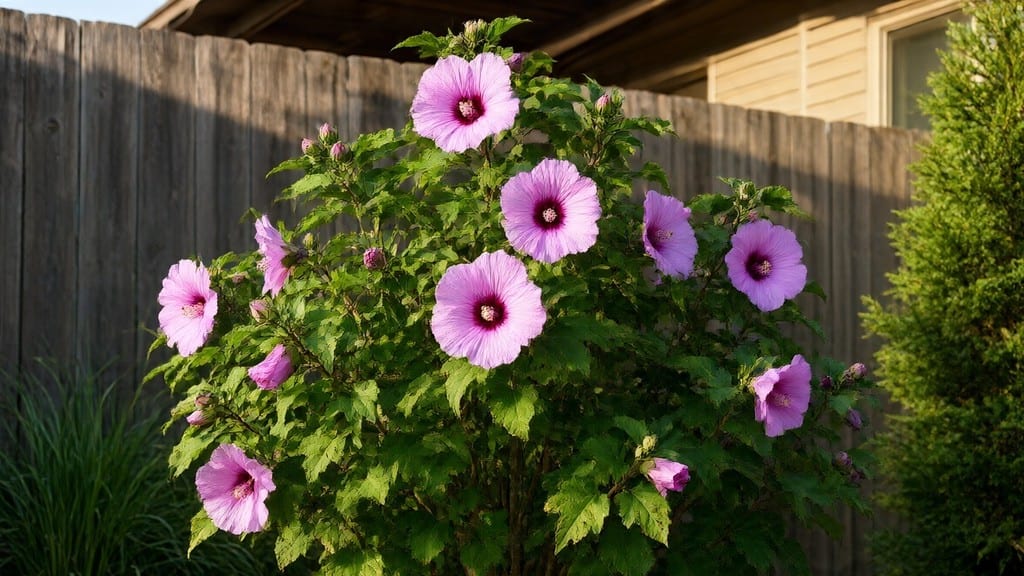
A hibiscus flowering tree can transform your yard into a tropical paradise with its bold, show-stopping blooms—but only if you give it the right care.
Imagine a backyard bursting with vibrant, tropical blooms that attract hummingbirds and turn heads all year long—your hibiscus flowering tree can make that vision a reality. But without the right care, even the hardiest hibiscus can struggle to thrive, leaving you with sparse blooms or wilted leaves.
From picking the perfect spot in your Zone 6 default garden to mastering the art of pruning and feeding, this guide covers everything you need to keep your hibiscus thriving. Whether you're dealing with summer heat or preparing for winter, we’ve got you covered.
Ready to unlock the secrets to non-stop hibiscus blooms? Let’s dive into the year-round care that will turn your tree into a flowering superstar.
How to choose and plant a hibiscus flowering tree for maximum blooms
Choosing the right hibiscus flowering tree starts with understanding the two main types: tropical hibiscus (like Hibiscus rosa-sinensis) and hardy hibiscus (such as Hibiscus syriacus). Tropical varieties thrive in USDA zones 9-11 and need year-round warmth, while hardy hibiscus can survive zones 5-9 with proper winter protection.
Your climate zone will dictate which variety flourishes best in your yard.
For maximum blooms, prioritize a location with 6+ hours of direct sunlight daily. Hibiscus trees love basking in the sun, but they also need protection from harsh afternoon rays in hot climates.
If your yard has intense afternoon heat, consider planting near a partial shade structure or in a spot with dappled sunlight.
| Category | Tropical Hibiscus | Hardy Hibiscus |
|---|---|---|
| Climate Zone | 9-11 (year-round warmth) | 5-9 (cold-hardy) |
| Sunlight Needs | Full sun (6+ hours) | Full sun to partial shade |
| Soil pH | 6.0-7.0 (slightly acidic) | 6.5-7.5 (neutral to slightly alkaline) |
| Water Needs | Consistent moisture (drought-sensitive) | Moderate (drought-tolerant once established) |
| Mature Height | 10-20 ft (standard) | 6-12 ft (compact varieties) |
| Winter Care | Indoor potting or frost cloth | Mulch and prune for dormancy |
Before planting, test your soil pH—hibiscus trees prefer a range of 6.0-7.0 for tropical varieties and 6.5-7.5 for hardy types.
If your soil is too alkaline, amend it with sulfur or peat moss to lower the pH. For sandy or clay-heavy soil, mix in 2-3 inches of compost or well-rotted manure to improve drainage and fertility.
Dig a hole twice as wide as the root ball but only as deep. This encourages roots to spread horizontally, which is crucial for stability and nutrient uptake. Gently remove the tree from its container and loosen any root-bound roots with your fingers.
Place the tree in the hole so the top of the root ball sits 1-2 inches above ground level to prevent waterlogging.
Fill the hole with native soil mixed with compost or organic matter, tamping lightly to remove air pockets. Water deeply to settle the soil and encourage root contact. Apply a 2-3 inch layer of mulch around the base, keeping it 6 inches away from the trunk to prevent rot.
Mulch retains moisture and regulates soil temperature, which is especially important in hot climates.
For optimal drainage, avoid planting in low-lying areas where water pools. If your yard has heavy clay soil, consider planting on a slight mound or in a raised bed to prevent root rot.
Tropical hibiscus, in particular, are sensitive to soggy roots, so ensure excess water has an escape route.
After planting, water your hibiscus tree every 2-3 days for the first two weeks to help roots establish. Once established, tropical hibiscus need consistent moisture, while hardy varieties can tolerate short dry spells.
Always water at the base of the plant in the morning to reduce evaporation and fungal risks.
To encourage abundant blooms, fertilize your hibiscus tree with a balanced 10-10-10 fertilizer in early spring, then switch to a phosphorus-heavy formula (e.g., 5-10-5) during the blooming season.
Avoid high-nitrogen fertilizers, which promote leafy growth at the expense of flowers. Organic options like fish emulsion or bone meal work well for long-term health.
Finally, protect your hibiscus from strong winds, which can damage delicate blooms and leaves. If you live in a windy area, plant near a natural windbreak like a fence or shrubbery.
With the right variety, location, and care, your hibiscus flowering tree will reward you with stunning blooms all season long!
Year-round pruning and fertilizing schedule for non-stop hibiscus flowers
A hibiscus flowering tree thrives on a consistent pruning and fertilizing routine to produce those stunning blooms year-round. Unlike seasonal flowers, hibiscus needs year-long attention to prevent yellowing leaves or sparse flowering.
The key? Timing—prune at the right season and feed with the right nutrients to keep your tree blooming like a tropical paradise.
Spring and fall are the critical pruning windows, while summer demands monthly feeding to sustain continuous blooms. Organic fertilizers like compost tea or fish emulsion work wonders, but synthetic options can deliver faster results.
Let’s break down the exact steps to keep your hibiscus in peak condition, month by month.
🌱 Year-Round Hibiscus Care Timeline
-
🌿 Early Spring (March-April)
PRUNERemove dead/diseased branches and trim overgrown limbs by 1/3 to encourage new growth. Apply light fertilizer (1 tbsp) to stimulate roots.
-
☀️ Late Spring (May-June)
FEEDStart monthly feeding with balanced 10-10-10 fertilizer (2 tbsp). Prune spent blooms to redirect energy to new flowers.
-
🌞 Summer (July-August)
FEED + PRUNEContinue bi-weekly feeding and prune wilted flowers daily. Monitor for pests—neem oil sprays help prevent infestations.
-
🍂 Early Fall (September-October)
PRUNEReduce feeding to light applications (1 tbsp). Prune to shape the tree and remove weak growth before winter.
-
❄️ Winter (November-February)
RESTSkip fertilization. Mulch the base (3-4 inches) to insulate roots. Prune only dead wood—avoid heavy cuts.
For organic fertilizers, compost tea or worm castings are excellent choices—they improve soil health while providing nutrients. If you prefer synthetic options, a slow-release granular fertilizer like 10-10-10 works best during the growing season. Always water deeply after fertilizing to prevent root burn.
Watch for yellowing leaves, which often signal overwatering or nutrient deficiencies. Adjust your watering schedule—hibiscus prefers deep soaks every 3-5 days but hates soggy soil. In hot climates, increase watering to daily deep soaks during peak summer months.
Pro tip: Deadhead flowers regularly to encourage more blooms. Simply pinch off wilted blooms at the base with clean pruners. This simple step can double your flower production in just a few weeks! With this schedule, your hibiscus will reward you with non-stop color all year.
🌺