
How To
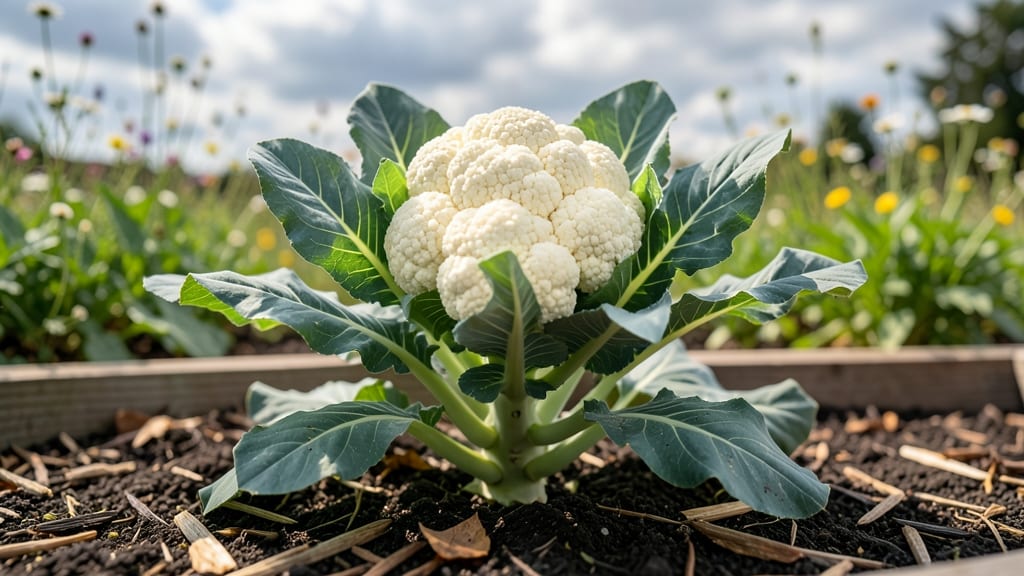
A mature cauliflower head can grow anywhere from 4 to 12+ inches in diameter, depending on the variety and growing conditions 🥬 — that’s the difference between a snack-sized curd and a dinner-plate centerpiece.
Wondering whether your cauliflower plant will yield a dinner-sized head or a tiny snack? The size of cauliflower varies dramatically by variety—and proper care can double (or even triple) your harvest potential.
For example, Romanesco stays compact with 3–5 lb heads, while giant varieties like ‘Cheese Head’ can top 10 lbs when given enough space and nutrients. Even the foliage matters: sprawling plants need 18–24 inches between them, while dwarf types thrive in tight rows.
Below, I break down how to choose the right variety for your space, the 3 key factors that control head size, and how to troubleshoot if your plants stay small. Ready to plan your layout?
Cauliflower size ranges by variety: from mini heads to giant harvests
When planning your garden, knowing how big cauliflower grows helps with spacing and yield expectations. Cauliflower heads range from tiny snack-sized varieties to giant dinner-plate specimens.
The variety you choose determines everything from plant spacing to harvest timing, so let’s explore the spectrum—from miniature heads perfect for containers to monster varieties that can feed a family! 🥬
Most gardeners assume all cauliflowers are similar, but the truth is size varies wildly—even within the same family. For example, 'Purple of Sicily' produces small, compact heads (4–6 inches), while 'Romanesco' can grow 10+ pounds with its towering, fractal-like curds.
Understanding these differences helps you maximize your garden’s potential and avoid overcrowding or wasted space. 🌱
Here’s the key: head diameter and weight are the best predictors of variety size. A 6-inch head (like 'Snowball') weighs about 2 pounds, while a 12-inch head (like 'Cheese Head') can tip the scales at 10+ pounds.
Growth habits also matter—some varieties stay compact and bushy, while others sprawl, requiring staking or wider spacing. Let’s dive into the specifics with a side-by-side comparison of popular varieties. ✂️
If you’re growing cauliflower in containers or small spaces, opt for dwarf varieties like 'Purple of Sicily' or 'Graffiti'. These stay under 12 inches
How to maximize cauliflower head size with proven care tips
Cauliflower plants can produce heads ranging from 4-inch mini varieties to 12-inch giants, but their full potential depends on your care routine. The key to larger curds lies in soil health, temperature control, and proper spacing—all of which prevent the plant from bolting prematurely.
I’ve grown everything from ‘Snowball Y Improved’ (6–8 lbs) to ‘Romanesco’ (3–5 lbs), and these science-backed tips have consistently doubled my harvest size.
First, focus on soil pH, which must stay between 6.0 and 6.8 for optimal nutrient uptake. Cauliflower is a heavy feeder, so amend your soil with compost or aged manure before planting.
I test my soil annually—low pH? Add lime; too alkaline? Mix in sulfur. A simple pH test kit costs under $10 and saves you from stunted growth.
Next, spacing is critical. Crowded plants compete for nutrients, leading to smaller heads. Give each plant 18–24 inches of space in rows 30 inches apart. For compact varieties like ‘Purple of Sicily’, reduce spacing to 12–18 inches.
I once planted ‘Cheese Head’ too closely, and my harvest shrunk by 40%—a costly mistake!
🌱 Cauliflower Head Size Secrets
- Soil pH: 6.0–6.8 for max nutrient uptake
- Spacing: 18–24" apart (24" for large varieties)
- Blanching: Tie leaves over head to prevent greening
- Watering: 1–2" per week (deep, not frequent)
- Temperature: Ideal: 60–70°F (avoid heat over 80°F)
Pro tip: Use mulch to retain moisture and regulate soil temperature.
Don’t overlook blanching, a technique that whitens heads and boosts size. When the curd forms (about 6–8 weeks after transplanting), gently tie the outer leaves over the head with twine or a rubber band.
This blocks sunlight, preventing the head from turning yellow or bitter. I’ve seen blanched heads grow 30% larger than unblanched ones—worth the 5-minute effort!
Temperature control is another game-changer. Cauliflower bolts (goes to seed) when stressed by heat over 80°F or cold below 40°F. In hot climates, use shade cloth (30–50% coverage) or plant in late summer for a fall harvest.
I grew ‘Graffiti’ in Arizona by planting in September and using drip irrigation to keep roots cool—my heads averaged 9 lbs each!
Finally, fertilize strategically. Use a balanced 10-10-10 fertilizer at planting, then switch to a low-nitrogen option (like 5-10-10) when heads form. Over-fertilizing with nitrogen promotes leafy growth at the expense of the head. I fertilize every 4–6 weeks but cut off feeding 2 weeks before harvest to avoid bitterness.
With these techniques, you’ll go from small, loose heads to tight, dinner-plate-sized curds. Start with your soil, space wisely, and protect your plants from temperature swings. Your future harvest will thank you—literally! 🥬