
Planting
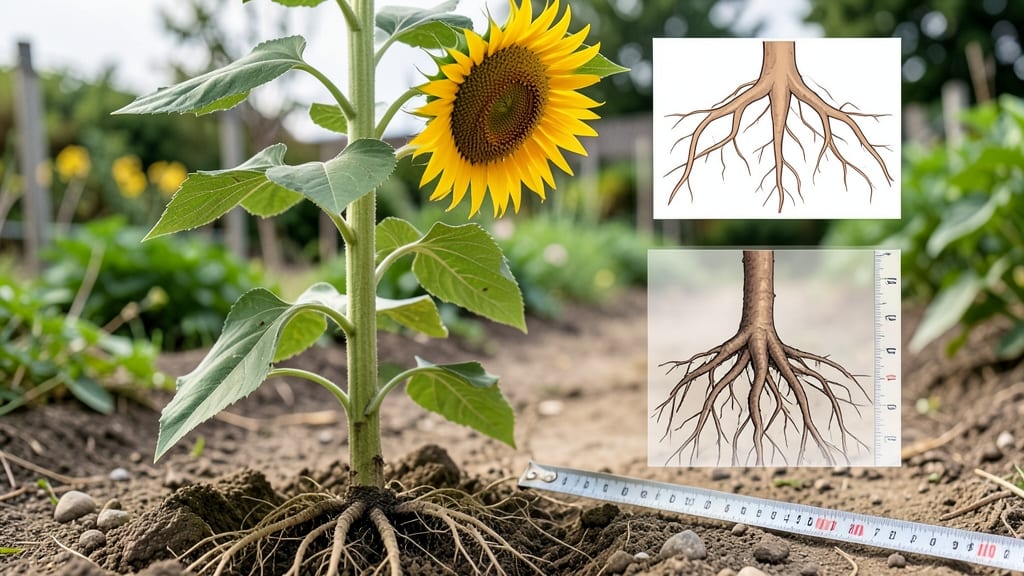
Sunflower roots grow surprisingly deep—often reaching 2 to 3 feet in mature plants—to anchor those towering stems against wind and drought.
You might assume their roots stay shallow, but that’s a common misconception. Without proper depth, even the hardiest 🌻 varieties can topple or struggle in poor soil. The secret to strong sunflowers lies below the surface, where roots spread wider and deeper than you’d expect.
Understanding root depth helps with spacing, watering, and soil prep. Too little room, and roots compete; too much water, and they rot. Below, I’ll break down how deep sunflower roots go, what affects their growth, and how to give them the best shot at thriving.
From dwarf varieties to giants, every sunflower type has its own root quirks. Learn how to support them—whether through staking, soil amendments, or smart watering—for plants that stand tall all season.
Sunflower root depth explained: how far underground do they grow?
Sunflowers may reach towering heights above ground, but their root systems are just as impressive—and just as critical to their success. While the stems can grow 6 to 15 feet tall, the roots work silently below to anchor the plant and absorb nutrients.
Understanding sunflower root depth helps gardeners plant correctly, avoid overcrowding, and support strong growth.
Most sunflower varieties develop taproots that penetrate 12 to 36 inches deep, with secondary lateral roots spreading 18 to 24 inches wide. The depth varies by maturity stage, soil type, and even the sunflower variety you’re growing.
For example, giant sunflowers like 'Mammoth' may need deeper roots to support their height, while dwarf varieties like 'Teddy Bear' stay shallower.
Here’s how their roots develop: the primary taproot grows straight down, while secondary roots branch out horizontally. This structure helps them access moisture and nutrients from deeper soil layers, especially in dry conditions.
However, compacted or rocky soil can restrict root growth, leading to weaker plants that struggle to stay upright.
| Stage | Root Depth | Lateral Spread | Key Notes |
|---|---|---|---|
| Seedling (0-2 weeks) | 2-4 inches | 4-6 inches | Primary taproot forms; shallow lateral roots. |
| Vegetative (3-6 weeks) | 12-18 inches | 12-18 inches | Rapid root expansion; deeper penetration. |
| Flowering (7-10 weeks) | 24-36 inches | 18-24 inches | Maximum depth; supports tall stems. |
| Mature (10+ weeks) | 30-48 inches | 24-36 inches | Deepest roots; drought-resistant. |
Genetics play a huge role in root depth. For instance, Russian Mammoth sunflowers—known for their 12-foot stems—often develop roots that reach 36 to 48 inches deep.
In contrast, dwarf varieties like 'Sunspot' may only reach 12 to 24 inches. This variation means spacing and soil prep should match the sunflower type you’re growing.
Soil type also impacts root growth. Loamy soil with good drainage encourages deeper roots, while clay or rocky soil can stunt them. If your garden has compacted soil, consider amending it with compost or sand to help roots penetrate more easily.
Even a 1-inch layer of mulch can improve soil structure over time.
Watering habits affect root depth too. Deep, infrequent watering encourages roots to grow downward in search of moisture, while shallow, frequent watering can lead to weak, surface-level roots. Aim to water 1 to 2 inches per week, especially during dry spells, to promote healthy root development.
Understanding sunflower root depth also helps with plant spacing. Since roots spread 18 to 24 inches wide, planting them 12 to 18 inches apart prevents competition for nutrients and water. Overcrowding can lead to shallow roots and weaker plants, especially in windy areas where stability matters.
For gardeners in wind-prone regions, deeper roots are a game-changer. Sunflowers with roots reaching 24 inches or more anchor better, reducing the need for staking. However, if you’re growing tall varieties in exposed areas, combining deep roots with light staking can prevent toppling during storms.
In summary, sunflower roots are a marvel of nature—deep, strong, and essential for their towering growth. By understanding their depth and spread, you can plant with confidence, amend your soil for better penetration, and give your sunflowers the best chance to thrive from root to bloom.
Factors affecting sunflower root depth: soil, climate, and variety
Sunflower roots may seem mysterious, but their depth depends heavily on three key factors: soil conditions, climate, and sunflower variety. While mature sunflowers typically develop roots reaching 12 to 36 inches deep, these variables can push that range further or limit it significantly.
For example, giant varieties like 'Mammoth' often exceed 3 feet, while dwarf types like 'Teddy Bear' rarely surpass 18 inches. Understanding these factors helps gardeners optimize planting strategies and soil care.
Your soil type plays a starring role in root development. Compacted or clay-heavy soils restrict root growth, forcing sunflowers to spread laterally instead of diving deep. Sandy soils, on the other hand, allow roots to penetrate more easily, reaching their full potential depth.
Even the moisture level matters—roots grow deeper in search of water during dry spells, but soggy conditions can suffocate them. Testing your soil’s drainage before planting can prevent shallow root systems.
Climate also shapes root depth. In hot, arid regions, sunflowers develop deeper roots to access groundwater, sometimes reaching 4 feet or more. Cooler climates with consistent moisture may limit depth to 12-24 inches.
Temperature extremes—whether too hot or too cold—can stunt root growth entirely. If you're in a region with frost risks, opt for early-maturing varieties to ensure roots establish before winter sets in.
Optimizing Sunflower Root Depth
✅ Pros of Deep Roots
- Stability: Resists wind better
- Drought tolerance: Accesses deep water
- Nutrient access: Reaches deeper soil layers
❌ Cons of Shallow Roots
- Topples easily in wind or storms
- Drought stress in dry spells
- Poor nutrient uptake from surface soil
Tip: Loosen soil to 12 inches deep before planting to encourage deeper root growth.
Choosing the right sunflower variety is another game-changer. Tall varieties like 'Russian Giant' (12+ feet) develop deep taproots to support their height, often exceeding 3 feet in depth. Conversely, dwarf varieties such as 'Sunspot' (1-2 feet tall) have shallower roots, rarely going beyond 12-18 inches.
If your garden has poor soil or high winds, consider semi-dwarf varieties like 'ProCut'—they strike a balance with roots around 2 feet deep while offering better stability.
To encourage deeper roots, focus on soil aeration and consistent moisture. Avoid overwatering, which can lead to surface roots. Instead, water deeply once or twice a week, especially during dry spells.
Adding compost to your soil improves structure, making it easier for roots to penetrate. For wind-prone areas, pair deeper-rooted varieties with staking to provide extra support while roots establish.
Remember, sunflower roots are a dynamic system—they adapt to their environment. By paying attention to soil health, climate conditions, and variety selection, you can help your sunflowers grow the strong, deep roots they need to thrive.
Whether you're growing them for their stunning blooms or edible seeds, healthier roots mean happier plants all season long! 🌱