
Light Requirements
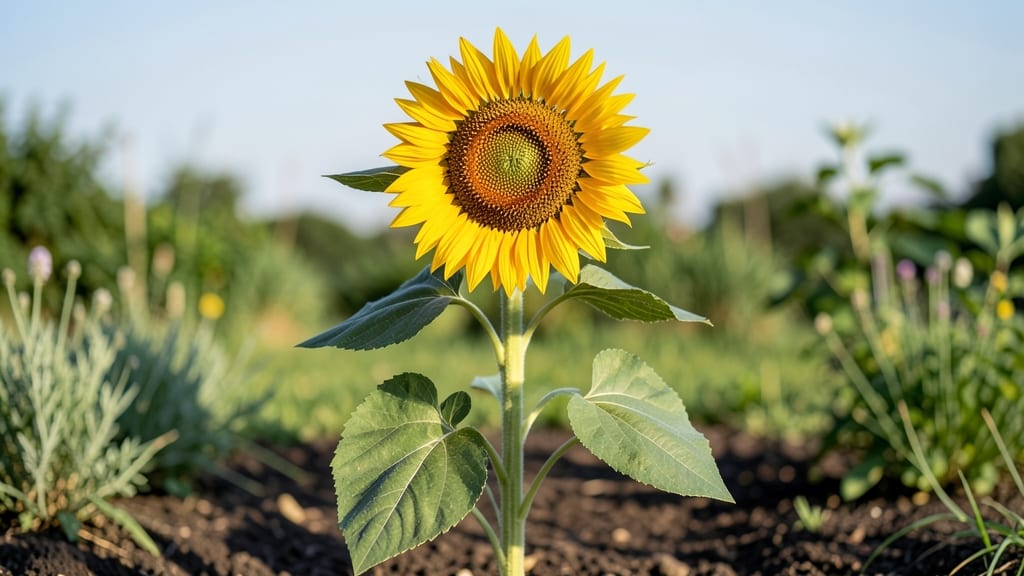
How much light does a sunflower need? The answer is simple: 6 to 12 hours of direct sunlight daily to thrive and reach their towering, blooming potential 🌻.
Picture this: you’ve just planted your sunflower seeds with high hopes, only to watch them stretch toward the light like they’re reaching for a distant promise. That leggy growth isn’t just a quirky habit—it’s a cry for more sun.
Without enough light, your sunflowers might never bloom, or worse, they’ll flop over before they even get a chance to shine.
Most gardeners assume sunflowers will do fine in partial shade, but that’s where the magic happens—full sun is non-negotiable for those iconic blooms.
Whether you’re growing them in your backyard or on a balcony, understanding how many sunlight hours they truly need is the difference between a dwarf plant and a sun-soaked giant.
In this guide, I’ll break down exactly how many sunlight hours your sunflowers crave, how to spot when they’re not getting enough, and even some clever tricks to give them a light boost if your garden isn’t quite sunny enough.
Let’s get those sunflowers soaking up the rays the way they’re meant to!

Ideal sunlight requirements for sunflowers: hours and intensity
Sunflowers thrive under bright, direct sunlight, making them one of the most sun-hungry plants in your garden. While they can tolerate some variations, 6 to 12+ hours of full sun per day is ideal for producing those iconic large, vibrant blooms you love.
Without enough light, your sunflowers may grow tall but leggy with few—or no—flowers at all.
In regions with intense sunlight, like the American Southwest, sunflowers can handle 12+ hours of direct sun without issue.
However, in cooler or cloudier climates, like the Pacific Northwest, they may still thrive with 6 to 8 hours of full sun, especially if paired with reflective surfaces like white gravel or light-colored walls.
The intensity of sunlight also matters. Sunflowers need bright, unfiltered light, not dappled shade. If you’re growing them in partial shade, expect slower growth, smaller blooms, and weaker stems.
For best results, place them in the sunniest spot in your garden, even if it means competing with taller plants.
| Growth Stage | Minimum Sunlight Hours | Optimal Sunlight Hours | Regional Adjustments |
|---|---|---|---|
| Seedlings | 4-6 hours | 6-8 hours | Use shade cloth if direct sun is too intense |
| Vegetative Growth | 6 hours | 8-10 hours | High-altitude areas need 2+ extra hours |
| Flowering Stage | 8 hours | 10-12+ hours | Tropical climates may need afternoon shade |
| Seed Maturation | 6 hours | 8-10 hours | Drier climates tolerate more sun |
Sunlight needs change as sunflowers mature through different stages. Young seedlings can handle 4-6 hours of sunlight but should gradually acclimate to full sun as they grow.
Once they reach the vegetative growth stage, they’ll need at least 6 hours of direct sun to develop strong stems and foliage.
During the flowering stage, sunflowers demand the most light—8 to 12+ hours of full sun—to produce large, vibrant blooms. If light drops below 6 hours daily during this phase, buds may fail to open or will be smaller and less colorful.
This is why gardeners in shadier climates often struggle with sunflowers that refuse to bloom.
In high-altitude regions, like Colorado or Utah, sunflowers may need 2 to 4 extra hours of sunlight due to lower UV intensity. Conversely, in tropical or desert climates, like Arizona or Florida, afternoon shade can prevent leaf scorch while still providing ample light.
Always observe your plants for signs of stress or wilting and adjust accordingly.
If you’re growing sunflowers in containers or urban settings, prioritize south-facing windows or balconies. Even in these spaces, ensure they get at least 6 hours of direct sunlight. Rotate pots regularly to encourage even growth and prevent leaning toward the light source.
For dwarf varieties, like 'Teddy Bear' or 'Moulin Rouge,' 6 to 8 hours of sun may suffice, but they’ll still produce bigger blooms with more light.
Meanwhile, tall varieties, such as 'Russian Giant' or 'Mammoth,' require 10+ hours of full sun to reach their full height and maximize seed production.
Pro tip: Use a sunlight tracker or app to monitor daily light exposure. If your sunflowers aren’t getting enough, consider transplanting them to a sunnier spot or supplementing with grow lights during shorter days.
With the right light, your sunflowers will reward you with stunning blooms and towering stems that brighten any garden.
Signs your sunflowers aren’t getting enough light (and how to fix it)
Sunflowers stretched toward the light like eager sunbathers? That’s your first clue they’re light-deprived. When sunflowers don’t get enough light, they’ll grow tall and spindly, with pale yellow leaves instead of rich green ones.
Even worse, they might skip flowering entirely, leaving you with just a tall green stalk and no blooms.
But here’s the tricky part: too much sun can also harm them. Scorched leaves or wilting in heat means they’re getting too intense sunlight, especially in hot afternoons. Balancing sunlight exposure is key—especially for indoor sunflowers or those in shady spots.
🌱 PROS-CONS BOX: Sunlight Needs for Sunflowers
Maximizes growth & blooms
Can scorch leaves
Slower growth, smaller blooms
Leggy stems, no flowers
Balanced growth
Weak stems, poor blooms
If your sunflowers show leggy stems or pale leaves, they’re begging for more light. Try moving them to a sunnier spot or using a reflective surface (like white paint or aluminum foil) to bounce extra light onto them.
For indoor sunflowers, a south-facing window is your best bet, but supplement with a grow light if needed.
Over-exposure? Watch for yellowing leaves or crispy edges. In this case, provide afternoon shade with a lightweight shade cloth or move them slightly eastward. Dwarf varieties handle partial shade better than tall ones, so consider switching if your space is limited.
For container sunflowers, rotate the pot every few days to ensure even light exposure. If you’re growing in urban gardens with limited space, opt for dwarf sunflowers like ‘Moulin Rouge’ or ‘Teddy Bear,’ which tolerate slightly less sun.
Remember: sunflowers are sun-hungry but adaptable. With the right balance, you’ll get those bright blooms you’re dreaming of! 🌻