
Flowers
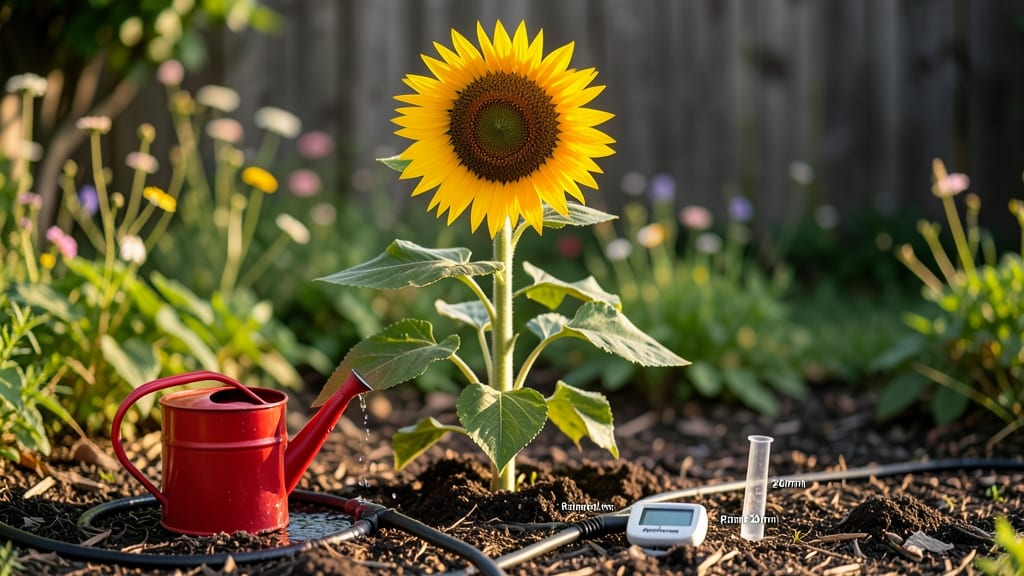
Sunflowers need 1 to 2 inches of water per week to grow strong and tall 🌻, but timing and consistency matter just as much as the amount.
Picture this: you’ve just planted your seeds in April, and the soil feels like a desert after a week of dry heat. That’s when even the hardiest sunflowers start to struggle—wilting before they’ve barely sprouted.
Too much water, though, and you’ll drown those delicate roots before they’ve had a chance to spread.
Here’s the secret: young seedlings need frequent, shallow watering to keep the soil moist but not soggy, while mature plants can handle deeper, less frequent drinks.
I’ll break down exactly how much to water at each stage, how to tell when your sunflowers are thirsty or drowning, and how to adjust for your local climate—whether you’re in a hot, dry USDA Zone 6a or a humid summer.
By the end, you’ll know exactly when to water, how deep to go, and what to watch for so your sunflowers reach their full 8-to-16-foot potential without a single wasted drop.


Sunflower watering requirements by growth stage: weekly schedule
Sunflowers thrive with consistent moisture but hate soggy roots—especially as they grow. Their water needs change dramatically from seedling to maturity, so understanding each stage is key. Germination demands damp soil, while mature plants can handle brief dry spells.
Let’s break down the exact schedule your sunflowers need to reach their full 10-foot glory.
I’ve grown sunflowers in everything from sandy desert soils to clay-heavy gardens, and the biggest mistake I see is inconsistent watering. Too much at once causes rot, while skipping water during heatwaves stunts their towering growth.
The solution? A stage-specific approach that keeps roots happy without drowning them. Here’s how to do it right, week by week.
🌱
For the first 2 weeks, I swear by the "finger test": Stick your index finger ½ inch into the soil. If it feels dry, water immediately—sunflower seedlings cannot recover from wilting.
During the vegetative stage (when they shoot up like rockets), aim for 1-1.5 inches of water weekly. This is when you’ll see those 4-foot-tall stems emerge if you’re consistent.
When buds form, cut back slightly to 1 inch per week. Too much water here causes bud drop, and you’ll be left with a stem but no flowers. I’ve lost count of how many times I’ve seen this happen—always water deeply but less frequently.
For mature plants, let the top 1-2 inches dry out between waterings. They’re drought-resistant now, but their roots still need oxygen.
💧
Adjust for your climate: In high heat (90°F+), water every 2-3 days regardless of stage, and always in the early morning to prevent fungal diseases. If you’re in a humid region, reduce to every 5-7 days—excess moisture invites powdery mildew.
And if rain is forecast, skip scheduled waterings to avoid root suffocation. I once drowned my sunflowers during a rainy week and watched them rot at the base.
Pro tip: Use a soaker hose or drip irrigation for mature plants. It delivers water directly to the roots without wetting the leaves, which is crucial during the flowering stage.
I’ve seen sunflowers reach 12 feet tall using this method—half the height of my neighbors’ plants that got surface watering. The difference is night and day.
Finally, mulch heavily (3-4 inches of straw or wood chips) to lock in moisture. This single trick has saved me 30% on watering during summer. Just remember: Never mulch right up against the stem—leave a 2-inch gap to prevent rot.
With this schedule, your sunflowers will grow strong, straight, and stunning—no guesswork involved.
☀️
Signs of overwatering vs. underwatering sunflowers: what to watch for
Sunflowers may look tough, but they’re sensitive to watering extremes. Overwatering drowns roots, while underwatering stresses the plant—both can kill your sunflowers if ignored. Learning these visual cues will help you adjust watering habits before damage sets in.
Start by checking the soil moisture with your finger: damp but not soggy is ideal.
Yellowing leaves are the first red flag, but don’t assume it’s always overwatering. If the yellowing starts at the bottom leaves and the soil feels waterlogged, you’re overdoing it.
However, if the yellowing spreads upward and the soil is dry, your sunflower is thirsty. Leaf texture matters too—soft, mushy leaves signal too much water.
Wilting is tricky because it can mean both overwatering and underwatering. Here’s how to tell: If the wilting happens quickly after watering and the leaves feel slimy or droopy, roots are suffocating.
But if wilting occurs during hot days and the soil is bone-dry, it’s a cry for water. Morning wilting that recovers by afternoon is normal, but evening wilting is a warning sign.
Overwatering
- 🌱 Yellow leaves (bottom-up)
- 🌱 Mushy stems at base
- 🌱 Foul-smelling soil
- 🌱 Slow growth despite watering
Underwatering
- 🌱 Dry, crispy leaves (edges first)
- 🌱 Wilting in heat (no recovery)
- 🌱 Soil pulls away from pot
- 🌱 Stunted growth with dry soil
Stem rot is a silent killer in overwatered sunflowers. Check the base of the stem—if it feels soft, dark, or smells like rot, you’ve created a breeding ground for fungus. Blackened roots or a hollow stem confirm the problem.
For underwatered sunflowers, look for dry, brittle stems that snap easily. Both issues require immediate action: trim away rotten sections and adjust watering habits.
To prevent overwatering, I use the "finger test": Stick your finger 2 inches into the soil. If it’s damp, wait. If it’s dry, water thoroughly. For underwatering, I water until 10-12 inches of soil is moist—sunflowers have deep roots! Morning watering is best to reduce evaporation and fungal risks.
Avoid evening watering, which keeps leaves damp overnight and invites disease.
Remember, sunflowers are resilient once established, but they need your attention during their first 4-6 weeks. Pay close attention to these signs, and your sunflowers will reward you with vibrant blooms and towering stems.
Adjust your watering routine based on what you observe—your sunflowers will thank you with healthier growth and longer vase life! 🌻