
Flowers
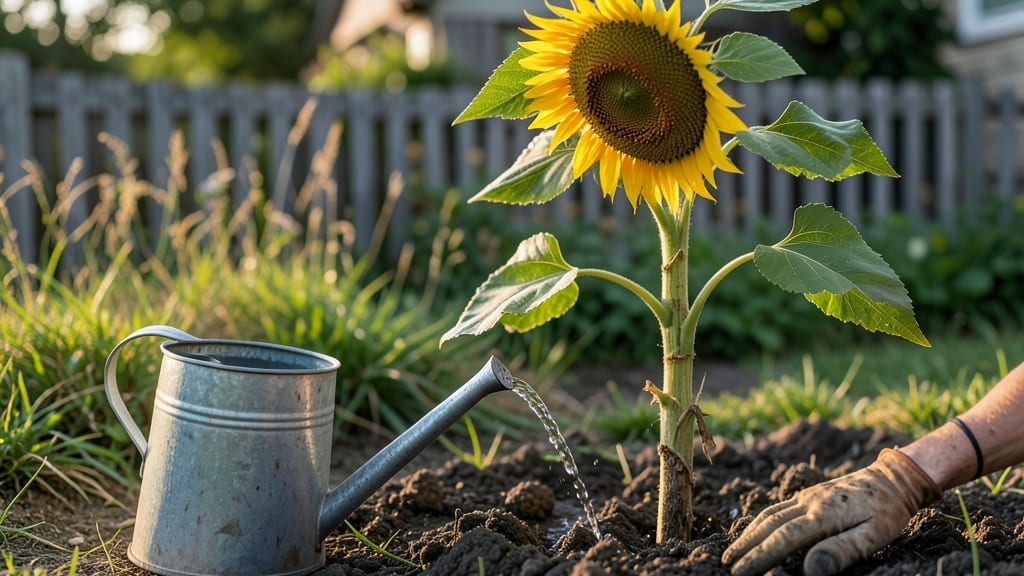
Sunflowers need to be watered how often depends on their growth stage—the real secret lies in how deep you water, not how often.
Picture this: your 🌻 sunflowers stand tall and proud, their stems sturdy, not flopping like overwatered weeds. That’s the difference between guesswork and a drought-resistant garden. Too little water, and they wilt; too much, and their roots suffocate.
The key? A deep soak that encourages roots to dive down, not just skim the surface.
Climate, soil type, and growth stage all change the equation. In USDA Zone 6a, April’s seedlings need frequent moisture, while July’s mature plants can stretch their roots for a week. Sandy soil drains fast—water more often—but clay holds moisture longer, so you’ll adjust accordingly.
In this guide, I’ll break down the exact watering schedule for each stage, how to check soil moisture without a guess, and the simple hacks to keep your sunflowers thriving—even in dry spells or heavy rain.
Sunflower watering schedule by growth stage: deep-soil method explained
Sunflowers may look sturdy, but their deep taproots need precise watering to avoid stem rot or wilting. The deep-soil method ensures water reaches roots where it matters most—6-12 inches deep—while preventing surface evaporation. This schedule adapts to your sunflower’s three critical stages: seedlings, budding, and flowering.
Most gardeners overwater young sunflowers, thinking they need constant moisture. In reality, overwatering seedlings causes root suffocation and fungal diseases. The key is deep, infrequent watering that encourages roots to grow downward.
For sandy soils, water more frequently but shallower; for clay soils, water deeply but less often to prevent pooling.
How often do sunflowers need to be watered? It depends on their stage and soil type. Below is a stage-by-stage breakdown using the deep-soil method, including soil-depth targets and drought-resistance tips for different climates.
During the seedling stage, focus on consistent moisture but avoid soggy soil. Use a moisture meter or stick your finger 1 inch deep—if it’s dry, water.
For sandy soils, water lightly every day; for clay soils, wait until the top 2 inches are dry before watering deeply. This prevents root suffocation in dense soils.
The vegetative stage (4-8 weeks) is when sunflowers double in height. Here, deep watering every 3-5 days encourages taproot growth. Aim to water at soil level (not leaves) to reduce powdery mildew. In hot climates, water in the early morning to minimize evaporation.
When buds form (8+ weeks), sunflowers need less frequent but deeper watering. Let the top 4-6 inches of soil dry between waterings to strengthen stems.
Overwatering now causes flower drop. For container-grown sunflowers, water every 5-7 days—containers dry out 3x faster than ground soil.
In drought-prone areas, mulch with wood chips or straw to lock in moisture. For clay-heavy soils, amend with compost or perlite to improve drainage.
If your sunflower’s leaves curl or stem softens, it’s a sign of overwatering. Conversely, dry, crispy leaves mean it’s time to water—deeply.
Pro tip: Use a soaker hose for deep-soil watering. Place it 6 inches from the stem and let it run for 20-30 minutes to saturate roots. This method cuts water use by 40% while preventing surface runoff.
Always water in the morning to allow foliage to dry before nightfall, reducing fungal risks.
For urban gardeners with limited space, self-watering containers are a game-changer. Fill them with a 50/50 mix of potting soil and perlite to improve drainage. Water when the top 1 inch feels dry, but never let containers sit in standing water. This mimics the deep-soil method even in small spaces.
Remember: Sunflowers are drought-tolerant once established, but they won’t reach their full 8
Signs your sunflowers are thirsty or drowning: root health checklist
Sunflowers communicate their water needs through subtle visual cues—wilting leaves or drooping stems—but these signs often appear after the damage is done. The key to preventing stress lies in root health, which you can assess before symptoms show.
Start by checking the soil moisture at the root zone, not just the surface, where evaporation tricks you into overwatering.
Overwatering is just as harmful as underwatering. When roots sit in soggy soil, they suffocate, turning yellow or black and inviting fungal diseases like root rot. On the flip side, thirsty roots pull nutrients inefficiently, causing leaf scorch or stunted growth.
The solution? A 3-step soil check that saves time and keeps your sunflowers upright and vibrant.
- 1 Stem Flex Test: Gently squeeze the main stem near the base. A healthy stem springs back; a thirsty one stays bent, while an overwatered one feels mushy.
- 2 Soil Moisture Check: Insert your finger 2-3 inches deep. Soil should feel like a wrung-out sponge. If dry, water deeply; if sticky, hold off for 2-3 days.
- 3 Leaf Color Clues: Yellowing leaves = overwatering; brown edges = underwatering. Check the undersides for pests, which worsen stress.
Morning is the best time to water sunflowers because it allows foliage to dry before evening, reducing fungal risks. Aim for a deep soak—about 1-2 inches of water—to encourage roots to grow downward. Shallow watering creates weak, surface roots that dry out faster and struggle in heatwaves.
If your sunflowers show signs of stress, act fast. For underwatered plants, water at the base (not overhead) and mulch with 2-3 inches of straw to retain moisture.
For overwatered plants, improve drainage by adding perlite or sand to the soil and avoid watering until the top 1 inch feels dry.
Pro tip: Use a moisture meter for accuracy, especially in containers where soil dries out quicker. Sunflowers in pots need watering every 1-2 days in summer, while in-ground plants can stretch their watering to 5-7 days once established.
Remember, sunflowers are drought-tolerant once mature, but their early growth stages are delicate. Paying attention to these root health signs ensures your sunflowers grow tall, strong, and disease-free all season long. 🌱💧☀️