
Flowers
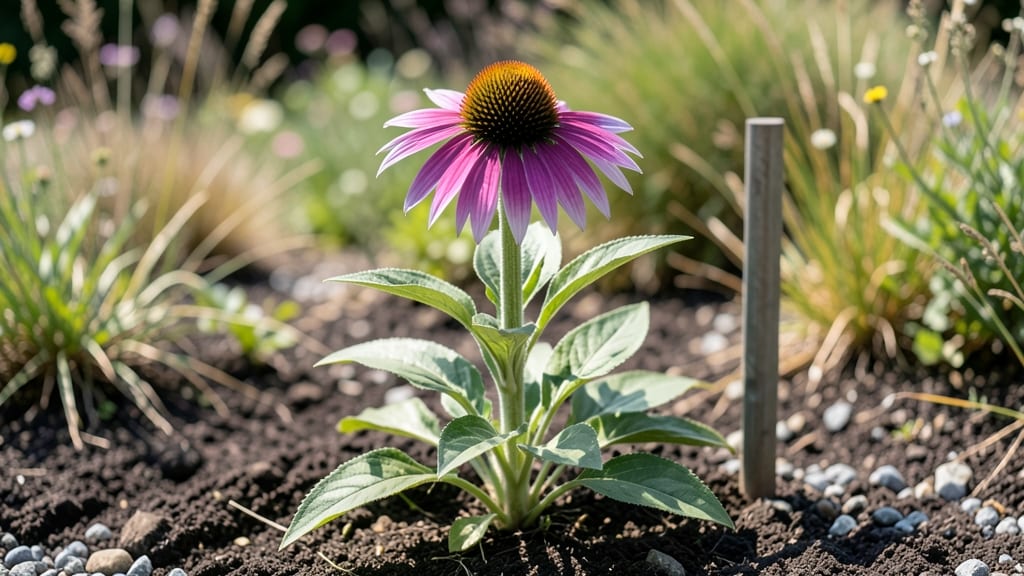
Coneflowers grow between 1 and 5 feet tall, depending on the variety and how long they’ve been in your garden 🌼—a range that makes them perfect for everything from cottage-style borders to bold backdrops.
If you’re planning your garden layout or dreaming of vibrant purple blooms, knowing their mature height is key to placing them perfectly—whether as bold centerpieces or delicate borders.
Most varieties, like the classic Echinacea purpurea, reach 3 to 4 feet by their second year, while dwarf types like 'Little Sky' stay under 2 feet—ideal for small spaces or container gardens.
Below, I’ll break down exact heights by variety, plus tips for controlling growth and spacing them like a pro for maximum impact.


Coneflower height by variety: exact growth ranges for popular species
If you’ve ever wondered, "how tall are coneflowers" when planning your garden, the answer depends entirely on the variety you choose. Echinacea purpurea, the classic purple coneflower, typically reaches 3 to 5 feet tall at maturity, but some cultivars stay compact.
Knowing these height ranges helps you decide whether to plant them as dramatic backdrops or delicate borders.
For example, the White Swan variety grows just as tall as the standard purple, while dwarf varieties like 'Little Sky' or 'Hot Papaya' stay under 2 feet. These differences matter when pairing coneflowers with other plants—like black-eyed Susans or Russian sage—to create layered, eye-catching displays.
The comparison-table below breaks down exact heights for popular coneflower varieties, including their early-season growth and mature size. This will help you visualize how they’ll look in your garden layout.
| Variety | Early-Season Height | Mature Height | Best For |
|---|---|---|---|
| Echinacea purpurea (Purple Coneflower) | 12–18 inches | 3–5 feet | Backdrops, pollinator gardens |
| Echinacea purpurea 'White Swan' | 12–18 inches | 3–5 feet | Cut flowers, cottage gardens |
| Echinacea purpurea 'Little Sky' | 6–10 inches | 1–2 feet | Front borders, containers |
| Echinacea purpurea 'Hot Papaya' | 8–12 inches | 1.5–2.5 feet | Pollinator-friendly borders |
| Echinacea purpurea 'Green Envy' | 10–14 inches | 2–3 feet | Mixed borders, wildlife gardens |
One common misconception is that all coneflowers grow to the same height. In reality, dwarf varieties like 'Little Sky' are perfect for small gardens or container planting, while taller varieties like 'White Swan' make stunning cut flowers or backyard focal points.
Even within the same variety, early-season growth can be deceptive—plants often start small but shoot up quickly once established.
For instance, my 'Hot Papaya' coneflowers began as tiny 6-inch sprouts in spring but reached 2 feet by midsummer. This rapid growth is why spacing matters—planting them 18–24 inches apart gives them room to fill out without crowding.
If you’re working with limited space, opt for dwarf varieties or prune taller ones back by one-third in early summer to encourage bushier growth.
Another factor to consider is soil quality. Well-draining, nutrient-rich soil helps coneflowers reach their full potential height, while poor soil can stunt growth. If your garden has clay-heavy soil, amending it with compost will give your coneflowers the boost they need to thrive.
I’ve seen 'Green Envy' plants grow 1–2 feet taller in amended soil compared to unamended beds.
When planning your garden, think about vertical layers. Taller coneflowers (like 'White Swan') pair beautifully behind shorter perennials such as catmint or lavender, while dwarf varieties work well in rock gardens or window boxes. This layering creates depth and draws the eye through your garden design.
If you’re growing coneflowers for cut flowers, taller varieties like Echinacea purpurea are ideal—their long stems hold up well in bouquets. For pollinator gardens, any variety will attract butterflies and bees, but dwarf types like 'Little Sky' make it easy to create ground-level habitats for beneficial insects.
Remember, height isn’t the only factor—bloom time and color also play a role in garden planning. Most coneflowers flower from mid-summer to fall, providing late-season color when many other perennials have faded. This makes them a low-maintenance choice for extending your garden’s season.
For best results, plant coneflowers in full sun (at least 6 hours daily) and water deeply but infrequently once established. With the right variety and care, your coneflowers will thrive and become a showstopper in your garden. 🌼
Factors that affect coneflower height: sun, soil & spacing secrets
Coneflowers thrive when given the right growing conditions, and their height potential can vary dramatically based on just a few key factors.
Whether you're aiming for towering backdrops or compact borders, understanding how sunlight exposure, soil quality, and plant spacing influence growth will help you achieve your garden vision.
I’ve learned that even the same variety can reach 3 feet in one garden but only 2 feet in another—the difference often comes down to these foundational elements.
Sunlight is the most critical factor for coneflower height. These plants are sun-worshippers, and when they receive 6+ hours of direct sunlight daily, they’ll grow 20-30% taller than those in partial shade.
I’ve noticed my Echinacea purpurea plants in full sun hit 4-5 feet by midsummer, while those in dappled shade max out at 2.5 feet. Even just 4 hours of sunlight can stunt their growth significantly, so placement matters more than you might think.
🌼 Did you know? 🌼
🌱 Coneflower Height Secrets
Full sun (6+ hours): 3-5 ft mature height, 20-30% taller than shaded plants.
Partial shade (3-4 hours): 2-3 ft, with fewer blooms and weaker stems.
Poor soil: Stunted growth (<2 ft) unless amended with compost.
Crowding: Plants compete for nutrients, reducing height by up to 40%.
The soil you plant coneflowers in can either supercharge their growth or leave them struggling. These hardy perennials prefer well-draining, slightly acidic soil (pH 6.0-7.0), but they’ll tolerate a wide range.
I’ve seen dramatic differences when amending clay soil with compost or sand—plants in enriched soil often reach full mature height a year earlier. Conversely, waterlogged or nutrient-poor soil can keep them under 2 feet tall even after multiple growing seasons.
A simple soil test can reveal what’s missing, and adding a balanced fertilizer (5-10-10) in early spring gives them the boost they need.
Proper spacing is another often-overlooked factor that directly impacts height. Coneflowers need 18-24 inches between plants to avoid competition for water and nutrients. When I planted 'White Swan' coneflowers too closely (just 12 inches apart), they grew only 2 feet tall instead of their expected 3-4 feet.
The roots couldn’t spread adequately, leading to weaker stems and smaller blooms. In contrast, giving them ample space allows their taproots to dive deep, accessing more nutrients and water for stronger, taller growth.
If you’re working with limited space, consider dwarf varieties like 'Little Sky,' which thrive at 12-inch spacing and max out at 18 inches tall.
To maximize height in your garden, I recommend combining these three factors: place your coneflowers in full sun**, amend the soil with organic matter, and give them plenty of room to stretch.
For example, my Echinacea 'Hot Papaya' plants in a south-facing border with compost-enriched soil and 24-inch spacing now hit 4.5 feet tall by late summer. If you’re aiming for controlled height, like in a small garden, prioritize partial shade or dwarf varieties while still ensuring good soil and spacing.
Remember, coneflowers are perennials, so their height will increase each year as their root systems expand. With the right conditions, you can turn these plants into stunning vertical accents that draw the eye and attract pollinators.
Start with these adjustments, and you’ll see the difference in just one growing season! 🌻