
Flowers
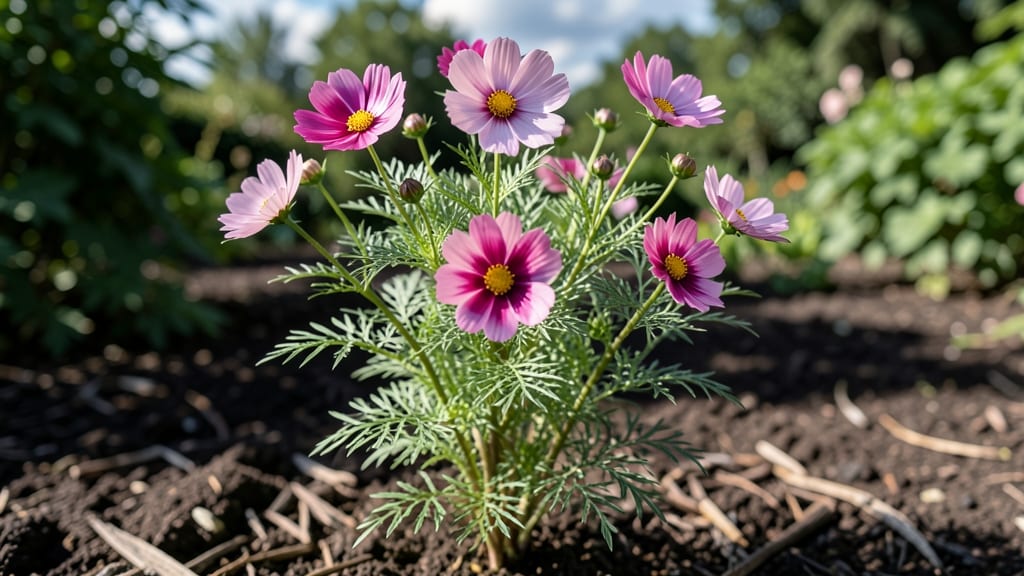
Cosmos flowers grow anywhere from 1 foot to 6 feet tall, depending on the variety and growing conditions you provide — making them a versatile choice for almost any garden space.
If you’re dreaming of adding vibrant, low-maintenance blooms to your garden but aren’t sure how much vertical space to allocate, cosmos flowers might be your perfect match — yet their height varies dramatically by variety.
From delicate dwarf cosmos that top out at just 18 inches to towering 6-foot giants, these cheerful blooms can transform a small container or stretch toward the back of a border.
Below, we’ll break down the height ranges for the most popular types and how to choose the right one for your design.
You’ll also discover how sunlight, soil, and even pruning habits can influence their growth — plus tips for managing taller varieties so they don’t overwhelm your layout.


Cosmos flower height by variety: tall vs. dwarf options for every garden space
If you love the effortless beauty of cosmos flowers but worry about fitting them into your garden, you're in luck—these blooms offer a stunning range of heights to suit every space.
From delicate 1-foot dwarf cosmos perfect for containers to towering 6-foot giants that create dramatic focal points, the right variety can transform any garden corner. The key lies in understanding each variety's mature height and growth habits.
Cosmos flowers are famous for their self-seeding nature and drought tolerance, but their height varies dramatically between species and cultivars. For example, Cosmos bipinnatus typically reaches 3-5 feet, while Cosmos sulphureus varieties can stretch up to 6 feet.
Knowing these differences helps you plan for proper spacing, support needs, and garden layers that make the most of your outdoor space.
Below is a detailed comparison of popular cosmos varieties, including their mature heights, growth habits, and ideal planting scenarios. Whether you have a small balcony, a backyard border, or a cutting garden, there's a cosmos variety that will thrive—and add vertical interest—to your design.
For small spaces, varieties like 'Sensation Mix' or 'Seashells' are ideal—they stay under 2 feet tall and thrive in containers or window boxes. Their compact growth makes them perfect for balconies or patio gardens, where vertical space is limited.
Pair them with trailing plants like petunias or lobelia for a cascading effect.
If you're designing a cutting garden or need tall backdrops, opt for varieties like 'Cosmos sulphureus'
How cosmos flower height affects garden design: spacing, pairings, and support needs
Cosmos flowers bring effortless beauty to any garden, but their height variations can make or break your design. Whether you're working with dwarf cosmos at 1 foot or towering 6-foot giants, strategic placement transforms them from filler plants to focal points.
The key lies in understanding how their mature height influences spacing requirements, companion plantings, and even whether they need structural support.
For example, 'Cosmos bipinnatus' varieties like 'Bright Lights' typically reach 3-5 feet, making them perfect for mid-border planting where they can peek over shorter perennials. Meanwhile, 'Cosmos sulphureus' varieties like 'Sunset' can shoot up to 6 feet, demanding back-of-border placement or container gardening with deep pots.
Your design choices should account for these differences to create a visually balanced, low-maintenance display that thrives all season.
- Dwarf Cosmos (1-2 ft): Ideal for container gardens or front-of-border plantings. Space 6-8 inches apart and pair with salvias or snapdragons for layered color.
- Medium Cosmos (3-4 ft): Perfect for mid-border height. Allow 12-18 inches between plants and combine with coreopsis or black-eyed Susans for texture contrast.
- Tall Cosmos (5-6 ft): Best for back-of-border or cut-flower gardens. Space 2 feet apart and use stakes or trellises for windy areas. Pair with tall grasses like Miscanthus for drama.
When designing with cosmos, think in layers. Place your tallest varieties at the back, medium heights in the middle, and dwarf cosmos in front. This creates a natural progression that draws the eye through your garden.
For example, a 6-foot 'Cosmos sulphureus' planted behind a 3-foot 'Cosmos bipinnatus' and in front of a 1-foot 'Cosmos atrosanguineus' (the deep red variety) adds depth and visual interest without overwhelming your space.
Container gardening opens up even more possibilities for cosmos. Choose deep pots (12+ inches) for taller varieties to accommodate their extensive root systems. Mix 3-foot cosmos with trailing nasturtiums or basil for a spiller-thriller-filler combination.
Just ensure your container has drainage holes—cosmos hate soggy feet—and use a lightweight potting mix to prevent pots from tipping over as they grow.
Don’t overlook the role of structural support for taller cosmos. Varieties like 'Cosmos sulphureus' can become top-heavy in wind or rain, especially if planted in exposed areas. Insert bamboo stakes or lightweight trellis arches at planting time to provide support without damaging stems.
For a more decorative look, try ornamental iron stakes painted to match your garden palette. This not only keeps plants upright but also adds a garden-ready aesthetic to your design.
Finally, consider your seasonal transitions. Cosmos are annuals, so their height and blooming period are limited to one season. Plan for perennial companions that will fill the space after cosmos fade.
For example, pair tall cosmos with Russian sage or lavender, which will continue blooming into fall and winter. This ensures your garden remains visually dynamic year-round while keeping the cosmos' height advantages in play during their peak season.