
How To
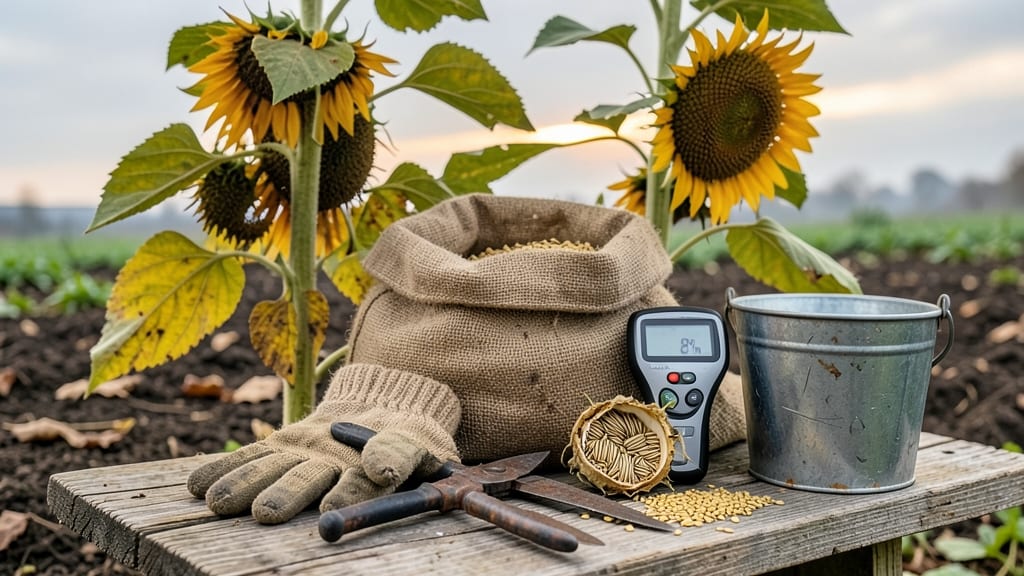
Knowing when sunflower seeds are ready to harvest saves you from bitter, wasted seeds or missed opportunities for next year’s garden.
Picture this: you’ve nurtured your 🌻 sunflowers all summer, watching them tower over your garden, but now you’re staring at a seed head and wondering, "Is it time?" One wrong move and you’ll end up with seeds that either won’t sprout or taste like cardboard.
The good news? There are three foolproof visual cues to tell you exactly when to harvest—no guesswork required.
First, the back of the seed head turns a golden-yellow, signaling the seeds are maturing. Then, the petals drop naturally, and the head feels dry and papery to the touch. But here’s the trick: timing matters.
Harvest too early, and the seeds won’t be fully developed; leave them too long, and they’ll scatter or spoil. I’ll walk you through each stage so you can pull those seeds at the perfect moment—when they’re firm, flavorful, and ready for storage.
Ready to avoid the common mistakes that ruin harvests? You’ll also learn how to test seed maturity with a simple finger press, plus the best weather conditions for harvesting and storing your seeds for planting next spring. Let’s get those sunflowers to work for you twice over!


3 Key visual signs sunflower seeds are ready for harvest
Harvesting sunflower seeds at the right time ensures sweet, flavorful seeds perfect for snacking or bird feeders. The wrong timing leads to bitter, underdeveloped seeds or wasted effort. I’ve learned that three visual cues—flower head color, seed color, and petal drop—are the most reliable indicators.
Paying attention to these signs guarantees a successful harvest every time.
First, the flower head transforms from vibrant yellow to a deep brown hue, signaling maturity. This color change isn’t just aesthetic—it’s a biological shift where the seeds inside reach peak flavor and nutritional value.
Ignoring this visual cue often means harvesting too early, resulting in seeds that are still soft and underdeveloped.
Next, the back of the seed head turns from green to a yellow-brown shade. This is your clearest sign that the seeds are ready. The transition happens gradually, so check your sunflowers daily during the harvest window (typically July to September in most climates).
Skipping this step can lead to seeds that are too dry or have sprouted inside the head.
Finally, the petals will naturally fall off or wilt, leaving the seed head exposed. This isn’t just a sign of aging—it’s nature’s way of telling you the seeds are ready.
If the petals are still attached, the seeds likely need more time to mature. Waiting for this final cue ensures you’re harvesting at the optimal moment.
How to Know When Sunflower Seeds Are Ready to Harvest
- 🌻 1. Flower Head Color: The entire head turns deep brown, not just the edges. This indicates the seeds are fully mature and ready for harvest.
- 🌾 2. Back of Head Turns Yellow-Brown: The center disk (where seeds form) changes from green to yellow-brown. Gently press a seed—if it’s firm and dry, it’s harvest time.
- 🌸💨 3. Petals Fall Off Naturally: The petals wilt and drop on their own, exposing the seed head. If petals are still attached, wait 3-5 more days.
⚠️ Pro Tip: Avoid harvesting in rain or high humidity—moisture can spoil seeds before they dry properly.
One common mistake I see is harvesting based on seed head size alone. A large head doesn’t always mean mature seeds—always check the color and texture first. For example, a green seed head with brown edges is a red flag; it’s not ready yet.
Patience here pays off with seeds that are rich in flavor and nutrition.
Another critical detail is the seed texture. Mature seeds should feel firm and dry to the touch, almost like a hard pea. If they’re soft or squishy, they’re not ready.
This tactile check is especially useful for large sunflower varieties, where visual cues might be harder to spot due to size.
Timing your harvest correctly also depends on your climate and variety. In hot, dry regions, seeds mature faster, while cooler climates may need an extra week or two.
For instance, dwarf varieties like ‘Teddy Bear’ may ripen earlier than tall giants like ‘Russian Giant.’ Always read your seed packet for specific harvest windows.
Once you’ve confirmed all three visual signs, it’s time to harvest. Use a sharp knife or pruners to cut the seed head, leaving a 1-2 inch stem attached. This makes drying easier and prevents seeds from falling out.
Hang the heads upside down in a dry, well-ventilated space (like a garage or shed) for 2-3 weeks to fully dry.
Finally, store your dried seeds in a cool, dark place in an airtight container. Proper storage ensures they stay fresh for up to a year. If you miss the harvest window, seeds left too long on the plant may sprout or attract pests, ruining your crop.
With these visual cues, you’ll never miss the perfect moment again!
How to test sunflower seed maturity before harvesting (the finger test)
While visual cues like seed head color and petal drop are helpful, the most reliable way to test sunflower seed maturity is the finger pressure test. This tactile method ensures you harvest seeds at their peak flavor and viability.
Unlike guessing by appearance, the finger test gives you a precise read on seed readiness that even experienced gardeners swear by.
The finger test works by assessing seed firmness—a key indicator of maturity. When seeds are ready, they’ll feel firm to the touch but still fresh, not hard or shriveled. This method is especially useful for large sunflower varieties where visual cues might be harder to spot from a distance.
It’s quick, requires no tools, and works for both oil-type and confectionery sunflowers.
Step-by-Step Finger Test for Sunflower Seed Maturity
- Step 1: Choose a dry day Test seeds on a sunny, dry morning after dew has evaporated. Moisture can give false readings by making seeds feel softer than they are.
- Step 2: Select 3-5 seeds Pick seeds from the center of the head where they’re most mature. Avoid the outer rows, which often ripen later.
- Step 3: Apply gentle pressure Use your thumb and forefinger to press firmly on a seed. It should yield slightly but not feel mushy or hollow.
- Step 4: Check for firmness If the seed feels solid and dry with no give, it’s ready. If it’s soft or squishy, wait 2-3 more days. If it’s hard and shriveled, you’ve waited too long.
- Step 5: Confirm with the rattle test Gently shake the seed head. If seeds rattle loudly inside, they’re mature. A dull sound means they need more time.
Pro Tip: Test seeds from multiple heads—maturity can vary by 1-2 weeks even within the same plant!
Timing is everything with sunflowers. Harvest seeds when they pass the finger test but before the back of the head turns fully brown. Overripe seeds lose flavor and may crack open, scattering on the ground.
For confectionery varieties, aim to harvest when seeds are firm but still fresh—this ensures they’re sweet and crisp when roasted.
If you’re growing sunflowers for birdseed, you can leave heads on the stalk slightly longer until they’re completely dry and brown. But for eating, always harvest when seeds are firm but not hard.
Store harvested seeds in a cool, dry place for up to 6 months to preserve their quality.
Remember, the finger test is your best friend when it comes to sunflower seed maturity. It’s faster than waiting for visual cues and more accurate than guessing. Once you master this method, you’ll never second-guess your harvest timing again—just imagine biting into perfectly roasted, homegrown sunflower seeds! 🌻